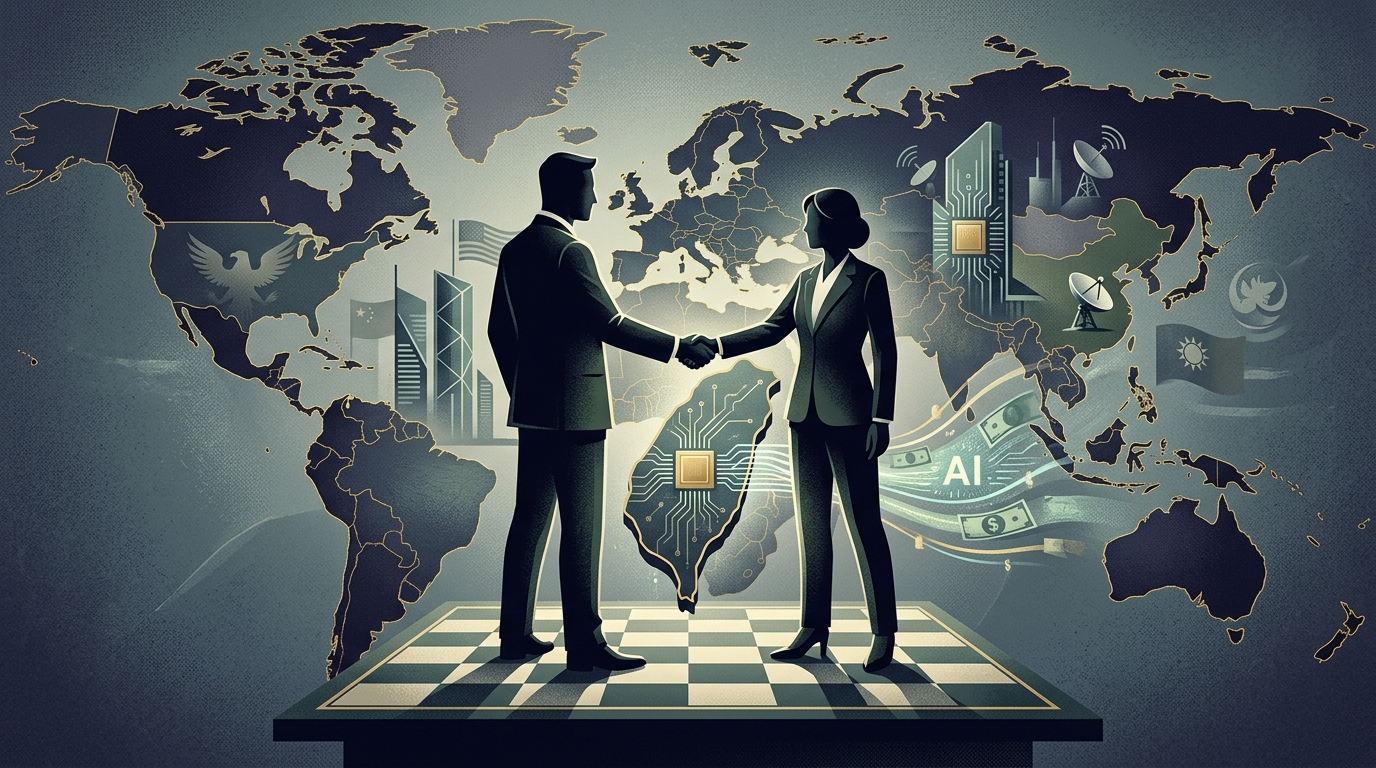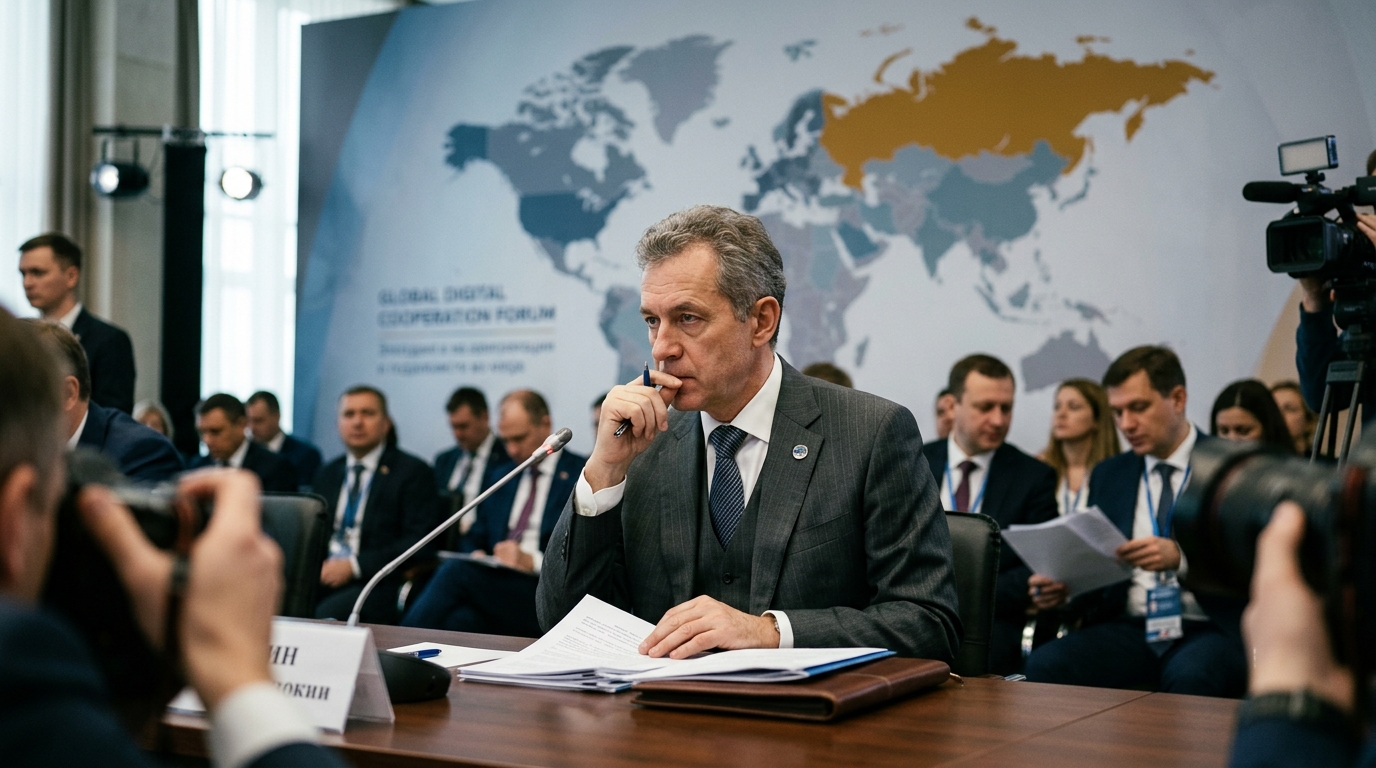
In the contemporary geopolitical landscape, artificial intelligence (AI) is no longer merely a tool for economic growth; it has become a critical front for national sovereignty. For Russia, the concept of 'Sovereign AI' has transformed into an existential necessity as the country attempts to decouple from Western technological dependence while maintaining control over its internal narrative. However, this endeavor comes with a heavy price: the risk of digital isolation that could lead to a new type of 'technological iron curtain.'
The Strategy of Digital Self-Sufficiency
The Russian approach to AI is defined by two primary pillars: security and ideology. Following the imposition of international sanctions and the exodus of Western tech giants like Microsoft and Google, the Kremlin realized that reliance on foreign algorithms constitutes a strategic threat. The response came through the mobilization of domestic players, most notably Sberbank (with GigaChat) and Yandex (with YandexGPT).
These systems were not designed simply to compete with ChatGPT but to function within a strictly controlled environment. 'Sovereign AI' in its Russian iteration means that training data is meticulously filtered to align with 'traditional Russian values,' as defined by the state. This creates a unique challenge: how can one foster an innovative AI when information constraints are so rigid?
Ideological Alignment as a Priority
The International Centre for Defence and Security (ICDS) points out that Russia utilizes AI to ensure 'narrative consistency.' Unlike Western models which, despite criticisms of bias, attempt to maintain a degree of pluralism, Russian models are programmed to avoid 'sensitive' political topics or to echo the official state line. This prevents the introduction of 'liberal Western biases' into domestic digital assistants.
- Restricting access to alternative information sources through algorithmic ranking.
- Reinforcing national sentiment by promoting Russian history and culture in a state-approved manner.
- Real-time automated censorship of content deemed 'extremist' or 'foreign influence.'
This ideological shielding, however, has an inherent flaw. AI thrives on data diversity. By restricting the scope of information, Moscow risks creating models that are 'intelligent' only within the confines of their own ecosystem, yet incapable of competing globally or solving complex scientific problems that require unconventional thinking.
The Cost of Isolation: Hardware and Brain Drain
Beyond software, the greatest hurdle for Russian sovereign AI is hardware. The global semiconductor market is controlled by the West and its allies. Without access to the latest processors from NVIDIA or AMD, training large language models (LLMs) becomes exceptionally expensive and slow. Russia is attempting to bypass sanctions through parallel imports, but this is insufficient to bridge the gap.
"Technological sovereignty without material infrastructure is an illusion that can only be maintained in the short term," market analysts suggest.
Furthermore, the mass exodus of scientists and developers (brain drain) following 2022 has weakened the country's research potential. Many of the top AI experts who previously worked at Yandex or major universities are now abroad, leaving behind a void that state funding cannot easily fill.
Geopolitical Implications: A Fragmented World
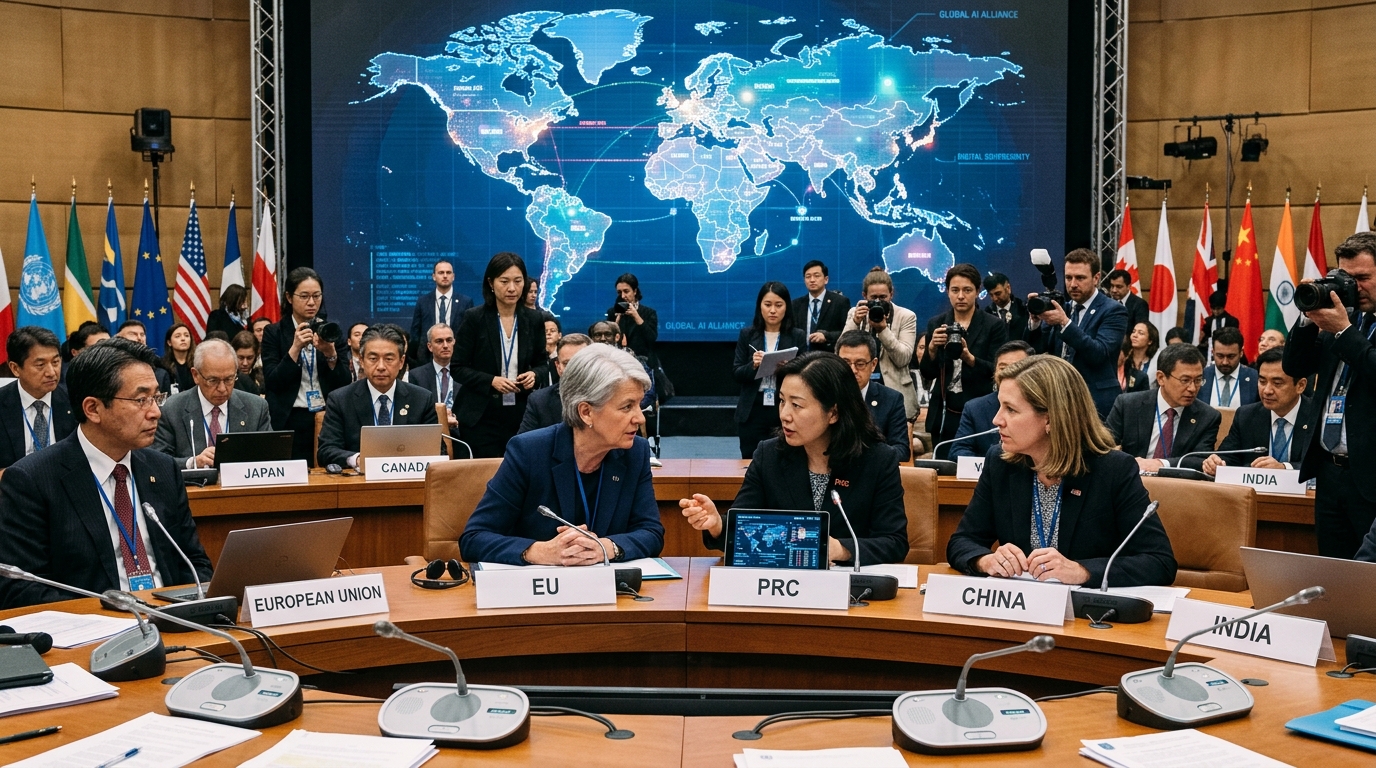
The case of Russian sovereign AI foreshadows a world where technology is no longer global. If China, Russia, and the West develop entirely different AI systems, communication and understanding between these blocs will become even more difficult. AI will function as a mirror reflecting only the reality each government wishes to see.
In conclusion, the Russian strategy is a high-stakes gamble. On one hand, it successfully protects the regime from external informational attacks. On the other, it condemns Russian technology to a secondary position, far from the cutting edge of global innovation. The 'double-edged sword' of sovereignty may ultimately prove to be the tool that severs Russia from the future.