For decades, China's image in the global consciousness was inextricably linked to the "Made in China" label on plastic toys, textiles, and inexpensive footwear. However, a tectonic shift is taking place at the heart of the world's second-largest economy. China no longer wishes to be merely the "world's factory" for low-value-added products; instead, it is rapidly climbing the value chain, aiming to export sophisticated Artificial Intelligence (AI) services, software, and green technology.
The Strategic Transition: From Quantity to Quality
This transition is not accidental but the result of a carefully planned state strategy that began with initiatives like "Made in China 2025." As labor costs in China rise and the population ages, the old model of labor-intensive manufacturing is no longer sustainable. Chinese enterprises, backed by Beijing, are investing billions in Research and Development (R&D) to replace shoe exports with algorithm exports.
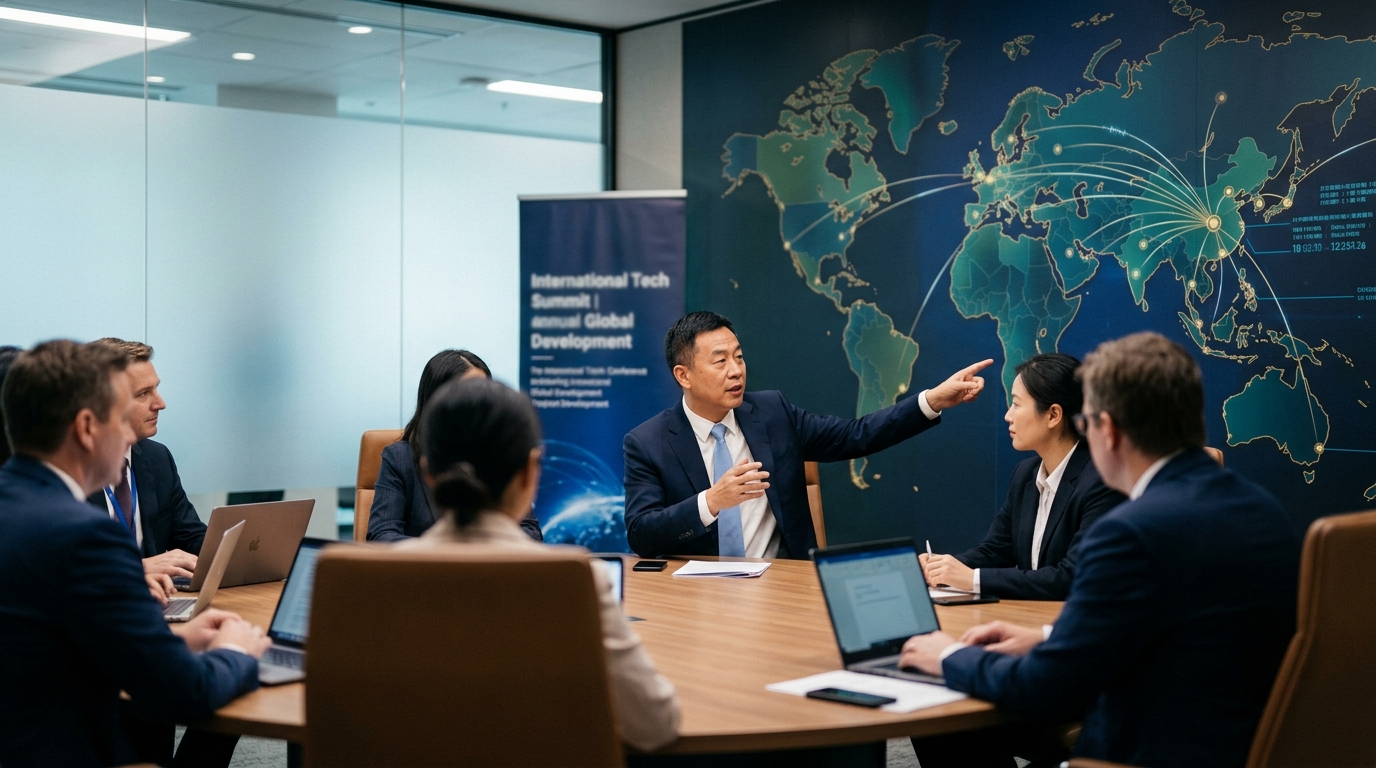
According to recent data, exports of technology-based services have seen a vertical increase. From facial recognition systems and smart logistics platforms to Large Language Models (LLMs) that rival ChatGPT, China is creating a new export ecosystem. This shift is amplified by the need for Chinese companies to find new markets as domestic consumption shows signs of fatigue.
Artificial Intelligence: Beijing's New "Precious Commodity"
Artificial Intelligence is the spearhead of this new era. While the US maintains a lead in hardware (chips), China has proven exceptionally capable in applying AI to real-world scenarios. Chinese companies like Baidu, Alibaba, and Tencent, as well as startups like DeepSeek, are now exporting AI solutions to Southeast Asia, the Middle East, and Africa.
"China is no longer just exporting physical goods, but also its digital infrastructure. Dominance in AI services means controlling the data and standards of the future," industry analysts note.
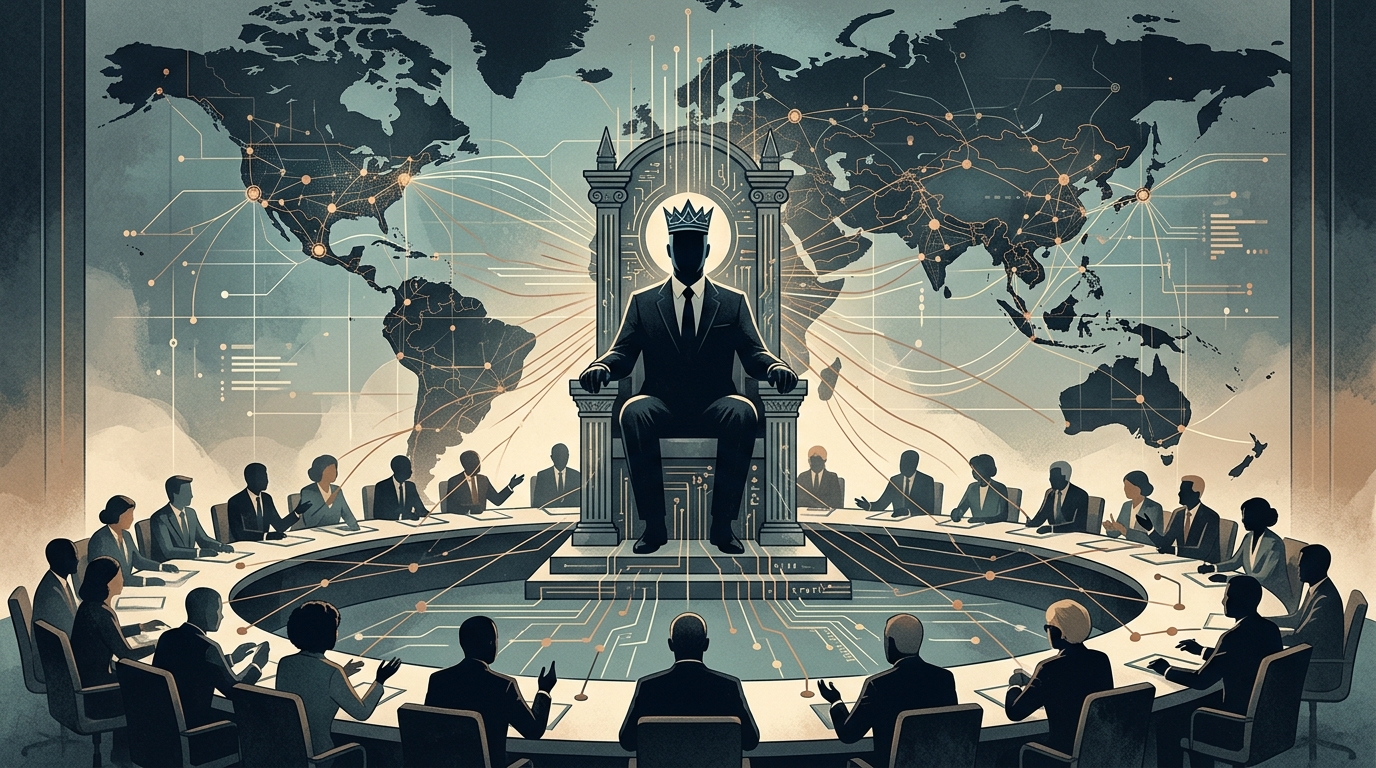
Unlike the West, which often sets strict restrictions and ethical frameworks for AI use, China offers a more "instrumental" approach that finds fertile ground in developing economies hungry for rapid digital transformation. This creates a new form of "digital diplomacy," where technology becomes the means for exercising geopolitical influence.
Geopolitical Challenges and the Tech Cold War
This ascent up the value chain does not come without resistance. The US and its allies are watching China's technological expansion with concern, imposing sanctions and restrictions on high-tech semiconductor exports to Beijing. The goal is clear: to slow Chinese progress in AI and supercomputing.
However, these restrictions seem to be acting as a catalyst for China's autonomy. The need for domestic chip production and the development of software that does not rely on Western standards has become a national priority. The competition is no longer just about trade balances, but about who will define the rules of the 4th Industrial Revolution. The move from shoes to AI is proof that China is preparing for a long-term power confrontation.
The Global South Strategy
A crucial element of the Chinese strategy is the focus on the "Global South." While Western markets become increasingly hostile to Chinese technology due to security and human rights concerns, regions like Latin America and Africa welcome Chinese investment with open arms. Providing cheap, efficient, and easily implementable AI services allows China to lock entire economies into its own technological ecosystem.
In conclusion, China is transforming from an assembler of foreign ideas into an innovator that exports intelligence. This evolution will define the global economic geography of the 21st century, forcing the West to reassess its own industrial and technological strategy.