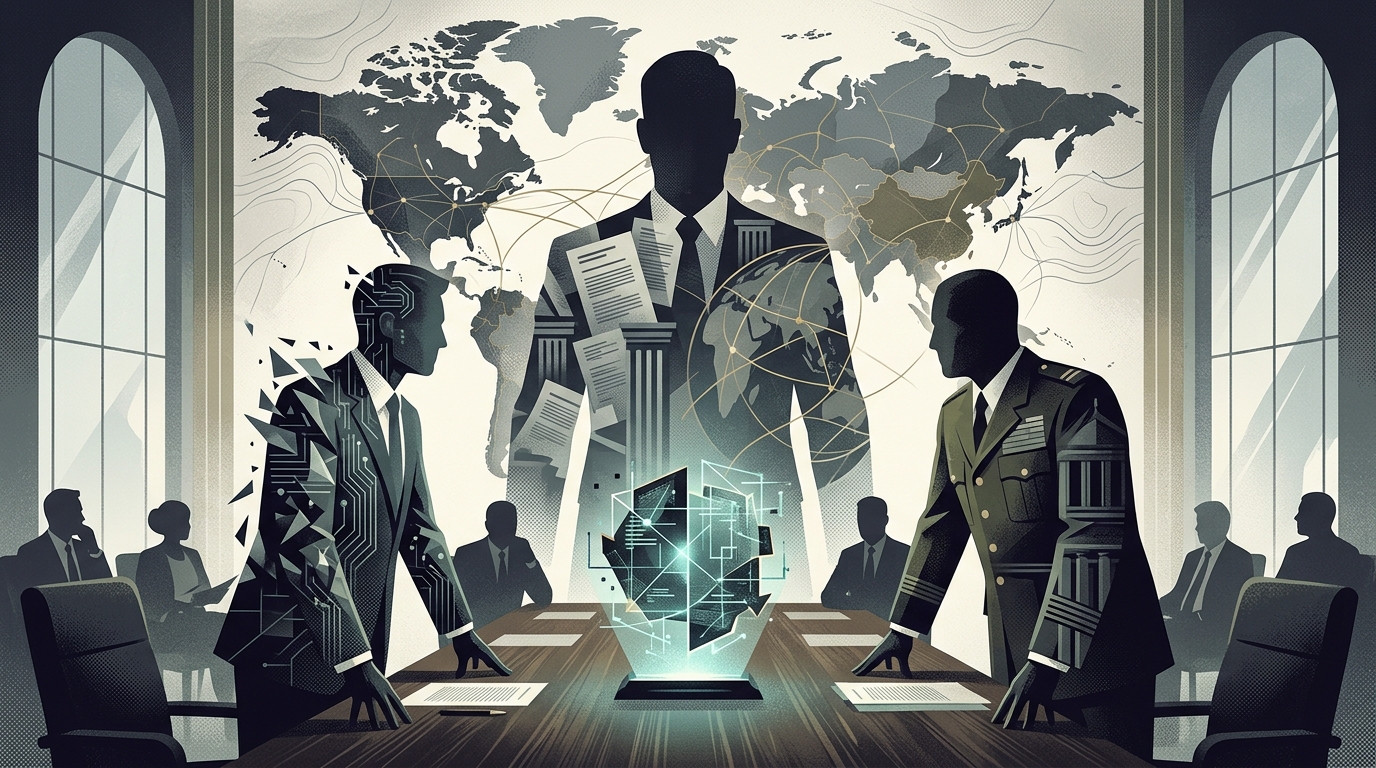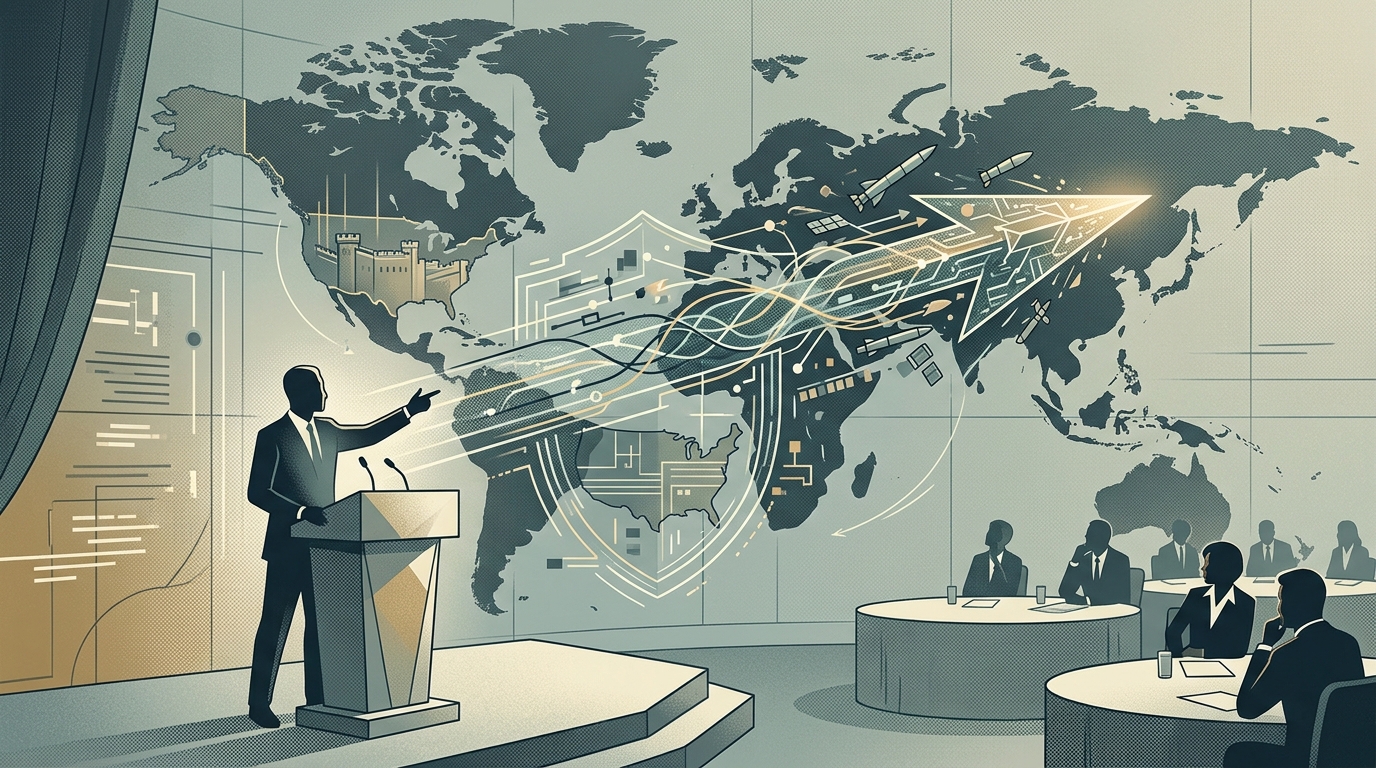
In the global race for Artificial Intelligence (AI) supremacy, public discourse often fixates on the wrong metrics. We count model parameters, FLOPS, and the sheer volume of research papers. However, a recent analysis from the Council on Foreign Relations (CFR) highlights a critical asymmetry: China isn't just trying to build the best AI "brain"; it has already constructed the superior "body" for its deployment. This body is its platform economy—an integrated ecosystem that functions as a high-velocity engine for injecting technology into the real economy.
The Architecture of Chinese Dominance
The distinction between the United States and China in the AI sector can be likened to the difference between an invention lab and a mass-production factory. The U.S., home to OpenAI, Google, and Anthropic, remains the undisputed leader in generating "foundation models." Yet, China holds the advantage in the "last mile." Chinese giants like Tencent, Alibaba, and ByteDance are not merely tech companies; they are the fundamental infrastructure of Chinese society.
Through so-called "super-apps" like WeChat and Alipay, AI is instantaneously embedded into every facet of life: from payments and e-commerce to public administration and healthcare. This creates a self-sustaining feedback loop. Mass adoption generates vast quantities of data, which in turn trains more specialized AI models, which are then returned to the user as more efficient services. In the U.S., the market is fragmented. A user typically employs different apps for banking, social media, and shopping, preventing the horizontal AI integration seen in the East.
State Role and Strategic Direction
The Chinese government recognizes that AI is not just another economic sector but the new "electricity." With the "Next Generation Artificial Intelligence Development Plan," Beijing has set clear targets for integrating AI into manufacturing, agriculture, and logistics. While Washington is embroiled in debates over regulation and AI risks, Beijing utilizes its platform economy as a tool of state power.
- Vertical Integration: Chinese platforms control the entire value chain, allowing for the rapid testing of new algorithms on millions of users within hours.
- High-Quality Data: Due to service consolidation, data is more coherent and useful for training models that solve real-world problems.
- State-Led Investment: Funding is strategically directed toward "applied AI" rather than just theoretical research.
This approach allows China to circumvent the challenges posed by U.S. high-end chip export controls. If you cannot access the world's fastest processors, you can still win by having the most efficient deployment system and the largest data pool for software optimization.
The American Challenge: Searching for a National Engine
The U.S. finds itself in a paradox. It possesses the world's most innovative ecosystem (Silicon Valley) but lacks a central mechanism to diffuse that innovation across the broader economy. The American platform economy is largely oriented toward advertising and consumption, not productivity. While Google and Meta dominate our attention, their AI is often restricted to optimizing ad revenue.
"The battle for AI will not be decided in the laboratories of California, but in the streets of Shenzhen and the factories of Jiangsu, where technology meets daily production," note CFR analysts.
To respond, the U.S. must rethink the relationship between the state and the private sector. The need for an "AI industrial policy" is becoming increasingly urgent. This does not imply state control, but rather the creation of common standards and infrastructures that allow AI to "flow" freely between different sectors, breaking down the silos of today's tech behemoths.
Conclusion: The Geopolitics of Deployment
As of June 2026, the world stands at a turning point. China has demonstrated that its "platform economy" is the ultimate power multiplier for Artificial Intelligence. While the West continues to produce the most impressive demos and the smartest chatbots, the East is building a quiet but formidable engine that weaves intelligence into the fabric of reality. If the U.S. fails to find its own "deployment engine," it risks holding the intellectual property of a revolution that others will ultimately harvest.