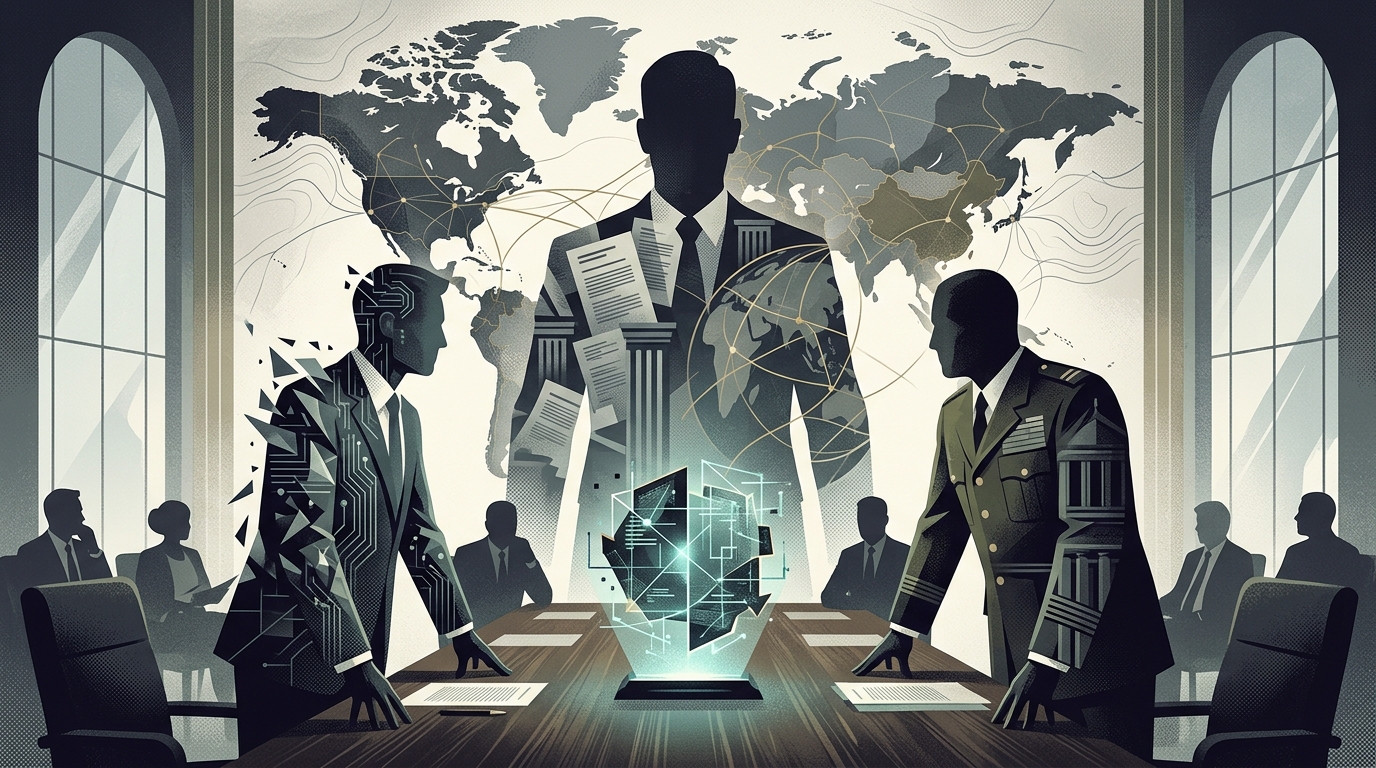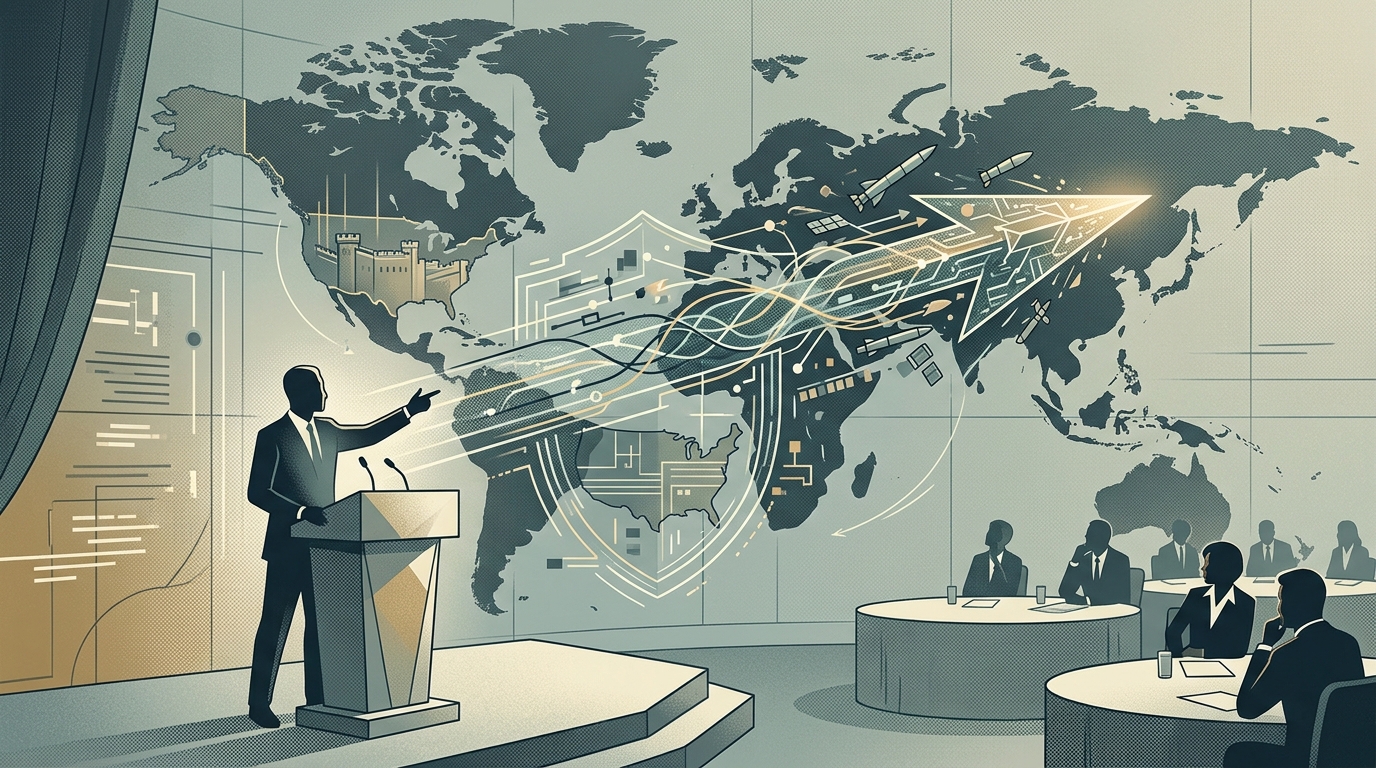
The AI arms race entered a decisive new phase in the spring of 2026. The recent unveiling of DeepSeek V4, a model that redefines the boundaries of computational efficiency, has acted as a catalyst for a structural realignment within the Chinese tech landscape. According to market sources in East Asia, ByteDance (TikTok's parent company) and Alibaba are proceeding with massive orders for Huawei’s Ascend AI processors, signaling a definitive pivot toward domestic self-reliance.
The DeepSeek V4 Catalyst
DeepSeek V4 is not just another Large Language Model (LLM). It represents the culmination of an architectural philosophy that prioritizes performance-per-watt and training flexibility. The model’s ability to achieve GPT-5 level performance at a fraction of the compute power previously required has fundamentally altered the economics for cloud and social media giants. ByteDance, which manages vast data volumes for TikTok and Douyin’s recommendation algorithms, realized that optimizing software on specific hardware is now more critical than mere access to restricted NVIDIA silicon.
This shift is strategic as much as it is technical. With US export controls on advanced semiconductors remaining stringent, reliance on the black market or downgraded versions of Western chips has become unsustainable for the scaling requirements of DeepSeek V4.
Huawei as the New National Champion
Huawei’s Ascend series, particularly the new 910C model, is emerging as the major winner in this scenario. Although US sanctions were intended to cripple Huawei’s manufacturing capabilities, the company has managed—via SMIC—to stabilize production at a scale capable of supplying domestic titans.
- ByteDance is reportedly securing over 40% of Huawei’s production capacity for the next six months.
- Alibaba Cloud is integrating Ascend processors into its new clusters to offer lower training costs to its enterprise clients.
- Baidu and Tencent are following suit, fearing they will be locked out of access to critical hardware.
Geopolitical Implications and the 'Silicon Curtain'
This development highlights the relative failure of efforts to isolate the Chinese AI industry. Instead of halting progress, restrictions have accelerated the creation of a parallel ecosystem. DeepSeek V4 proved that algorithmic innovation can compensate for the hardware gap.
"We no longer need Washington’s permission to define the future of intelligence,"a senior executive from a Chinese semiconductor firm remarked, capturing the mood of growing confidence in Beijing.
For the West, the risk is now twofold: not only is China developing powerful AI, but it is doing so on its own, fully controlled supply chain that the US can no longer influence through sanctions. ByteDance and Alibaba aren't just buying chips; they are purchasing insurance against geopolitical volatility.
Conclusion: A New Era
The rush for Huawei chips following the DeepSeek V4 launch marks the end of the age of innocence for global technology. The market has split in two. On one side, the NVIDIA and CUDA ecosystem; on the other, the Huawei and CANN ecosystem. ByteDance’s success in training next-generation models on domestic hardware will be the ultimate test of whether China can lead the fourth industrial revolution without Western support.