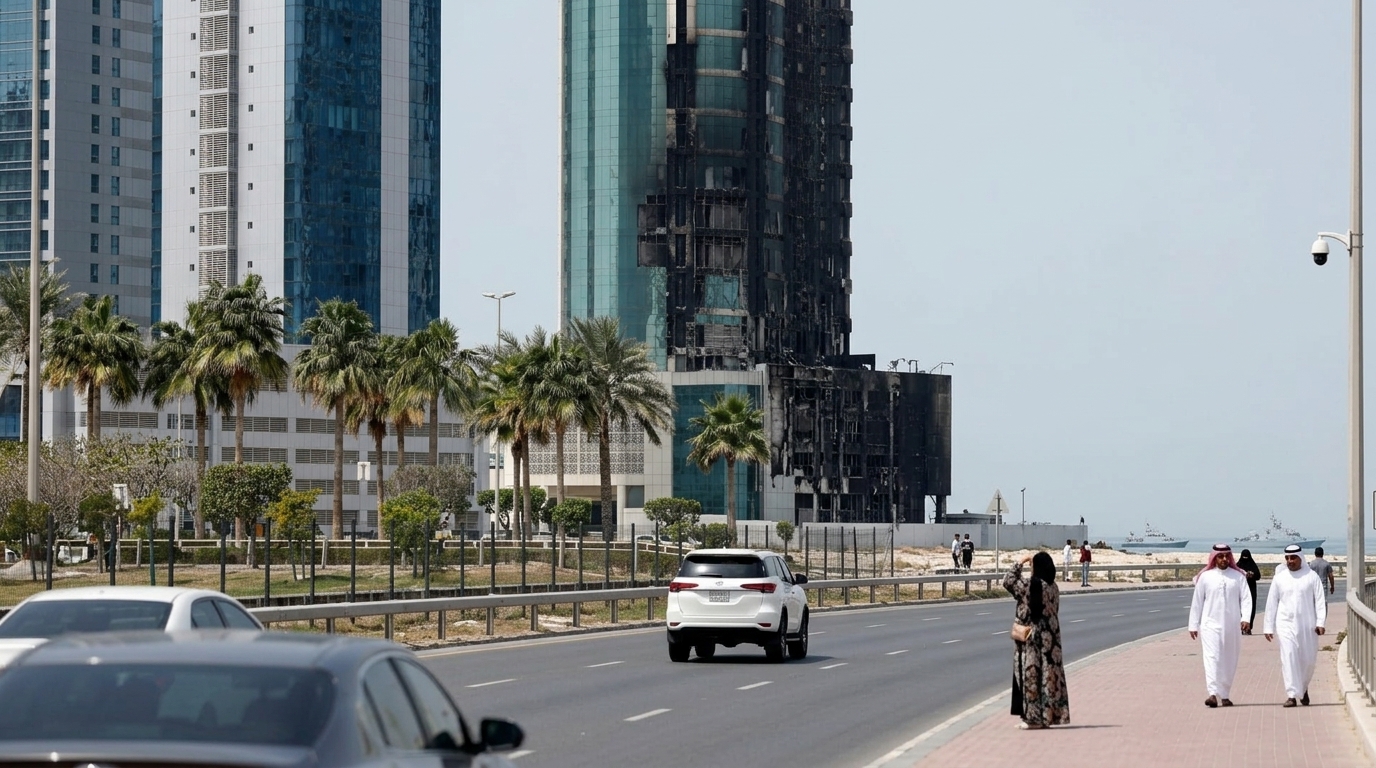
In an era where the geopolitical chessboard of the Middle East increasingly resembles a minefield, Bahrain’s recent announcement regarding the interception of three missiles and several unmanned aerial vehicles (drones) launched by Iran adds a new, alarming chapter to the long-standing confrontation between the two nations. The incident, confirmed by the kingdom’s armed forces, is not merely a military success for air defense but a clear indication that the "shadow war" between Tehran and the Arab Gulf monarchies remains in a phase of dangerous escalation.
Bahrain’s Strategic Weight and Iranian Assertiveness
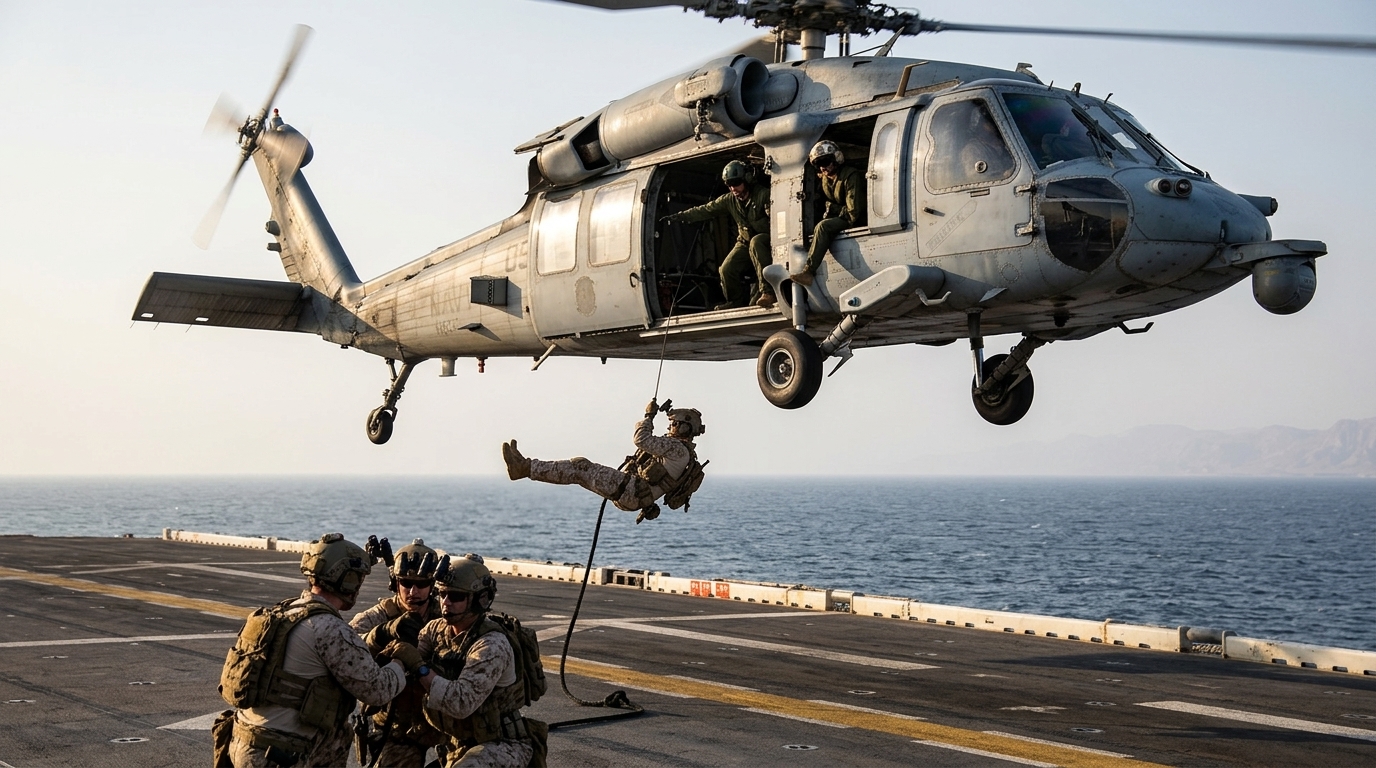
Bahrain, despite its small geographical size, holds a disproportionately large strategic significance for global security. Hosting the headquarters of the U.S. Navy’s 5th Fleet, the island nation serves as the West’s forward outpost in the Persian Gulf. This attack, which Manama characterized as "systematic aggression," aims directly at the heart of regional stability. According to military analysts, the use of combined assets—missiles and drones—suggests an attempt to saturate air defense systems, a tactic that Iran has perfected through its proxies in Yemen and Lebanon.
Tehran, for its part, continues to challenge Bahrain’s sovereignty, often citing historical claims or fueling internal discontent among the Shiite majority against the Sunni Al Khalifa monarchy. However, the direct involvement of Iranian armed forces in this operation marks a shift from the traditional use of proxies to direct confrontation, which sharply increases the risk of a generalized accident or a response that could drag the entire region into conflict.
Technological Superiority and the Role of AI
The successful interception of these threats highlights the progress Gulf states have made in the field of air defense. Bahrain, in close cooperation with the U.S. and recently with Israel under the Abraham Accords, has invested billions in systems such as Patriot missiles and advanced early warning radars. Artificial Intelligence now plays a crucial role in these operations, allowing systems to identify, track, and prioritize targets in fractions of a second, neutralizing the threat before it approaches populated areas or strategic infrastructure.
- Integration of network-centric air defense systems (Integrated Air and Missile Defense - IAMD).
- Use of machine learning algorithms to distinguish between drones and civilian aircraft.
- Strengthening cooperation with the U.S. 5th Fleet for maritime and aerial border surveillance.
Bahrain’s ability to repel such attacks acts as a deterrent, sending the message that the era of asymmetric superiority of Iranian drones may be coming to an end. Nevertheless, the cost of an interception remains disproportionately high compared to the manufacturing cost of a suicide drone, creating a financial challenge for the kingdom’s defense strategy.
Geopolitical Implications and the Path Ahead
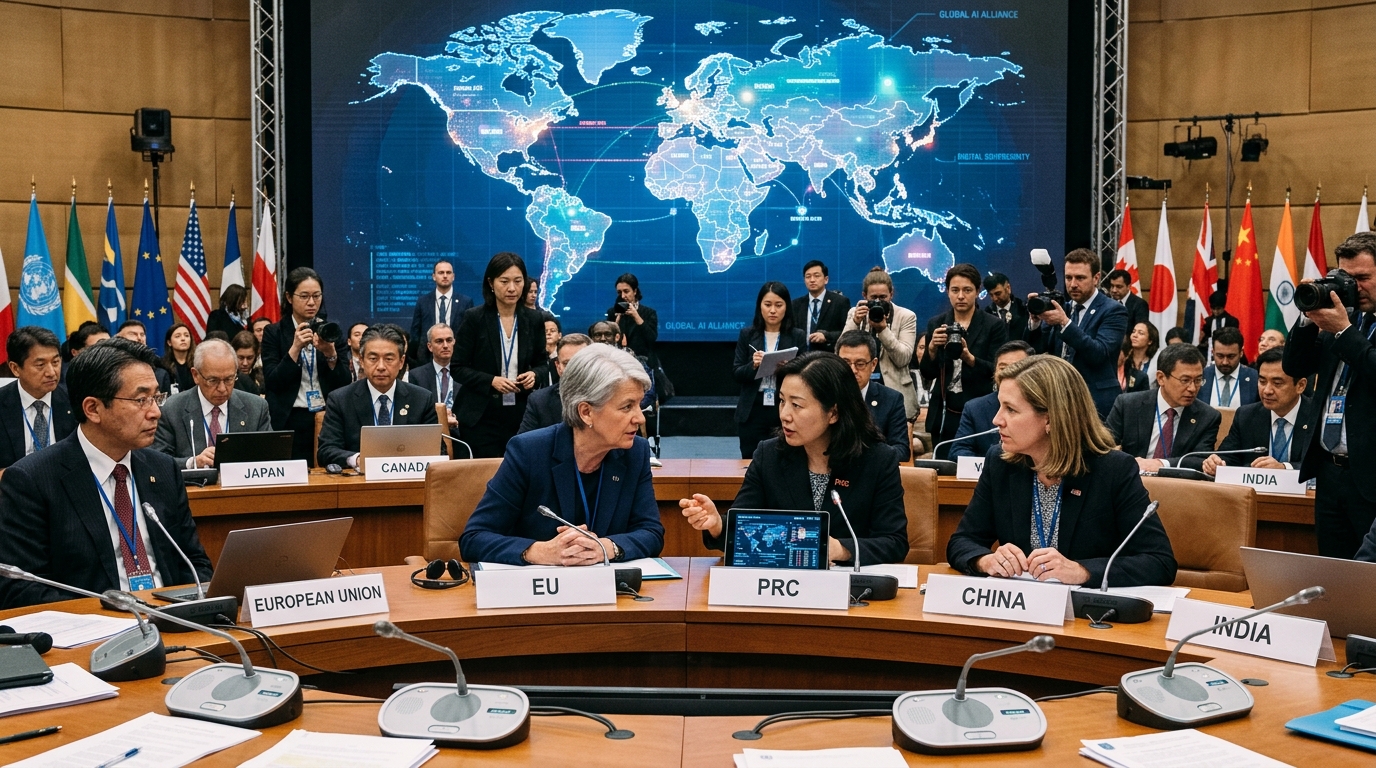
This escalation cannot be viewed independently of the broader negotiations over Iran’s nuclear program and regional realignments. Bahrain’s rapprochement with Israel has infuriated Tehran, which sees a "Zionist presence" on its doorstep. The attack could be interpreted as an attempt by Iran to test the resolve of this alliance and pressure the U.S. to reduce its military footprint in the region.
"The security of the Gulf is indivisible, and any attack against a member of the Gulf Cooperation Council is an attack against all," the official statement reads, emphasizing solidarity among Saudi Arabia, the UAE, and Bahrain.
In conclusion, the interception of missiles over Bahrain serves as a reminder that peace in the Persian Gulf remains a fragile illusion. The international community is called upon to intervene diplomatically before technological confrontation turns into an open conflict with unpredictable consequences for the global economy and energy security. Bahrain proved it can defend itself, but the question remains: for how much longer will defense be enough to prevent a war?