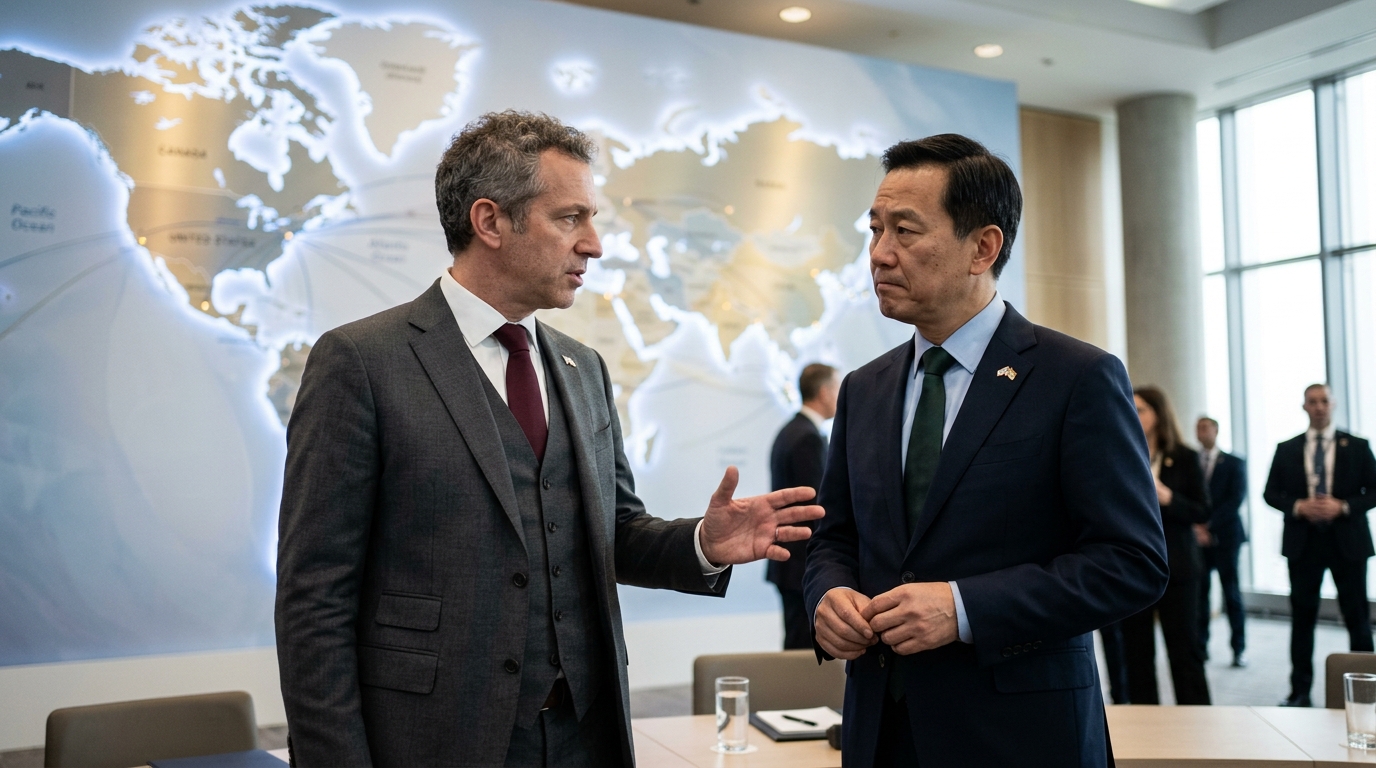
In a move set to further strain the already fragile relations between Silicon Valley and China's tech titans, Anthropic—the US-based AI safety lab backed by Google and Amazon—has leveled serious allegations against Alibaba. According to reports, Anthropic claims the Chinese conglomerate utilized illicit methods to "extract" capabilities from its flagship model, Claude, to bolster its own AI systems.
The Mechanics of Model Distillation as a Weapon
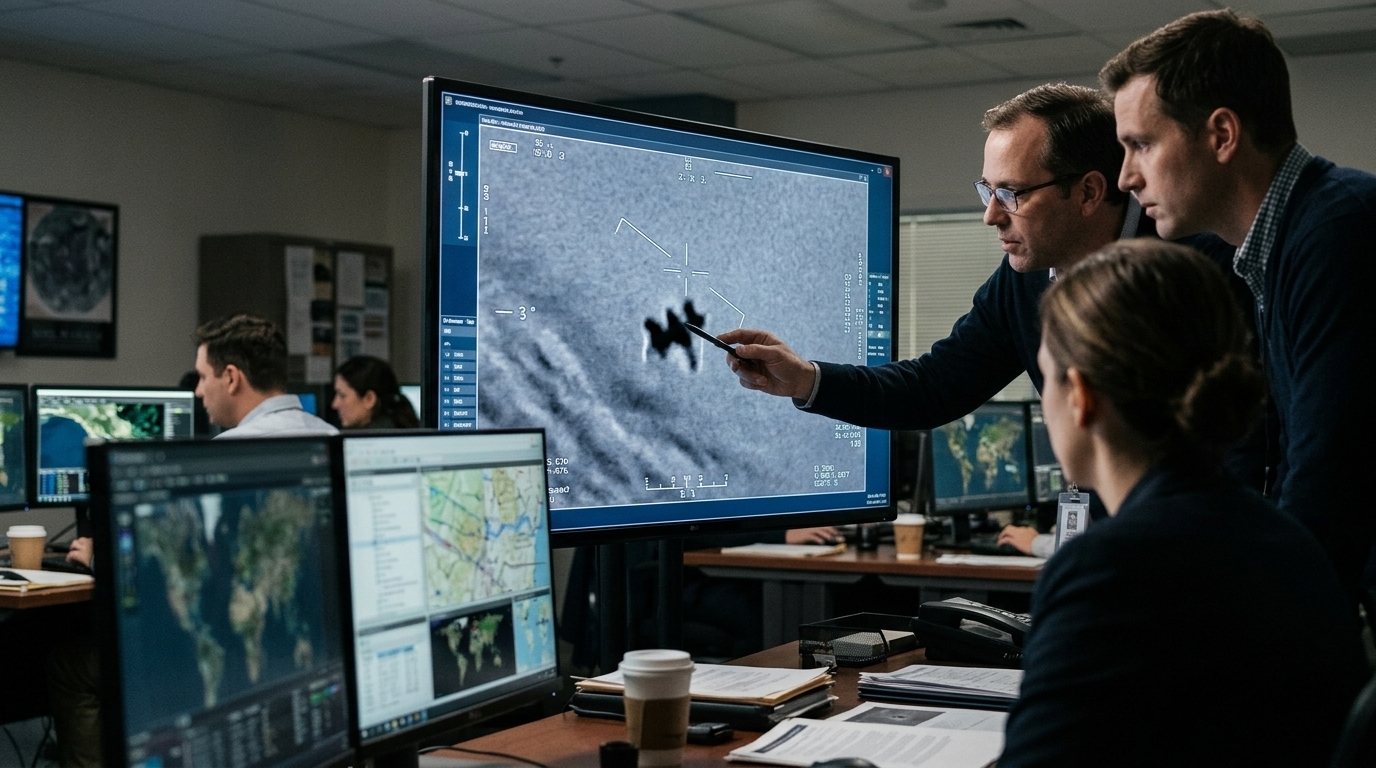
The accusation does not involve a traditional data breach or source code theft, but rather a sophisticated technique known as "model distillation." In this process, a user—in this case, Alibaba—probes a high-performing model (like Claude) with millions of complex queries and uses the resulting outputs as training data for their own, often smaller or less advanced, model. Effectively, the new model "mimics" the logic, reasoning patterns, and knowledge base of the original without the massive computational expense of initial training.
Anthropic asserts that Alibaba's activities are a direct violation of its Terms of Service, which explicitly prohibit using Claude’s outputs to develop competing models. Alibaba, however, appears to be operating within a legal gray zone. While the contractual terms are clear in a US courtroom, enforcing them against a state-backed entity in China presents a near-insurmountable legal and diplomatic challenge.
Geopolitical Implications and the Silicon Curtain
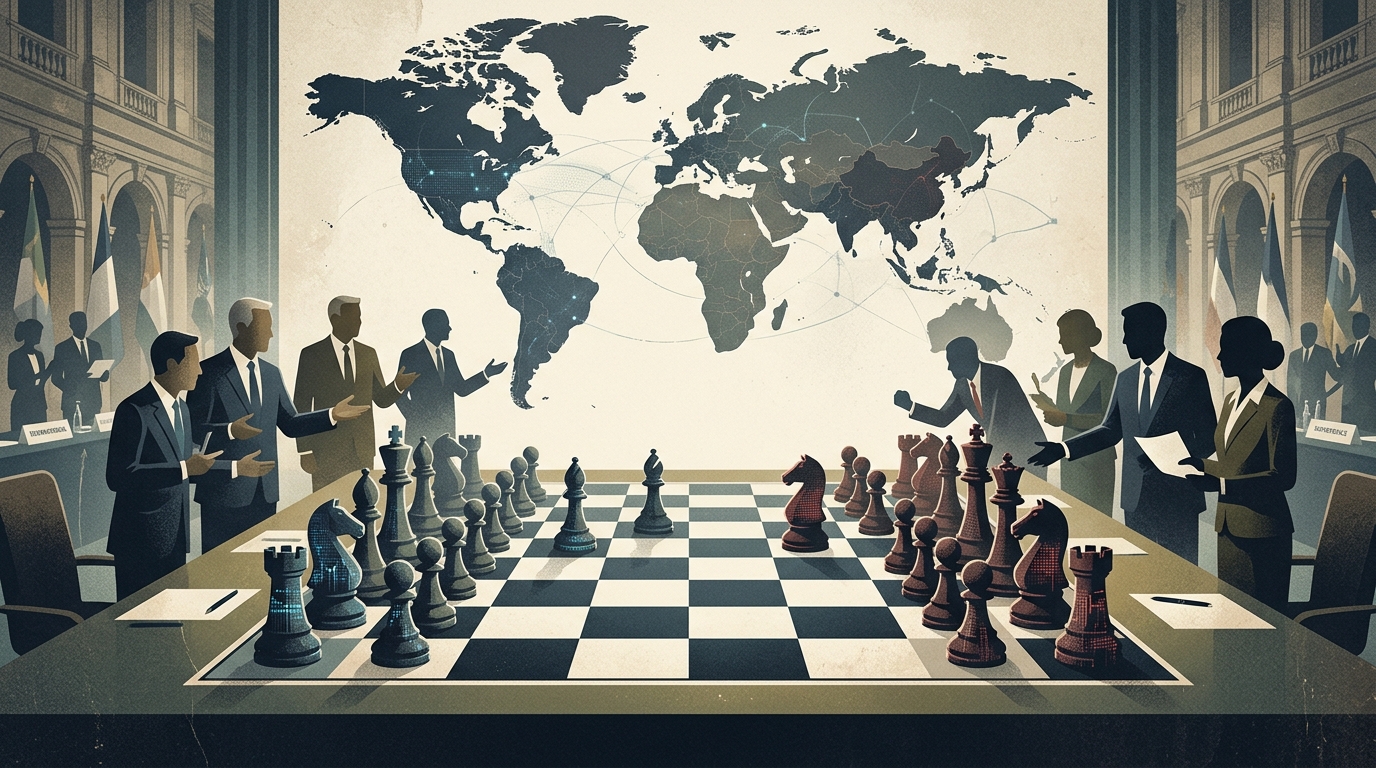
This conflict transcends mere corporate rivalry; it is a manifestation of technological nationalism. The Biden administration has already implemented stringent export controls on high-end semiconductors to China, aiming to decelerate Beijing's AI advancements. If Chinese firms can simply "siphon" the intelligence of American models via APIs, the hardware restrictions lose a significant portion of their strategic efficacy.
Analysts suggest this practice represents the new frontier of industrial espionage. In the 20th century, nations vied for jet engine blueprints; in the 21st, they compete for neural network weights and parameters. Alibaba, facing intense domestic pressure from rivals like Baidu and Tencent, likely viewed this extraction as a strategic shortcut to bridge the widening gap with Western AI capabilities.
Data Ethics and the Future of Global Innovation
The incident raises pivotal questions regarding the future of open access in the AI sector. If leading AI labs fear that providing API access will result in the systematic theft of their intellectual property, they may retreat into isolationism. We could see a shift where access is restricted to "trusted" jurisdictions or where pricing becomes prohibitive for smaller developers. Such a move would stifle global innovation and create silos in AI research.
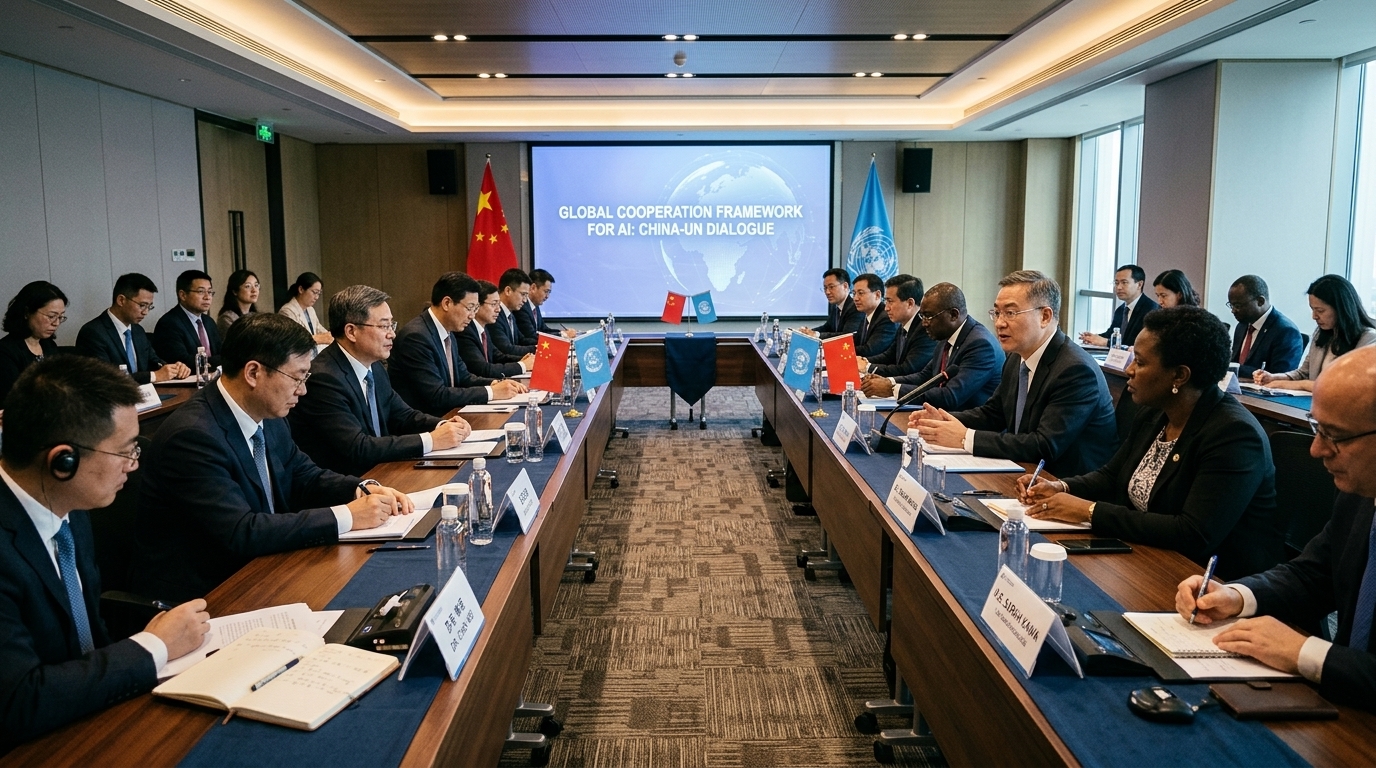
Furthermore, there is the critical issue of AI safety. Anthropic prides itself on being a safety-first organization. If the guardrails embedded within Claude are bypassed or ignored during the distillation process, the resulting Alibaba models could possess high intelligence without the corresponding ethical constraints. The international community is now under pressure to establish norms that protect IP while ensuring the safe proliferation of AI technology.
Conclusion
The Anthropic-Alibaba dispute is likely just the tip of the iceberg. As artificial intelligence becomes the primary determinant of national power, conflicts over model ownership and protection will only intensify. While Silicon Valley may currently hold the lead in capital and talent, Beijing possesses the strategic resolve to close the gap by any means necessary. The battle for the digital brain of the future has moved into a dangerous new phase.