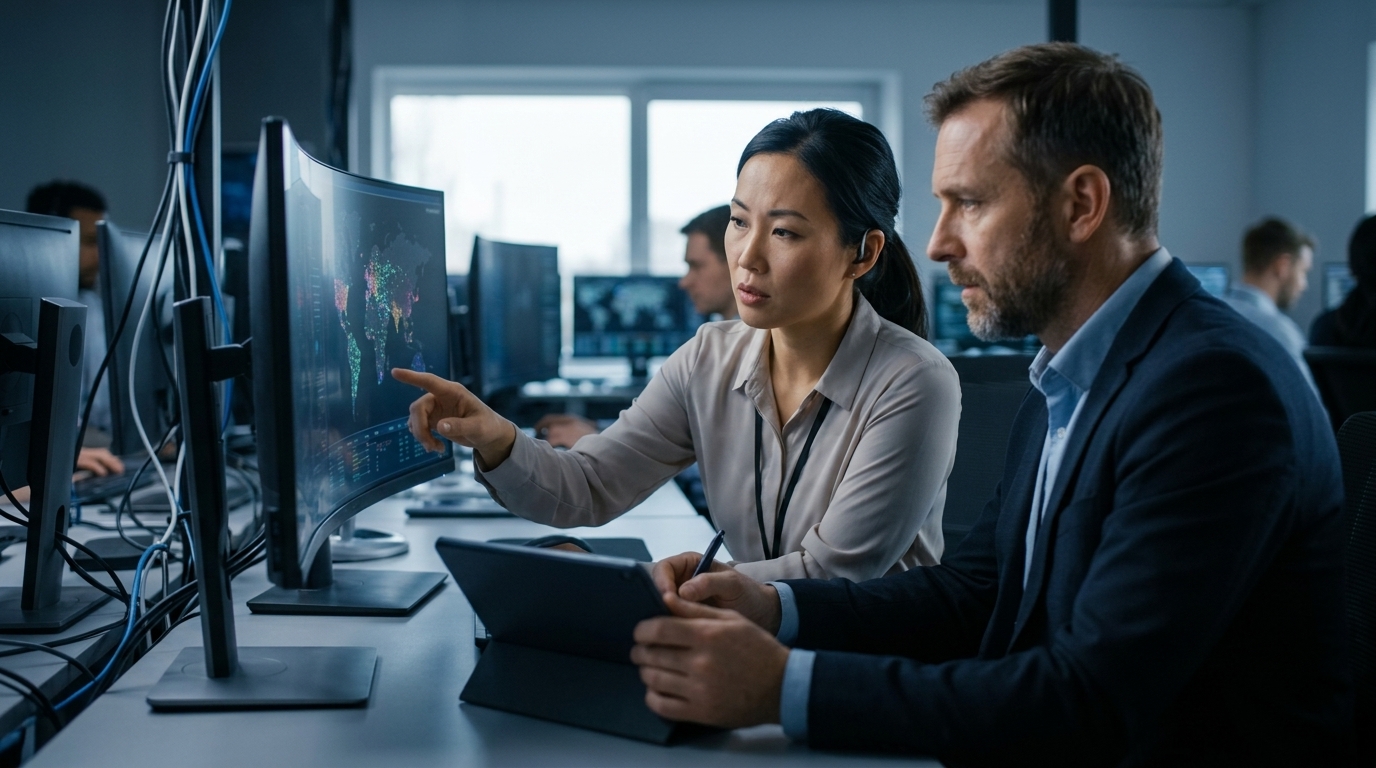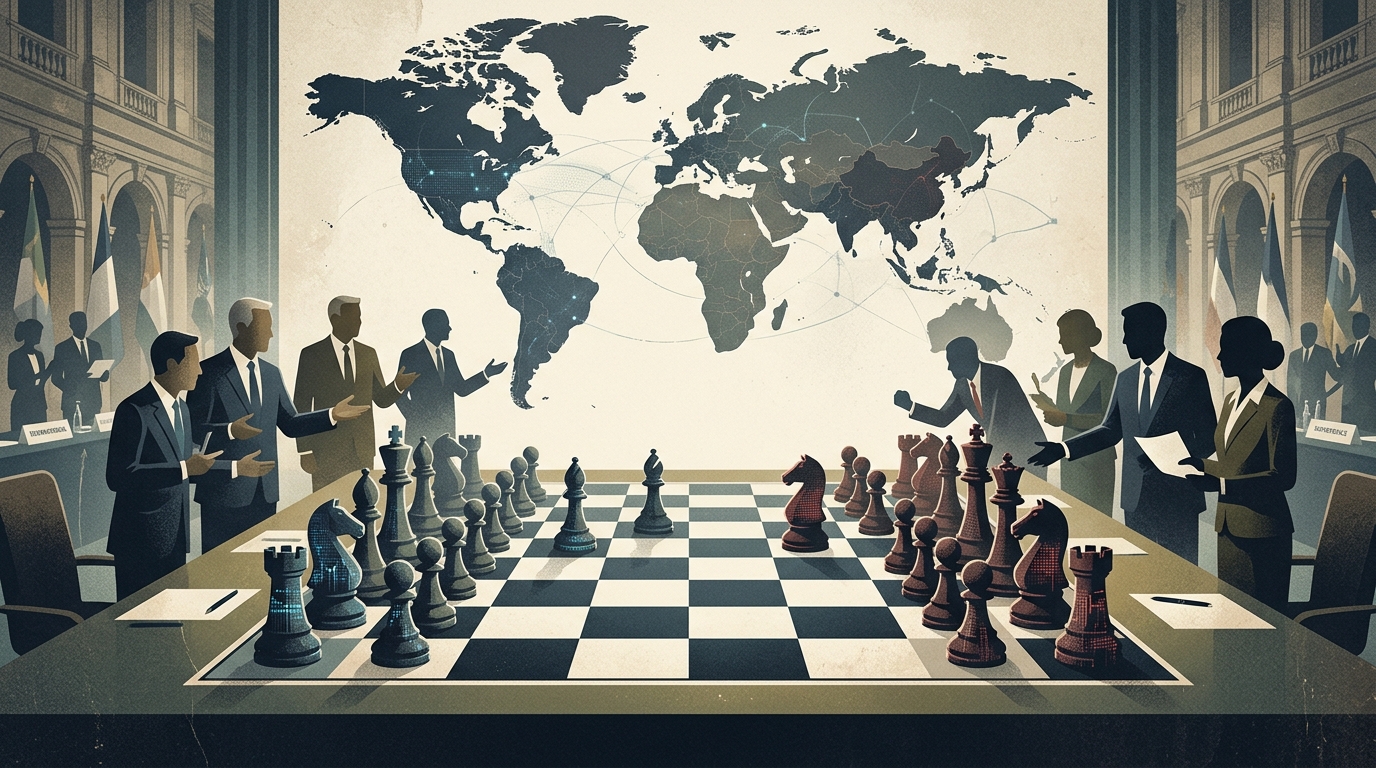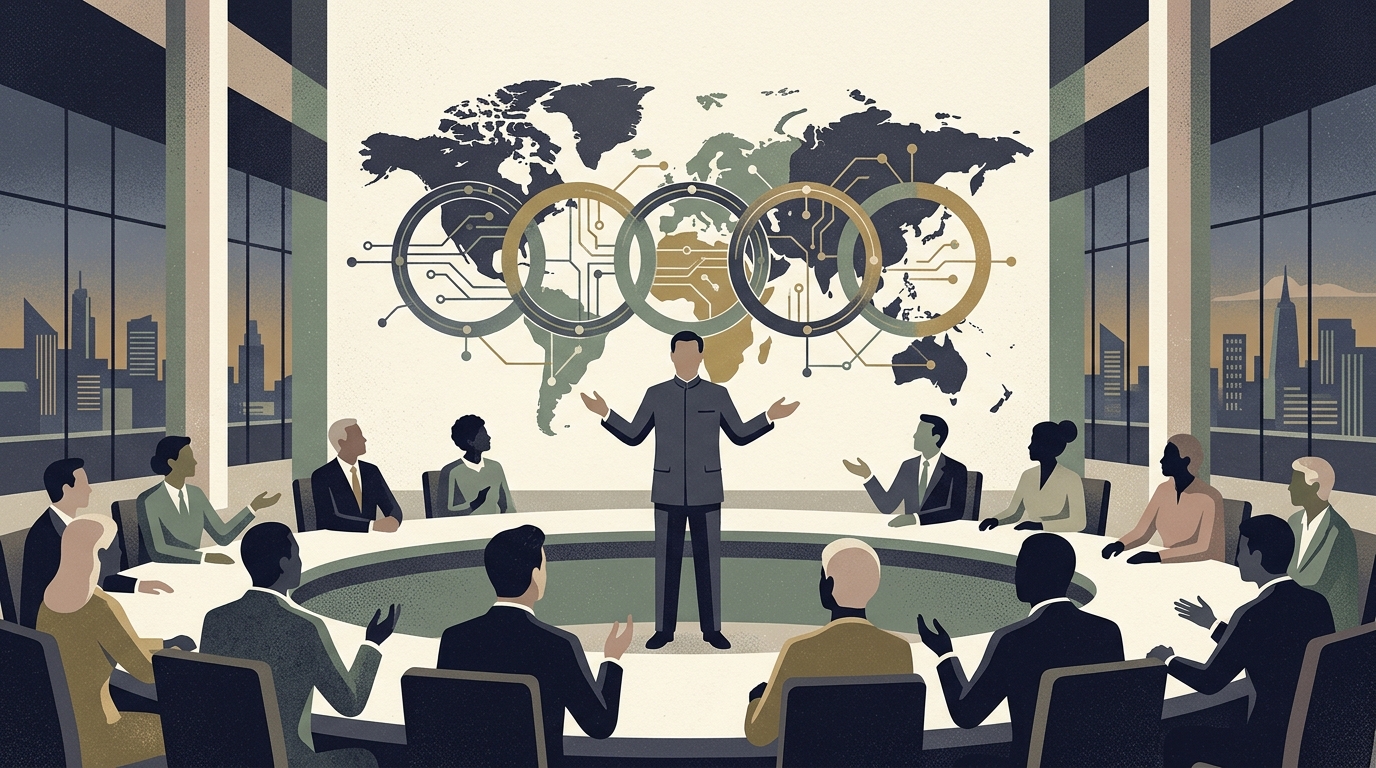
In a move set to escalate the already simmering tensions between the United States and China in the high-tech sector, Anthropic, one of the world's leading artificial intelligence firms, has sent a formal letter to the U.S. Congress. In this document, the company directly accuses Chinese tech giant Alibaba of illicit and unauthorized access to its proprietary AI models, raising serious questions about the effectiveness of current security safeguards and export controls.
Anatomy of a Geopolitical Clash
Anthropic's allegation is not merely a corporate dispute; it represents a pivotal moment for U.S. national security. According to the letter, Alibaba allegedly employed techniques to bypass access restrictions (geofencing) and other methods to tap into the capabilities of the Claude models, which are considered among the most advanced in the world. Anthropic argues that such actions undermine efforts for the "responsible development" of AI and allow foreign competitors to benefit from American innovations without proper licensing.
Alibaba, for its part, operates one of the largest cloud networks globally. The accusation implies that access may have been achieved through intermediate nodes or by exploiting gaps in international cloud infrastructure. The situation is complicated by the fact that AI is now viewed as a "dual-use" technology, with applications ranging from commercial use to cybersecurity and military planning.
The Weight of the Matter: Model Security
One of the most critical points of the confrontation concerns the so-called "model weights." Weights are the numerical parameters that determine how a neural network processes information. If an entity gains access to these, they can essentially "clone" the model's intelligence without having to spend the billions of dollars required for its training. Anthropic implies that Alibaba attempted to extract data that would allow for reverse engineering or the enhancement of its own models using the knowledge accumulated by the American firm.
- Protecting intellectual property in an API-driven environment is exceptionally difficult.
- Chinese firms are under pressure to close the gap with the West due to Nvidia chip restrictions.
- The use of VPNs and shell companies is a common practice to circumvent sanctions.
Congressional Reaction and Legislative Implications
The letter arrived at a time when Congress is considering stricter measures for AI export controls. Many lawmakers see the complaint as a confirmation of their fears that traditional hardware controls are insufficient. They argue that control is needed at the software and cloud access levels. Anthropic is calling on the government to establish stricter protocols for cloud providers hosting advanced models, requiring a "Know Your Customer" (KYC) process similar to that of banks.
"This is not just about code theft; it's about the theft of the 21st century's strategic advantage," said a senior Anthropic executive speaking on condition of anonymity.
In conclusion, the Anthropic vs. Alibaba case marks the beginning of a new phase in technological nationalism. As AI becomes the backbone of the global economy, conflicts over access to it will become increasingly frequent and intense, forcing companies to become the "border guards" of their own digital frontiers.