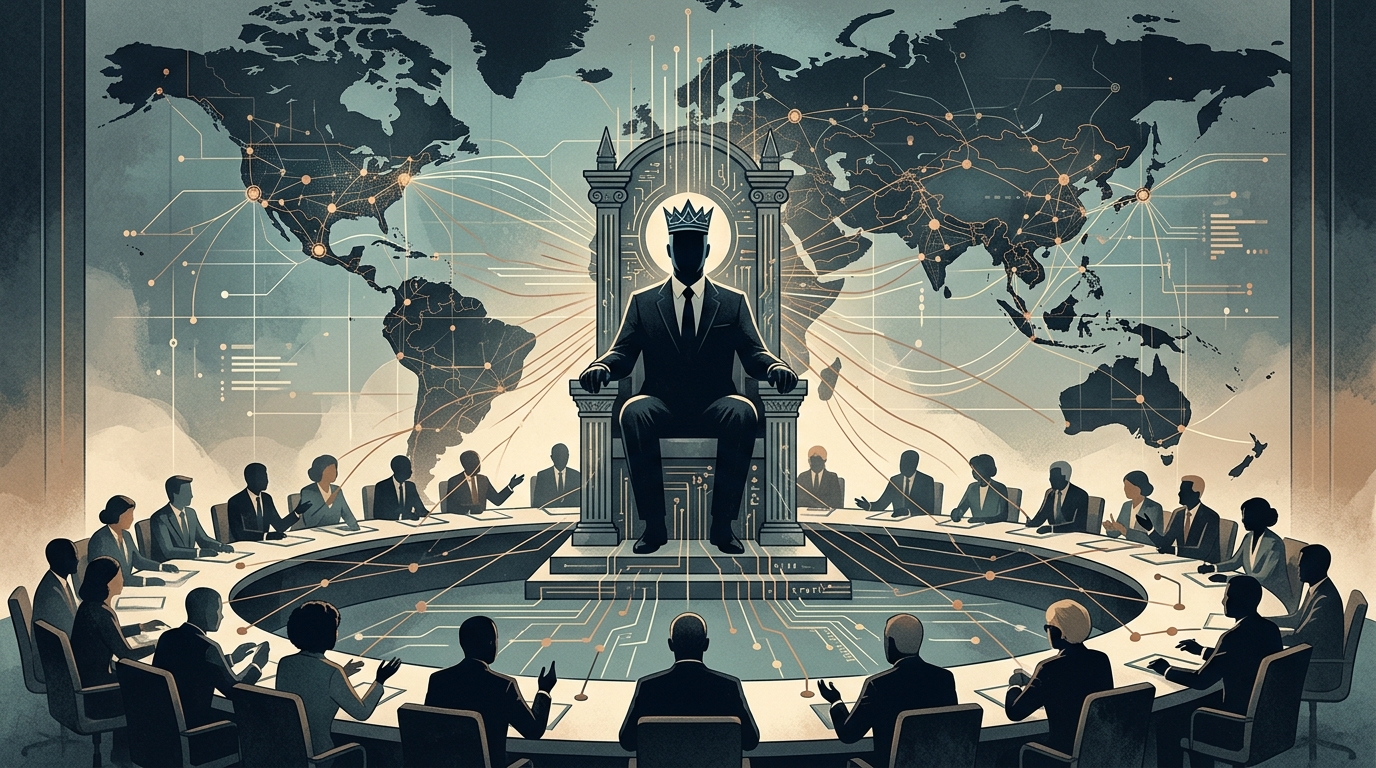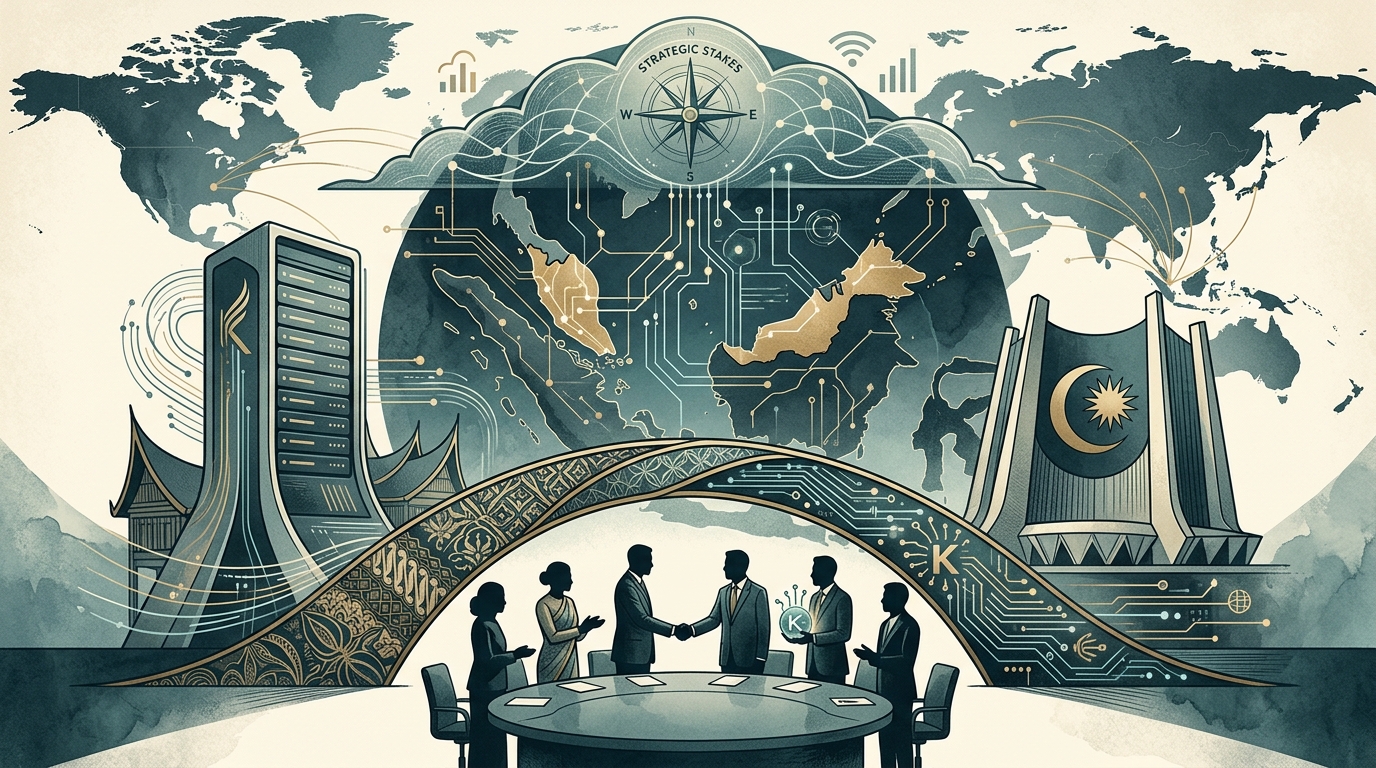
In the heart of Southeast Asia, where digital ambitions intersect with geopolitical balancing acts, Alibaba Cloud has made a move that transcends the boundaries of a simple business competition. The launch of the "KaryaWAN AI Challenge" in Malaysia is not merely a talent search; it is a strategic positioning of the Chinese tech giant in a region rapidly becoming a central battlefield for Artificial Intelligence (AI) supremacy.
The Anatomy of KaryaWAN: More Than a Contest
The name "KaryaWAN" carries potent symbolism, blending the Malay word "Karya" (work/creation) with the suffix "-wan," which denotes an expert or practitioner. The challenge aims to mobilize students, professionals, and startups across Malaysia, granting them access to Alibaba’s cloud infrastructure and its advanced generative AI models, such as Qwen. This initiative is part of Alibaba's broader commitment to train one million individuals in AI across Southeast Asia by 2026.
Participants are tasked with developing solutions that address local challenges, ranging from supply chain optimization to enhancing digital governance. However, the true prize is not the monetary reward but integration into the Alibaba ecosystem. By training Malaysian developers on its proprietary tools, Alibaba ensures that the next generation of the country's digital economy is built upon Chinese technology, creating a long-term competitive advantage over rivals like Microsoft (Azure) and Amazon (AWS).
Malaysia as a Geopolitical Hub
Why Malaysia? The nation stands at a critical juncture in its digital history. Through the MyDIGITAL initiative, the government in Kuala Lumpur seeks to transform the state into a regional leader in the digital economy. Simultaneously, Malaysia maintains a policy of "multi-alignment," avoiding a definitive stance in the US-China technological cold war. This neutrality makes it attractive to both sides. While Google and Microsoft announce billion-dollar investments in local data centers, Alibaba responds with the "soft power" of education and technology transfer.
This move by Alibaba Cloud is a cornerstone of the "Digital Silk Road," Beijing's effort to export its technological standards and infrastructure globally. In Malaysia, Alibaba is not just selling cloud services; it is offering a vision of how AI can be democratized, reducing reliance on Western platforms. This strategy is particularly effective in emerging markets that crave technological autonomy but lack the resources to develop it entirely on their own.
The Talent Stakes and the Lock-in Trap
The shortage of skilled AI personnel is a global reality, but in Southeast Asia, the gap is even more pronounced. Alibaba Cloud, through KaryaWAN, attempts to fill this void, acting as an informal "digital educator." However, analysts warn of the risk of cognitive "vendor lock-in." When a developer learns to build applications exclusively within Alibaba's environment, transitioning to another platform becomes costly and complex.
Furthermore, concerns regarding data security and digital sovereignty persist. As Malaysia integrates AI into critical sectors of its economy, dependence on foreign models—whether Chinese or American—raises questions about who ultimately controls the algorithms making decisions about citizens' daily lives. Alibaba, for its part, emphasizes its open-source orientation (via ModelScope), attempting to dispel notions of closed-loop control.
Conclusion: The New Era of Influence
The KaryaWAN AI Challenge is more than a coding competition. It is a symptom of a new era where geopolitical power is measured not just by territory or armaments, but by the number of developers utilizing your infrastructure. For Malaysia, the challenge is to leverage these investments without becoming a pawn of any superpower. For Alibaba, it is an opportunity to prove that the future of AI is not written solely in Silicon Valley, but also in the classrooms of Kuala Lumpur.