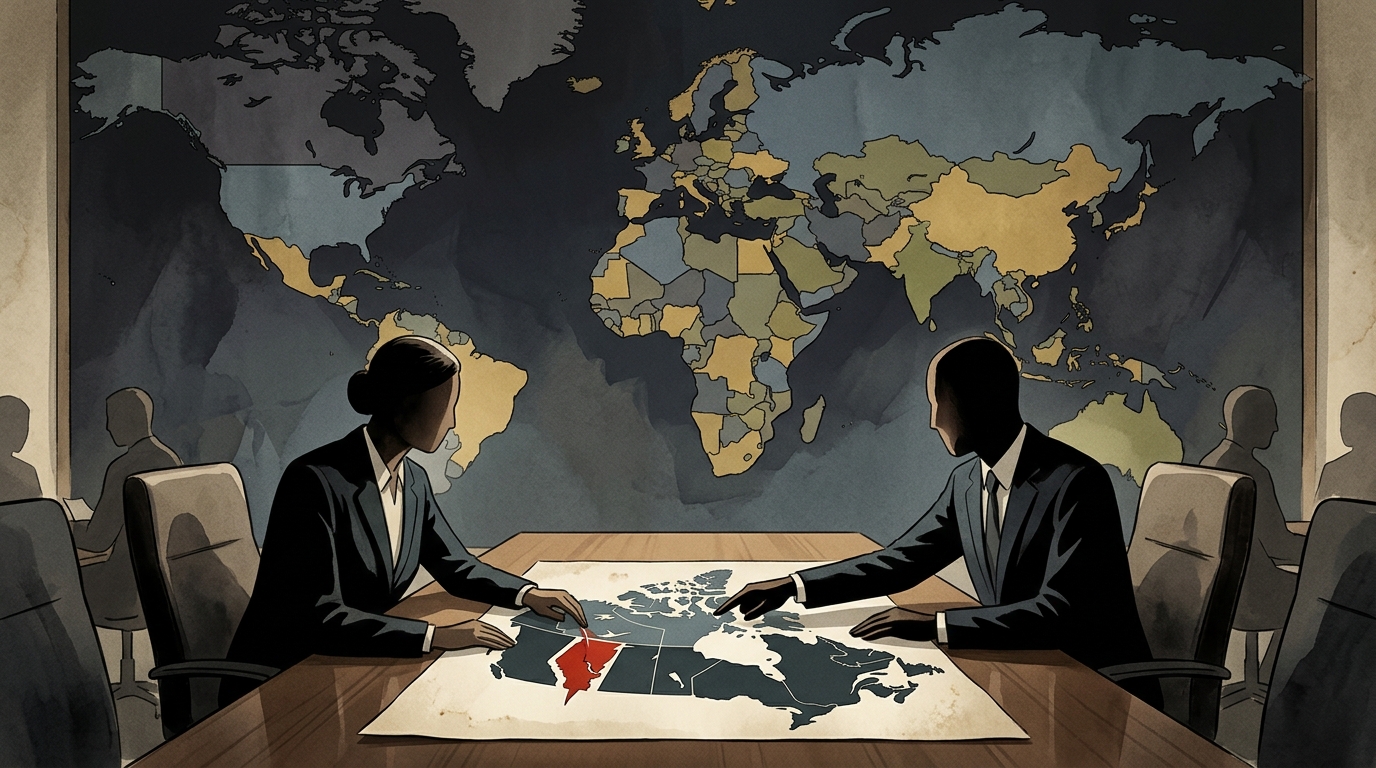
In a historic turn that threatens to redraw the geopolitical map of North America, Alberta, Canada’s economic powerhouse, stands on the brink of an unprecedented constitutional crisis. The announcement of a referendum regarding the province's continued membership in the federation is not merely a political bluff, but the culmination of decades of rising resentment and economic friction with Ottawa.
The Roots of Rage: Economics and Identity
Alberta has long felt treated as Canada’s "ATM." Through the equalization payments system, billions of dollars flow from Alberta’s oil revenues to poorer provinces, primarily Quebec and the Atlantic provinces. Proponents of secession argue that the federal government collects the region's wealth while simultaneously sabotaging its primary industry with stringent environmental regulations and carbon taxes.
The rise of the "Wexit" (Western Exit) movement and the election of Danielle Smith as Premier marked a pivot toward hardline regionalism. The "Alberta Sovereignty Within a United Canada Act" was the first step, granting the province the power to ignore federal laws it deems harmful. Now, the talk of a referendum elevates the conflict to an entirely new level.
- Alberta contributes disproportionately to the federal budget compared to the services it receives.
- Ottawa’s environmental policies are seen as a direct assault on the oil sands sector.
- A sense of political alienation persists, as the population centers of Ontario and Quebec dictate election outcomes.
The Legal Minefield and the Ghost of Quebec
Seceding from Canada is no simple feat. Following the Quebec referendums in 1980 and 1995, the Supreme Court of Canada and the subsequent "Clarity Act" established strict rules. For secession to proceed, a "clear majority" on a "clear question" is required, followed by negotiations with all other provinces and the federal government.
"This isn't just about oil; it’s about respect and the autonomy of a region that feels its voice is being drowned out by the Eastern elite," state officials from the United Conservative Party (UCP).
However, critics warn that an independent Alberta would be a landlocked nation, dependent on Canada or the U.S. to export its resources. Furthermore, the rights of First Nations pose a massive hurdle, as their treaties were signed with the Crown (Canada as a whole), not the province. Many Indigenous leaders have already declared they will not allow their lands to be part of a secessionist movement.
Geopolitical and Economic Implications
If Alberta moves toward a binding referendum, markets will react violently. The Canadian dollar would face immense pressure, and uncertainty could lead to capital flight from Calgary and Edmonton. Geopolitically, a fractured Canada would weaken the G7’s standing and create a new, potentially volatile actor in the heart of North America.
Ottawa, under this pressure, might be forced to make concessions that alter the very nature of Canadian federalism, devolving more power to the provinces. Yet, this risks opening a "Pandora’s box" for similar demands from Quebec or British Columbia. Alberta is not just asking for independence; it is demanding a new Canada, or no Canada at all.