The history of humanity has been marked by technological revolutions that, while promising global progress, often ended up widening existing disparities. Today, as Artificial Intelligence (AI) radically transforms production, science, and governance, we face a new, deeper "digital divide." It is no longer just about internet access, but about access to compute power, algorithms, and the massive datasets required to train state-of-the-art models.
The Concentration of Power and the Monopoly of Knowledge
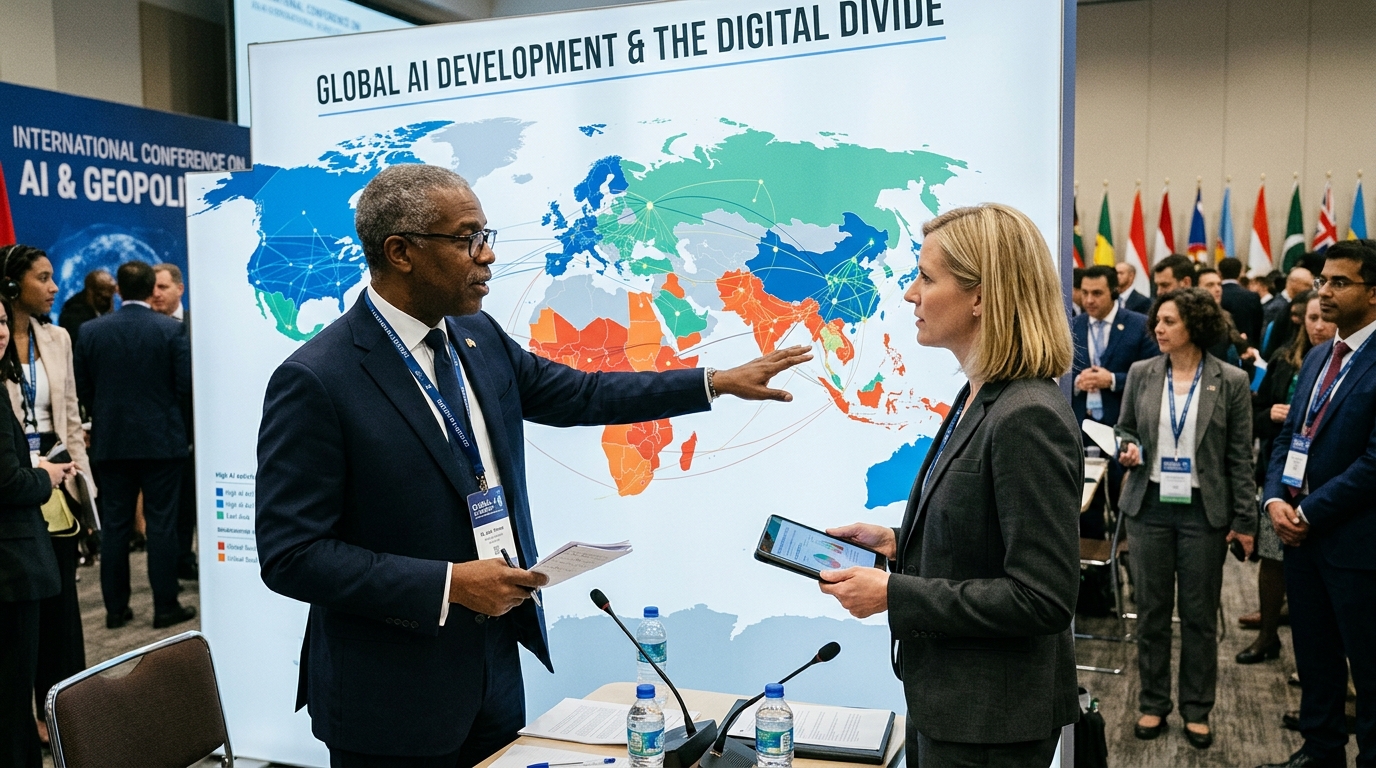
The current AI landscape is dominated by a few key players, primarily in the United States and China. This bipolar structure creates a new form of dependency for the rest of the world. Developing nations, and even much of Europe, risk becoming mere "consumers" of technology, lacking the ability to develop their own systems that reflect their unique cultural and linguistic nuances.
Compute power has become the new "oil" of the digital age. The shortage of advanced semiconductors and the astronomical costs required to build data centers make it prohibitive for new players to enter the "foundation AI" market. Consequently, countries in the Global South remain on the sidelines, seeing their productivity lag behind states that hold the keys to the technology.
Data and Digital Colonialism
One of the most concerning phenomena is what many analysts call "digital colonialism." Large language models are often trained on data sourced from across the globe, yet the benefits and control of these models remain concentrated in Silicon Valley or Beijing. Furthermore, the labor required for data cleaning and labeling is often outsourced to workers in low-wage countries who are paid pittance, without having access to the fruits of the technology they help create.
"If Artificial Intelligence is not democratized at the infrastructure level, we risk cementing a global hierarchy that will be impossible to overturn for decades to come," geopolitical experts warn.
The Challenge of Education and Brain Drain
The divide is not only economic or technical but also human. There is a massive "brain drain" from less developed countries toward the major tech hubs of the West. The best data scientists and AI engineers seek resources and salaries that only tech giants can provide. This deprives emerging economies of the human capital necessary to build their own digital future.
- Limited access to specialized hardware (GPUs).
- Lack of domestic investment in research and development.
- Uneven distribution of benefits in the labor market.
- Risk of cultural homogenization through algorithms.
Toward an Equitable Distribution of Technology?
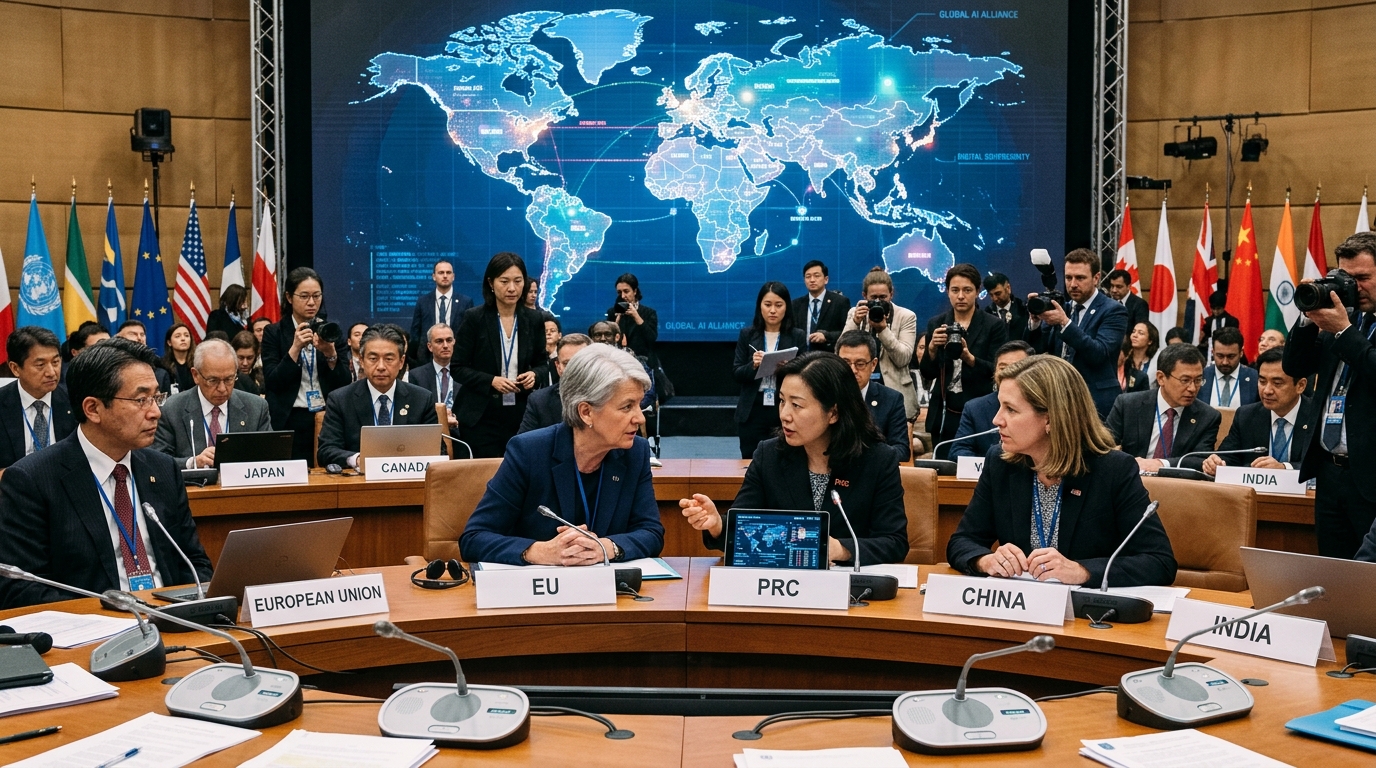
To bridge the gap, international initiatives are needed that transcend narrow national interests. The UN and other international organizations are discussing the creation of a framework for "Sovereign AI," where every state would have the opportunity to possess its own infrastructure. Promoting open-source software is also a critical path, allowing countries with fewer resources to build on existing knowledge without having to start from scratch.
However, the road is steep. The geopolitical competition between the US and China often weaponizes technology, imposing export restrictions and creating "digital walls." The need for global AI governance that protects the vulnerable is more urgent than ever if we want AI to be a factor of convergence rather than further division.