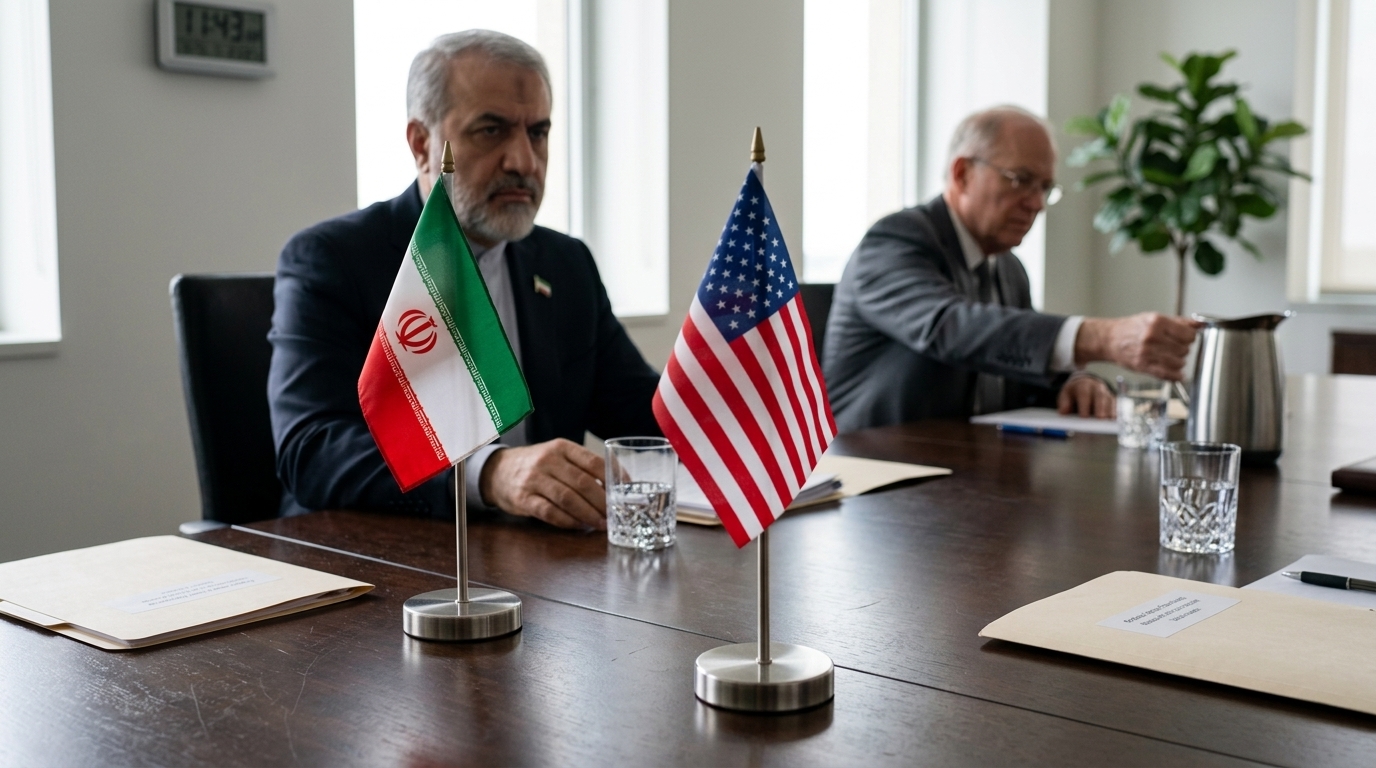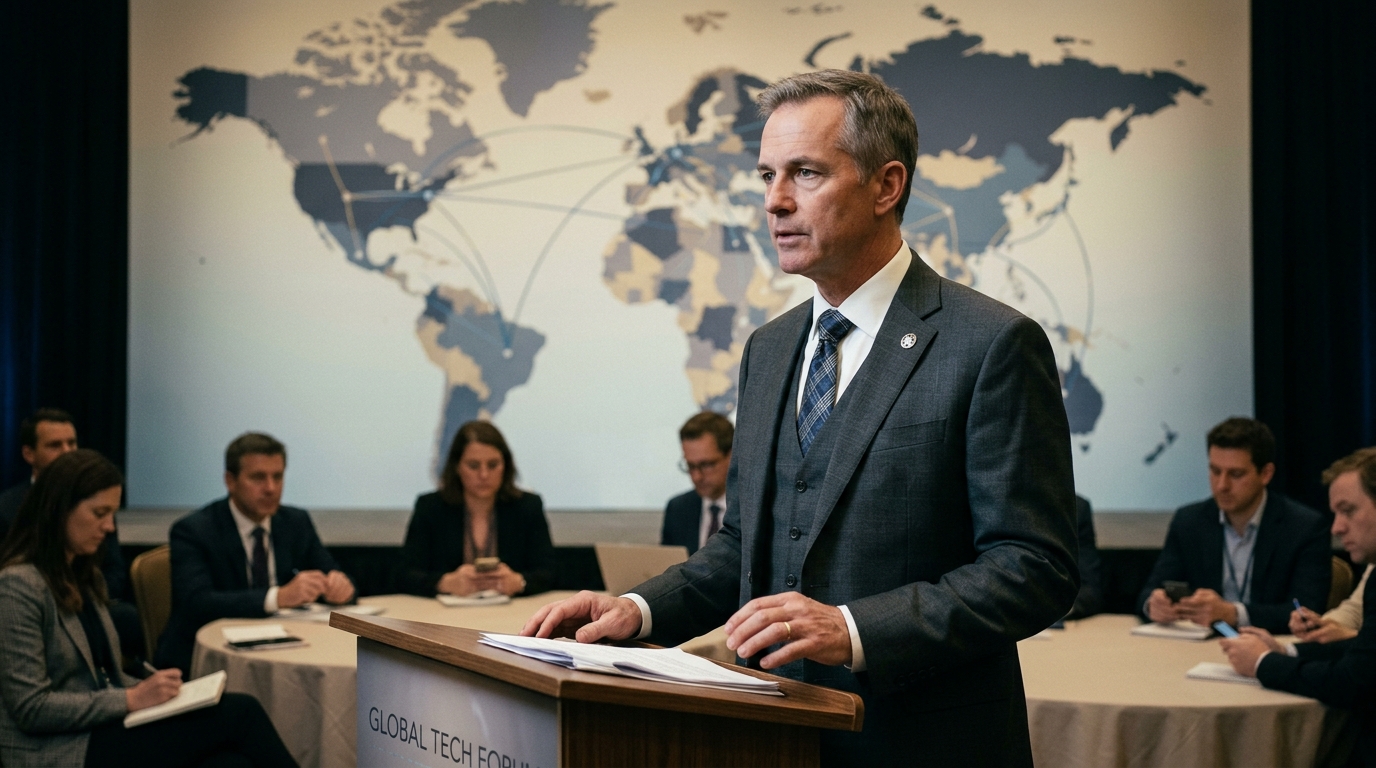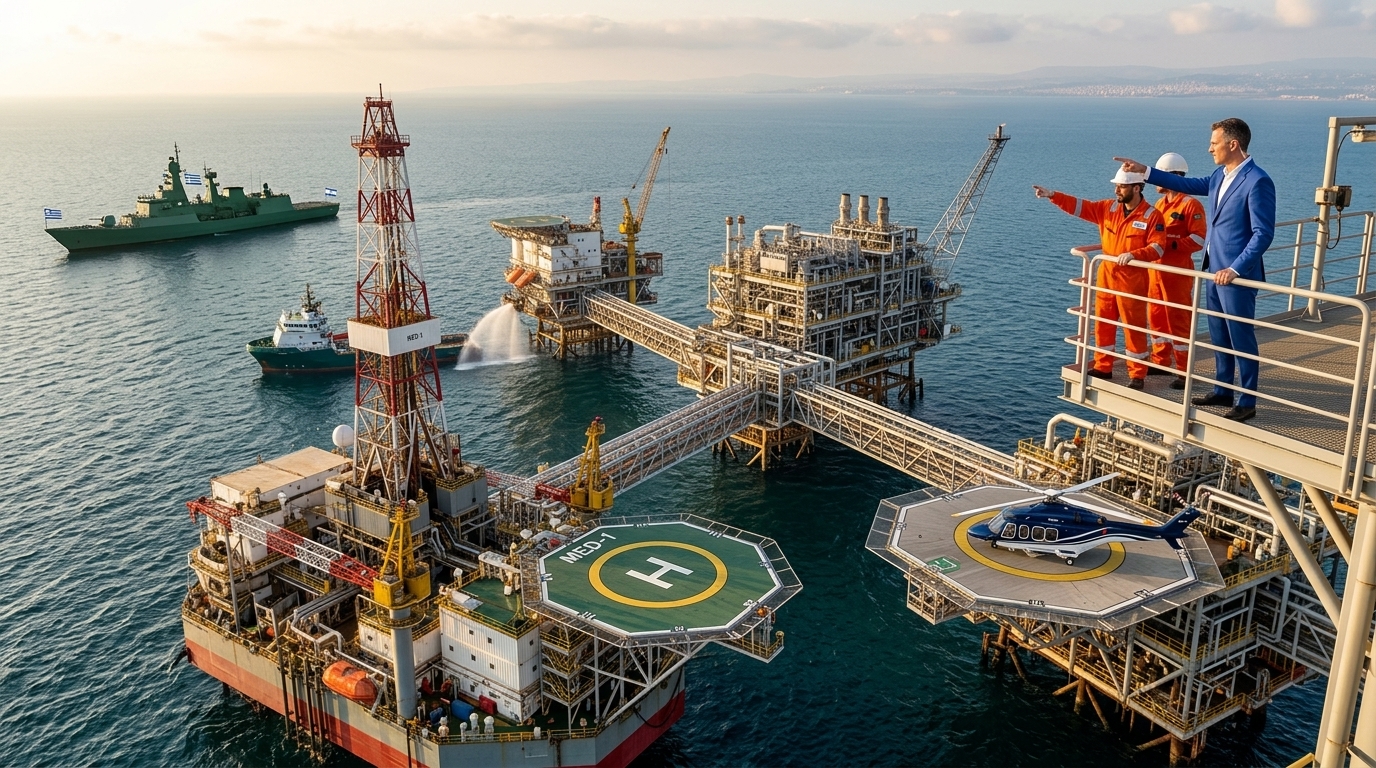
In the heart of the world's energy capital, Houston, Texas, the geopolitical chessboard of the Eastern Mediterranean has taken on new, more concrete dimensions. The recent meeting under the "3+1" framework (Greece, Cyprus, Israel, plus the United States) was not merely another diplomatic formality; it was a strategic alignment shifting the center of gravity for European energy security southward. In an era where decoupling from Russian hydrocarbons remains a top priority for Brussels, this alliance offers a viable alternative built on stability and technological superiority.
The Strategic Importance of Natural Gas and Infrastructure
Natural gas remains the central pillar of the discussion, despite the broader shift toward green energy. For Israel, exports from the Leviathan and Tamar fields serve as a tool for regional influence. For Greece and Cyprus, emerging as energy hubs has been a national strategic goal for decades. In Houston, the four parties agreed to accelerate the processes for exploiting Eastern Mediterranean deposits, emphasizing not only pipelines but also Liquefied Natural Gas (LNG) infrastructure.
Significant weight was given to the Great Sea Interconnector, the ambitious electrical interconnection project aimed at linking the grids of Israel, Cyprus, and Greece. This project is not just technical; it is deeply political. Ending Cyprus's energy isolation and integrating Israel into the European electrical grid creates facts on the ground that shield the region against external pressures. The US, through its presence, guarantees the financial and political backing required to overcome the technical and bureaucratic hurdles of such a gargantuan undertaking.
Cybersecurity: The New Frontier of Energy Diplomacy
One of the most significant developments of the summit was the establishment of a dedicated working group on cybersecurity. In the 21st century, a pipeline or a power station is only as secure as the software controlling it. Participants recognized that critical infrastructure in the Eastern Mediterranean constitutes a target for state and non-state actors seeking to destabilize the region.
- Real-time information sharing on cyber threats.
- Joint protection protocols for subsea cables and pipelines.
- Personnel training in advanced defense techniques.
This move demonstrates that the 3+1 framework is maturing. From a consultative platform, it is evolving into an operational mechanism addressing modern threats. US participation offers access to cutting-edge expertise that Greece and Cyprus can leverage to fortify their own national infrastructures.
Geopolitical Implications and the Turkey Factor
Although Turkey was not explicitly named in official communiqués, its shadow was omnipresent. Ankara continues to challenge the sovereign rights of Greece and Cyprus, projecting the "Blue Homeland" doctrine. The strengthening of the 3+1 format serves as an indirect but clear response to revisionist tendencies in the region. The US presence in Houston sends a message that the energy architecture of the Eastern Mediterranean will be shaped based on International Law and multilateral partnerships, rather than unilateral actions or threats of force.
"Energy in the Eastern Mediterranean is not just a matter of resources; it is a matter of democratic values and shared security," it was noted during the meetings.
Greece, in particular, is upgrading its role as Europe's "gateway." With infrastructure in Revithoussa and Alexandroupoli, and now with the support of the 3+1, the country becomes an indispensable partner for any strategic planning in the region. The challenge now shifts to the speed of implementation, as geopolitical balances remain fluid and time is of the essence regarding the energy costs impacting European economies.
Conclusion: Toward a New Era of Cooperation
The Houston meeting closes a cycle of uncertainty and opens a new path for the region. The convergence of interests between Athens, Nicosia, Jerusalem, and Washington creates a bulwark of stability in a traditionally volatile neighborhood. The emphasis on technology, security, and infrastructure shows that this cooperation has depth and longevity. For Greece, participating in this "strong energy front" is not just an economic opportunity but a critical guarantee for its national sovereignty and its position in the modern world.