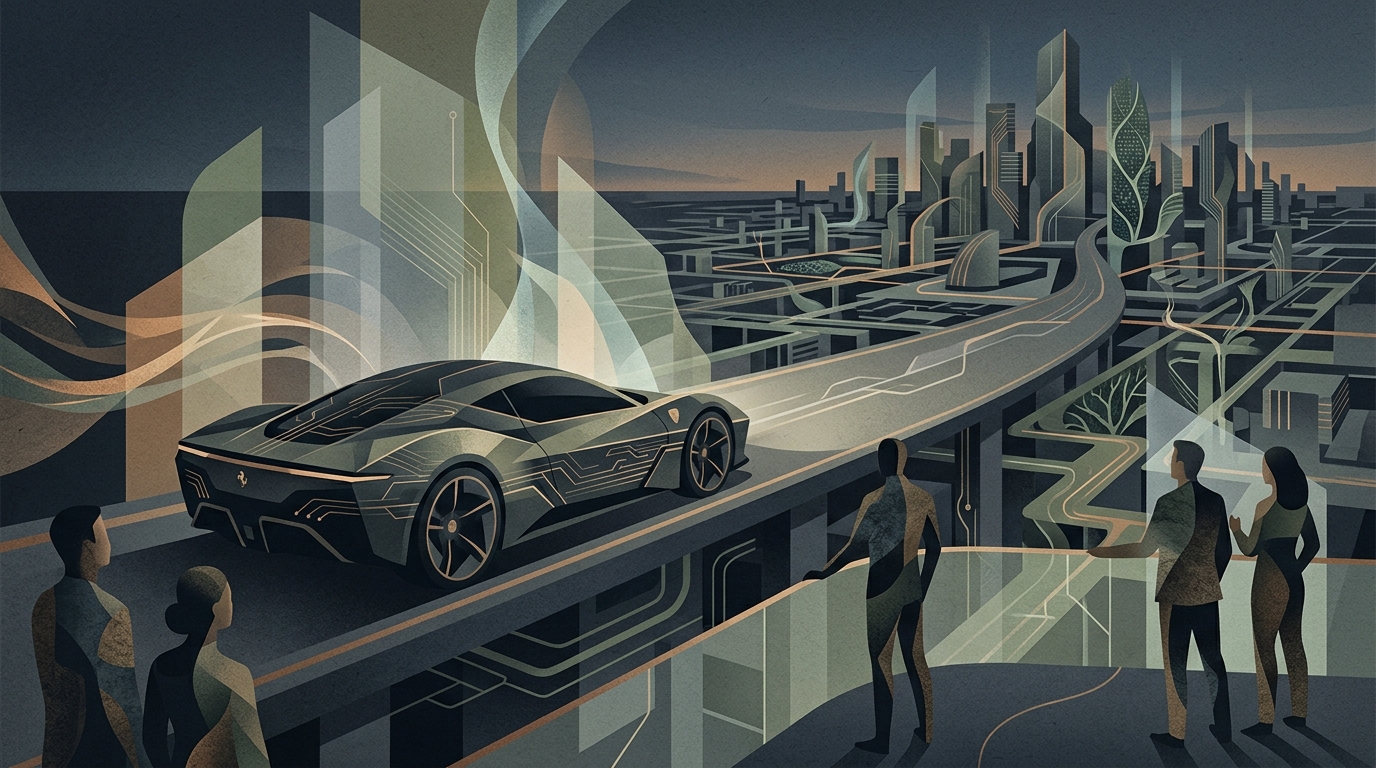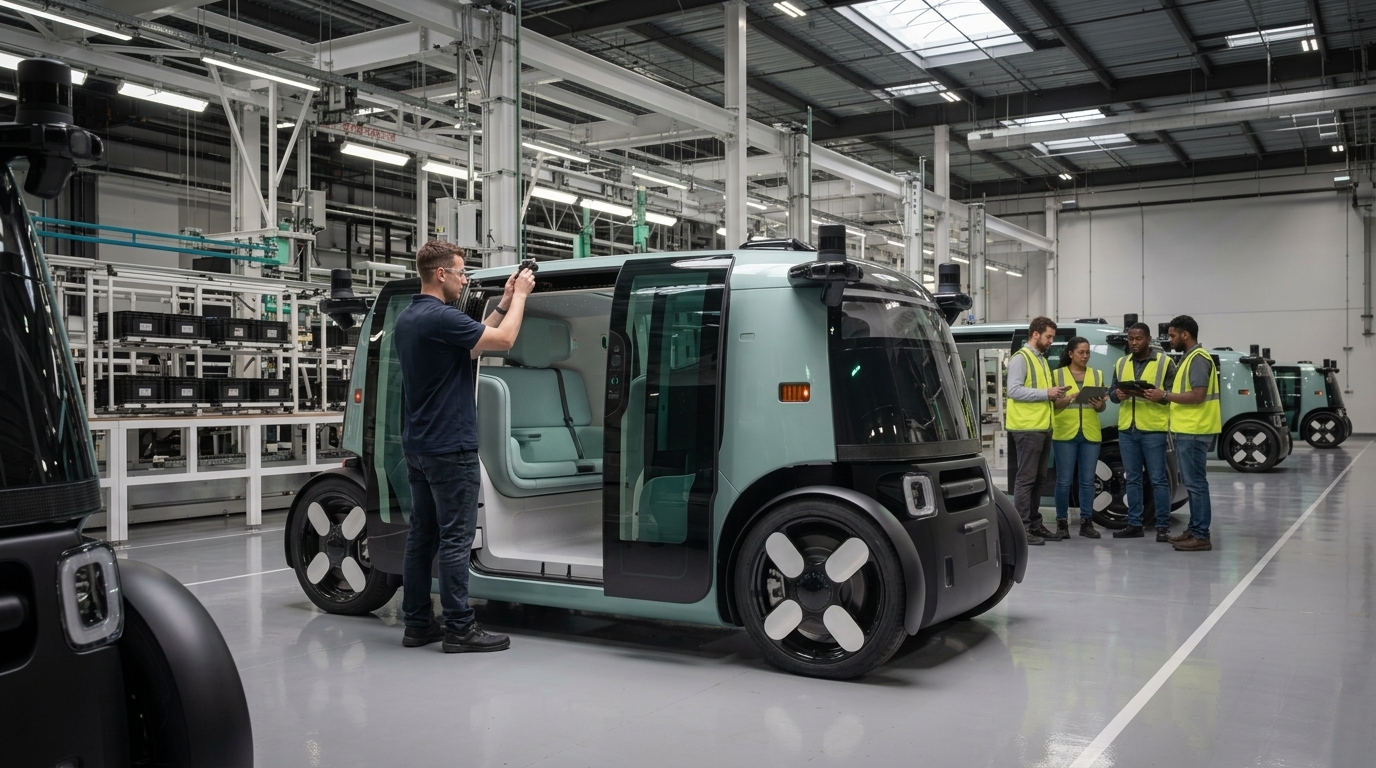
In the rapidly shifting landscape of autonomous driving, Zoox, the Amazon-owned subsidiary specializing in self-driving vehicles, has taken a significant stride toward commercial maturity. The company recently unveiled a refreshed version of its distinctive, boxy robotaxi, labeling it the "next evolution" of a vehicle designed from the ground up to transport people rather than to be driven by them. This move is not merely an aesthetic update but a strategic declaration of intent in a market dominated by Alphabet’s Waymo and the looming entry of Tesla’s dedicated hardware.
Design as a Strategic Advantage
Unlike most of its competitors, who modify existing production models (such as Waymo’s Jaguar I-Pace), Zoox has remained committed to a "purpose-built" philosophy. The vehicle lacks a steering wheel, pedals, or a traditional driver’s seat. Instead, it offers a "carriage-style" seating arrangement where passengers face each other, creating an experience more akin to a high-end lounge than a mode of transport.
The latest refresh includes improved seating with premium materials, an enhanced audio system allowing for personalized passenger experiences, and a new color palette aimed at strengthening brand identity. However, the most critical changes lie beneath the surface: optimization for mass production. Zoox is preparing to scale the manufacturing of these vehicles, signaling the end of the experimental phase and the dawn of a new era for urban transit.
The Battle for Data and Trust
Amazon acquired Zoox in 2020 for $1.2 billion, a move many interpreted as the tech giant’s attempt to solve the "last mile" delivery problem. Despite this, Zoox remains laser-focused on passenger transport. Currently, the company operates free robotaxi services in limited areas of San Francisco, Las Vegas, Austin, and Miami. The "free trial" strategy serves two purposes: gathering vast amounts of real-world data and building public trust.
"Autonomy isn’t just about software; it’s about creating an environment where humans feel safe and comfortable relinquishing control," company executives noted during the reveal.
The vehicle's bidirectional capability—the fact that it can travel in either direction with equal ease—is a technical feat that solves the U-turn problem in narrow city streets, reducing traffic congestion and accident risks. With four-wheel steering, the Zoox robotaxi can maneuver in spots where a traditional car would struggle.
Challenges and the Future of Mobility
Despite the optimism, the path to full commercialization is fraught with obstacles. US regulators remain cautious, especially following recent incidents involving vehicles from other autonomous players. Zoox must prove that its sensor suite (Lidar, radar, and cameras) can handle unpredictable human behaviors in dense urban environments consistently and safely.
Furthermore, there is the challenge of scaling. Building a fleet of thousands of autonomous vehicles requires massive capital and a supply chain that Amazon possesses, but which Zoox must leverage effectively. The vehicle refresh is the first step in making the robotaxi an everyday utility rather than a technological curiosity. If Zoox succeeds in merging safety with the promised user experience, the future of private car ownership in cities may soon become a relic of the past.