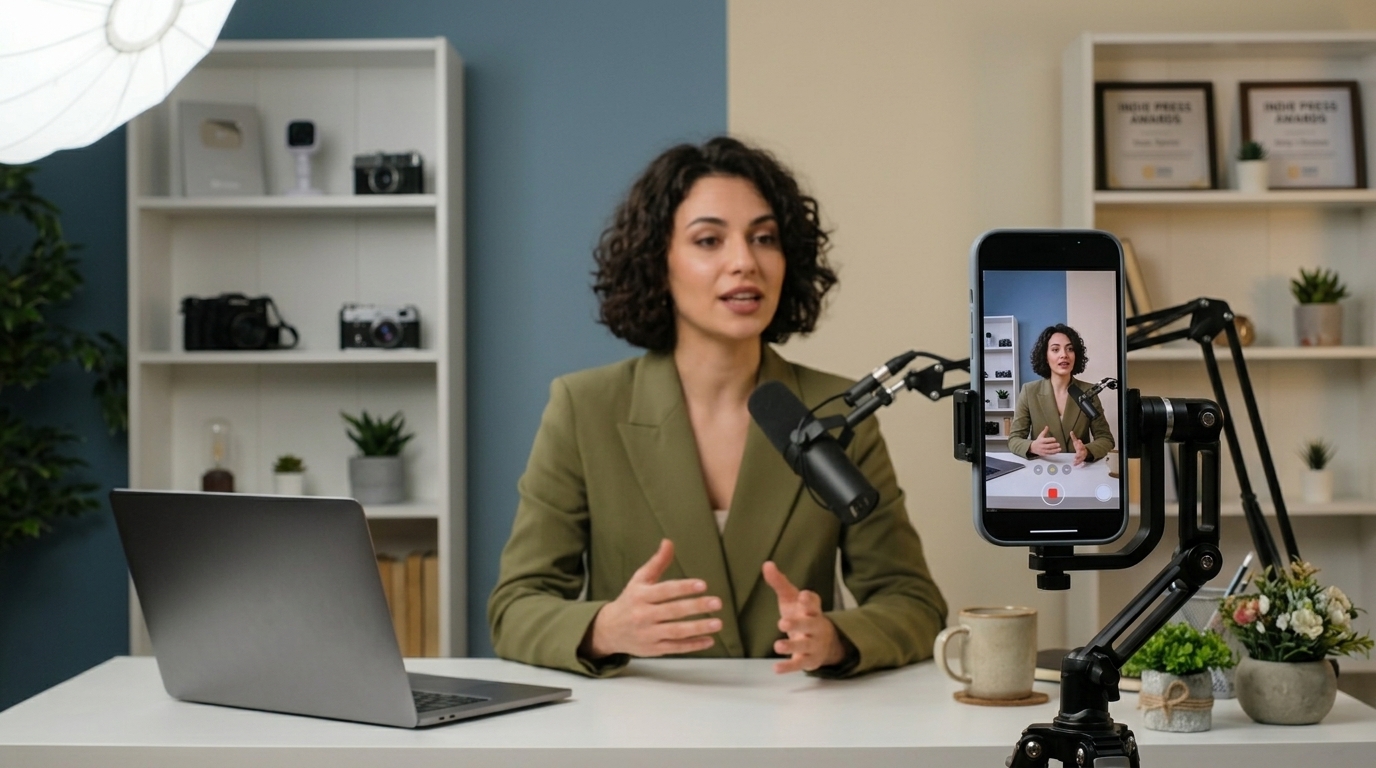
The era where Hollywood and Disney held the keys to global entertainment is fading, giving way to a new, more direct, and less hierarchical reality. The recent rise of YouTubers, evolving from simple video creators into media moguls, is not just a trend; it is a structural shift forcing traditional studios to rethink their entire business model. As 2026 progresses, the gap between the "old guard" and the "Creator Economy" is closing in favor of the latter.
The Collapse of the Traditional Star System
For decades, Disney was the ultimate star factory. From Justin Timberlake to Miley Cyrus, the model was clear: the company selected talent, molded them, and promoted them through its own channels. Today, this model seems cumbersome and anachronistic. Young viewers, particularly Generation Alpha and Gen Z, do not seek the perfection of a staged image; they crave authenticity and direct interaction. YouTubers do not wait for a producer's green light; they build their own audience, their own distribution, and ultimately, their own intellectual property.
The example of MrBeast (Jimmy Donaldson) is the most prominent. With production budgets often exceeding $5 million per video, Donaldson is no longer competing with other YouTubers, but with major television networks. His ability to attract hundreds of millions of views within hours is something Disney+ or Netflix struggle to achieve even with their most expensive productions. The difference lies in loyalty: fans of a YouTuber feel they "grew up" with them, creating a bond that no advertising campaign can buy.
From Mobile Screens to Cinema Halls
The transition from YouTube to cinema is no longer an experiment, but a strategy for success. Creators like the Philippou brothers (RackaRacka), who directed the horror hit "Talk to Me," proved that the aesthetic and speed of YouTube can successfully translate to the big screen. Traditional studios are starting to realize that hiring a YouTuber is not just about their talent, but about their guaranteed audience turnout. In an era where the box office is suffering, a creator's "built-in" fan base is the most valuable asset.
- Direct access to millions of viewers without intermediaries.
- Lower marketing costs due to organic reach.
- Speed in production and adaptation to market trends.
- Revenue diversification through merchandising and digital products.
Disney in a Defensive Role
Disney, on the other hand, finds itself in a period of introspection. Recent failures of major franchises and audience fatigue from constant sequels indicate that the blockbuster formula needs a refresh. The company is trying to incorporate elements from creator culture, but the result often feels forced. Hollywood is being challenged to learn from YouTubers how to tell stories that matter today, using the language of social media without losing cinematic quality.
"The future of entertainment does not belong to those with the largest studios, but to those with the closest relationship with their audience," notes a prominent industry analyst.
In conclusion, the battle between YouTubers and Disney is not a battle over who has the most money, but over who owns the audience's attention. As the lines between professional and amateur production blur, Hollywood must decide whether it will continue to operate as a closed club or open its doors to the new generation of digital creators who already hold the steering wheel of pop culture.