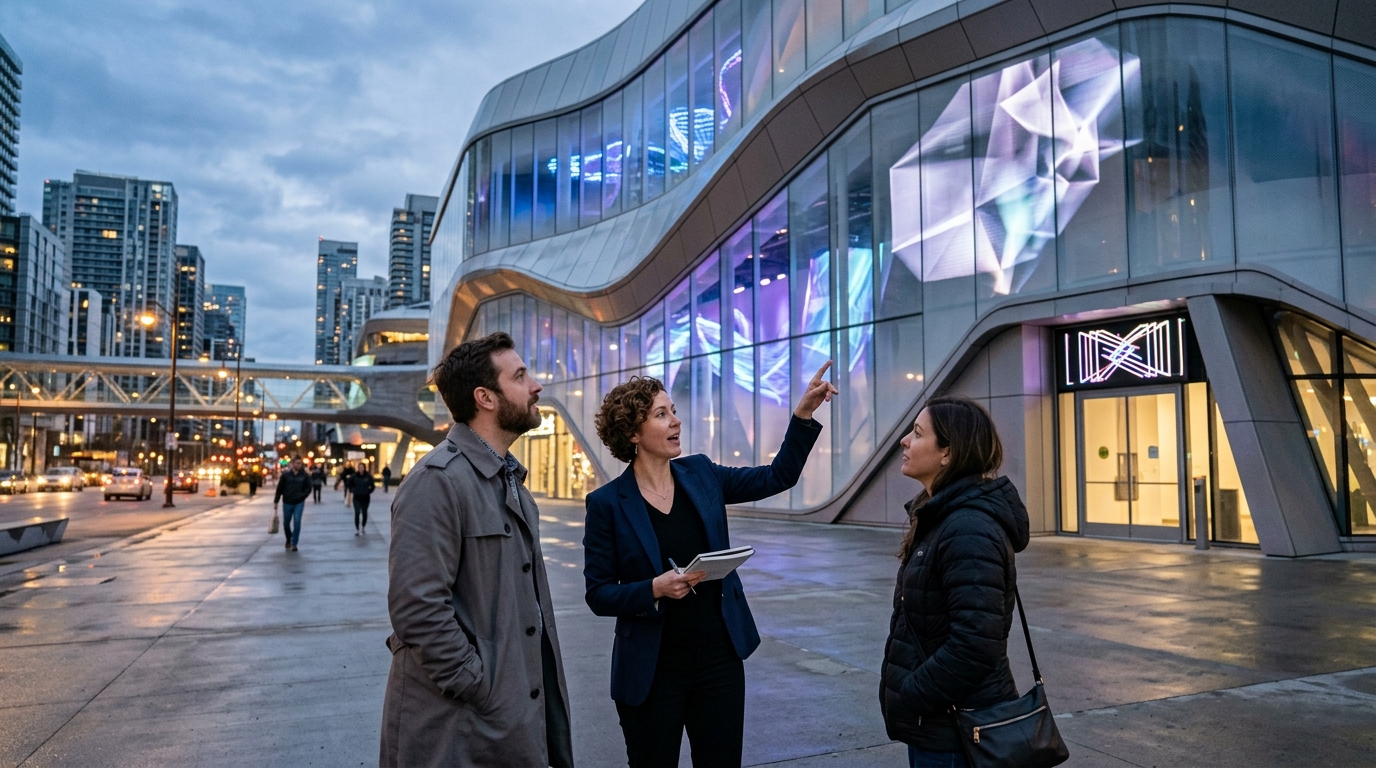
In the heart of downtown Los Angeles, within the architectural curves of Frank Gehry’s “The Grand LA,” a revolution is taking shape. Dataland, the world’s first permanent museum dedicated exclusively to Artificial Intelligence art, is preparing to open its doors. More than just a gallery, it represents the culmination of Refik Anadol’s career—a pioneer who has spent a decade treating data as pigment and algorithms as brushes.
The announcement of Dataland comes at a pivotal moment for the global art world. As generative AI floods the internet with synthesized imagery, this museum seeks to provide a definitive institutional home for digital creation rooted in ethical data sourcing and high aesthetic standards. The project is not merely about projecting images onto walls; it aims to create a multi-sensory environment where scents, sounds, and visuals are generated in real-time by AI models, creating an immersive experience unlike any traditional museum.
Refik Anadol and the Large Nature Model
At the core of Dataland lies the “Large Nature Model” (LNM), the world’s first open-source AI model trained exclusively on data from the natural world. Unlike models from tech giants like OpenAI or Midjourney, which often face criticism for scraping copyrighted material without consent, Anadol’s LNM utilizes datasets curated through partnerships with institutions such as the Smithsonian and London’s Natural History Museum. This approach directly addresses the ethical concerns surrounding AI art: here, the raw material is nature itself, documented with scientific precision and ethical integrity.
Visitors to Dataland will not encounter static displays. Instead, thanks to advanced sensors and massive computational power, the museum will “breathe.” Data murals will shift and evolve based on environmental factors like temperature, humidity, or even the movement of the crowd. It is a profound attempt to bridge the gap between the intangible digital realm and physical human experience, transforming cold information into a living, pulsating entity that mirrors the complexity of biological life.
Ethics and Sustainability: The Great Debate
However, the establishment of such a high-tech institution is not without its controversies. The most pressing concern is environmental. It is a well-documented fact that training large-scale AI models and maintaining real-time generative displays requires immense amounts of energy. Anadol and his team have pledged that Dataland will prioritize sustainability, utilizing renewable energy sources and optimized algorithms to minimize its carbon footprint. Nonetheless, skeptics remain, questioning whether a “simulated nature” can ever justify the energy costs that ultimately impact the real environment.
Furthermore, the question of authenticity looms large. In an era where AI can mimic the style of any artist with a single prompt, what defines Dataland as a “museum”? The curatorial team argues that the value lies in the “curation of data.” The art within Dataland is not random; it is the result of a meticulously designed interaction between human intent and algorithmic execution. The museum aims to serve as a laboratory where visitors can peek behind the curtain, demystifying the “black box” of AI and understanding the mechanics of digital thought.
Cultural Impact and the Future of LA
The choice of Los Angeles as the home for Dataland is strategic. As a global epicenter for both entertainment and technological innovation, the city provides the perfect backdrop for this cultural experiment. Dataland is expected to draw millions of visitors, bolstering California’s position as a leader in the digital economy. Beyond the spectacle, the museum will host educational programs designed to familiarize younger generations with the tools of the future, fostering a new kind of literacy in the age of automation.
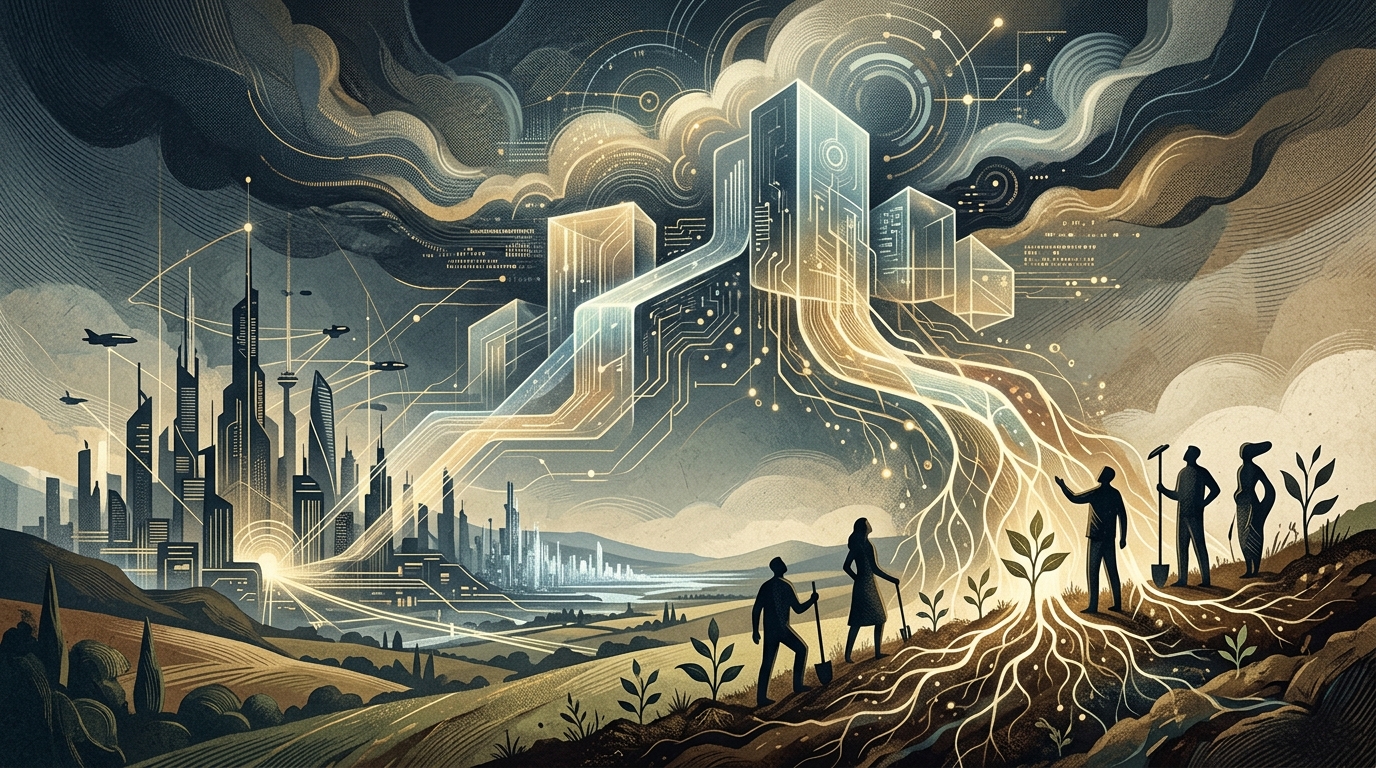
Ultimately, Dataland is a manifesto for the future of human creativity. It is not about machines replacing artists, but about the expansion of the human spirit through collaboration with data intelligence. Just as the Impressionists utilized new chemical pigments in the 19th century to redefine light in painting, the artists of Dataland are using pixels and bytes to redefine the sublime in the 21st century. It is a bold, beautiful, and perhaps necessary step into the unknown.