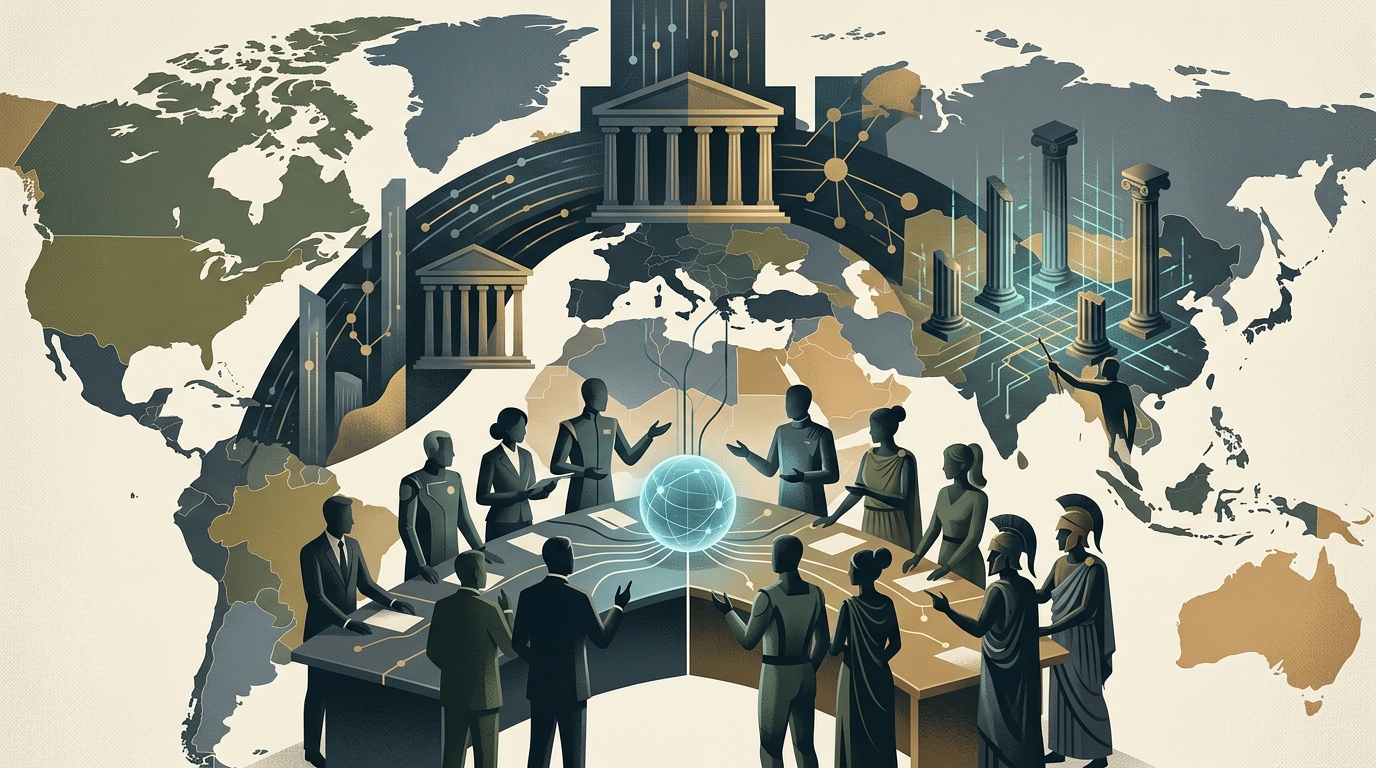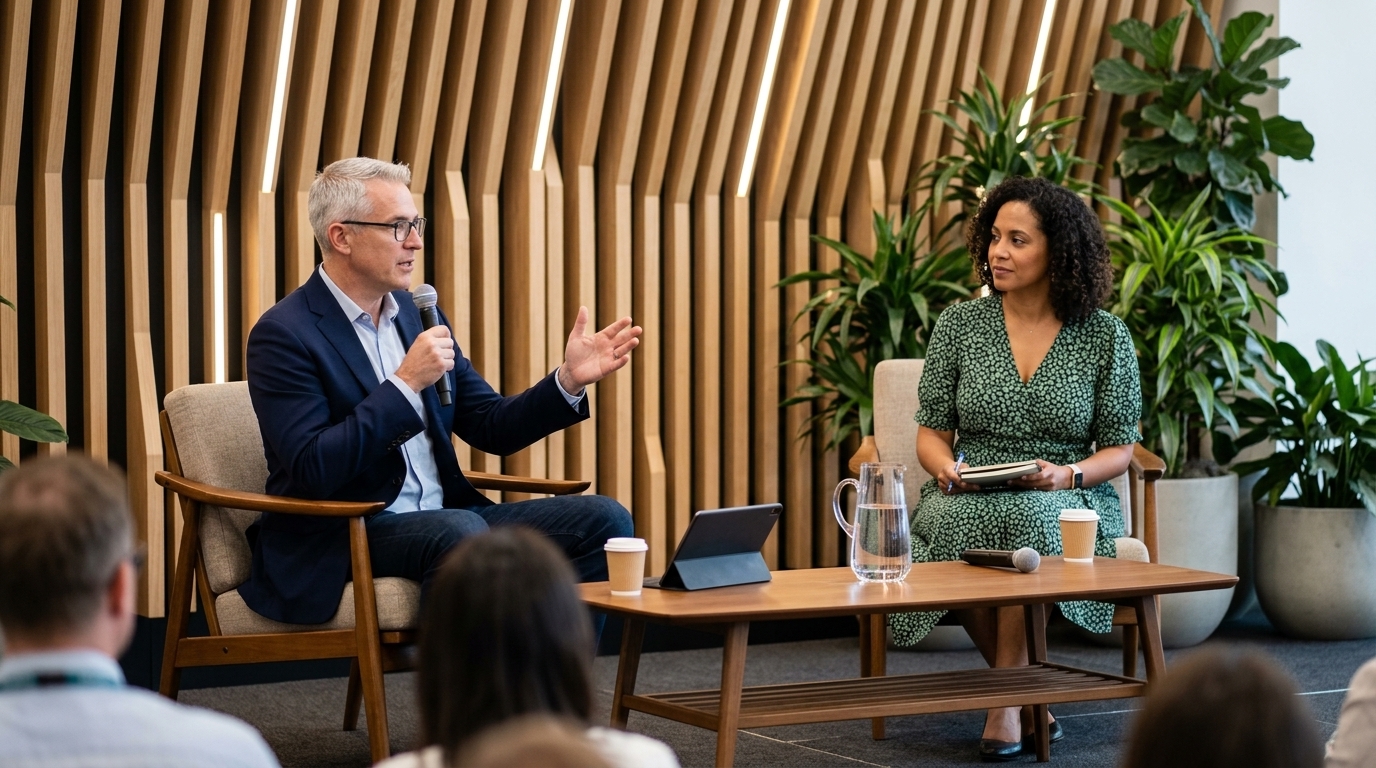
In an era where technological evolution is no longer measured in decades but in weeks, the Workplace Innovation Roundtable 2026 served as the epicenter of dialogue regarding the future of work in Greece and Europe. Rebecca Pitsika, Founder & CEO of We R and Managing Partner of N2Growth Greece, set the tone for the new era with a statement that left no room for complacency: "Yesterday's organizations cannot meet the demands of tomorrow."
The Crisis of Traditional Models
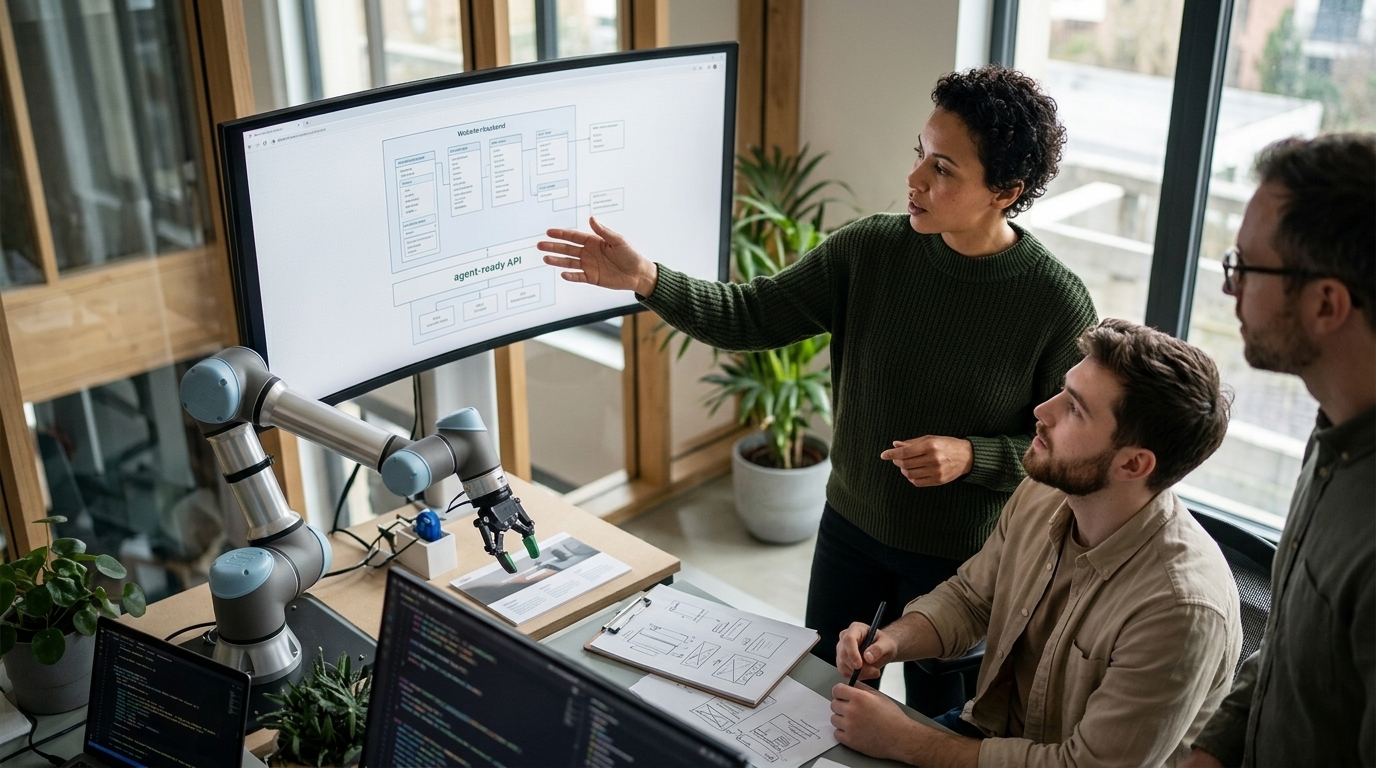
Pitsika’s core thesis focuses on the fact that many businesses continue to operate with hierarchical models designed for the industrial age. In the environment of 2026, where Artificial Intelligence (AI) has been integrated into every aspect of the production process, the rigidity of these models acts as a major bottleneck. The organizations surviving today are those that have transformed their structure from a pyramid into a network, allowing for rapid decision-making and the free flow of information.
According to Pitsika, adaptability is no longer a "soft skill" but the ultimate prerequisite for survival. Leaders who persist in control and micromanagement are facing a mass exodus of talent, as new-generation employees seek autonomy, purpose, and flexibility. Workplace innovation is not just about tools; it is primarily about mindset.
Leadership with Empathy and AI Strategy
One of the most compelling points of the discussion was the redefinition of the leader's role. Pitsika emphasized that the modern leader must be simultaneously tech-savvy and deeply human. In a world where algorithms can handle technical decisions, human value shifts toward critical thinking, emotional intelligence, and the ability to inspire teams that often work remotely or in hybrid environments.
- Accepting failure as a vital part of the learning process.
- Investing in the mental health of employees.
- Creating inclusive environments (Diversity, Equity & Inclusion).
- Lifelong learning as a core corporate culture.
Pitsika noted that the proper utilization of human capital requires understanding that the employee of 2026 is not just a resource but a partner in innovation. Organizations that fail to realize this will see their competitive advantage evaporate.
Reskilling and Upskilling: The Battle for Talent
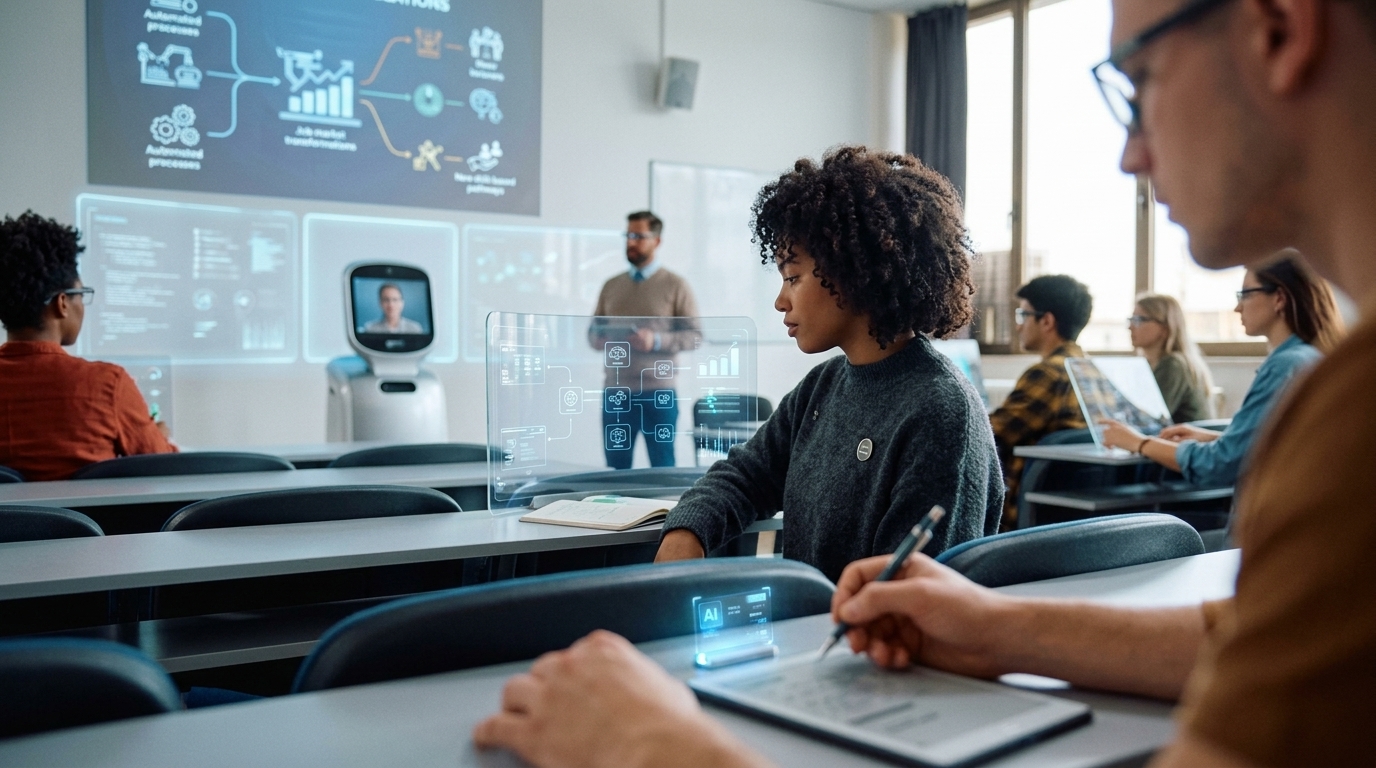
The discussion at the Roundtable inevitably turned to the skills gap. With Generative AI having automated 40% of traditional office tasks, the need for reskilling is more urgent than ever. Pitsika stressed that businesses must take responsibility for training their staff rather than waiting for ready-made solutions from the labor market.
"Talent is no longer found solely in degrees, but in an individual's ability to learn, unlearn, and relearn," she noted.
In Greece, the stakes are twofold. On one hand, small and medium-sized enterprises (SMEs) must digitize immediately, and on the other, large corporations must shed the bureaucracy that keeps them tethered to the past. Rebecca Pitsika concluded that workplace innovation is a marathon with no finish line, where the only constant is change.
Conclusions for the Future
Closing her presentation, Pitsika called on Greek entrepreneurs to dare radical changes. The transition to the "organization of tomorrow" requires the courage to abolish old privileges and create a culture where meritocracy and innovation are actively rewarded. The Workplace Innovation Roundtable 2026 proved that technology is the means, but the human remains the driving force of every successful transformation.