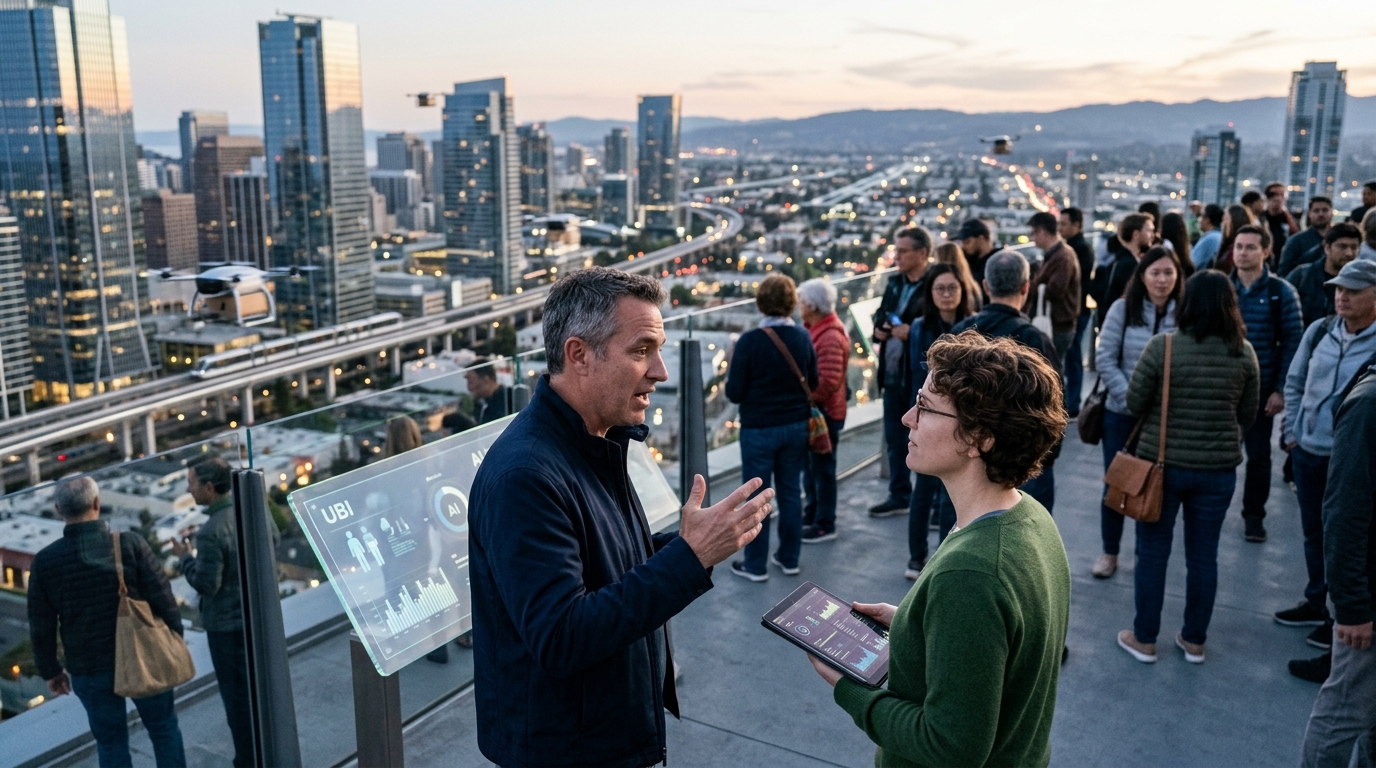
The concept of Universal Basic Income (UBI) is far from a novelty. From the writings of Thomas Paine and Martin Luther King Jr. to the economic theories of Milton Friedman, the idea of providing a guaranteed, unconditional cash payment to every citizen has been championed across the political spectrum for vastly different reasons. However, in June 2026, the conversation has taken on a new, urgent tone. Silicon Valley, the very epicenter of technological disruption, has emerged as the most vocal advocate for this once-fringe idea.
Artificial Intelligence as a Catalyst for Change
The meteoric rise of Large Language Models (LLMs) and advanced robotics has shifted the fear of "technological unemployment" from a sci-fi trope to a mainstream economic forecast. Unlike previous industrial revolutions that replaced manual labor, the AI revolution is directly targeting cognitive labor—the bedrock of the middle class. From software engineers and legal researchers to data analysts, no sector appears immune to the efficiency of silicon-based intelligence.
In this context, Silicon Valley leaders view UBI not as a socialist pipe dream, but as a necessary "survival mechanism" for capitalism itself. If machines generate all the wealth but humans lack the income to consume, the entire economic engine grinds to a halt. Sam Altman, CEO of OpenAI, has become one of the most prominent figures in this movement, funding one of the largest UBI studies to date through his organization, OpenResearch.
Lessons from Recent Trials
The recently concluded multi-year study led by Altman’s team in the United States has yielded nuanced results. Participants who received $1,000 a month with no strings attached did not, as critics feared, abandon the workforce en masse. Instead, they used the capital to improve their health, invest in their children’s education, or take the time to find better-quality employment. However, the study also highlighted that UBI is not a silver bullet; it did not solve systemic issues like housing shortages or the rising cost of specialized healthcare.
- 85% of participants used the funds for basic necessities (food, rent, utilities).
- There was a measurable uptick in small-scale entrepreneurial activity.
- Mental health indicators improved significantly in the initial months, though the effect plateaued as participants acclimated to the new income floor.
The Economic Challenge: Who Foots the Bill?
The central question remains: how to fund it? Implementing UBI at a national scale requires resources that far exceed the current budgets of most sovereign states. Several proposals are gaining traction in policy circles:
- Robot Taxes: A concept popularized by Bill Gates, where companies are taxed on the productivity gains achieved through automation.
- Data Dividends: The idea that citizens should be compensated for the personal data used to train AI models, essentially treating data as a collective natural resource.
- Land Value and Wealth Taxes: A fundamental restructuring of the tax code to target the massive capital gains generated by tech monopolies.
"We cannot have a society where technology is owned by the few and poverty is owned by the many. UBI is the social contract for the digital age." — Excerpt from the Le Monde analysis.
A Philosophical Shift
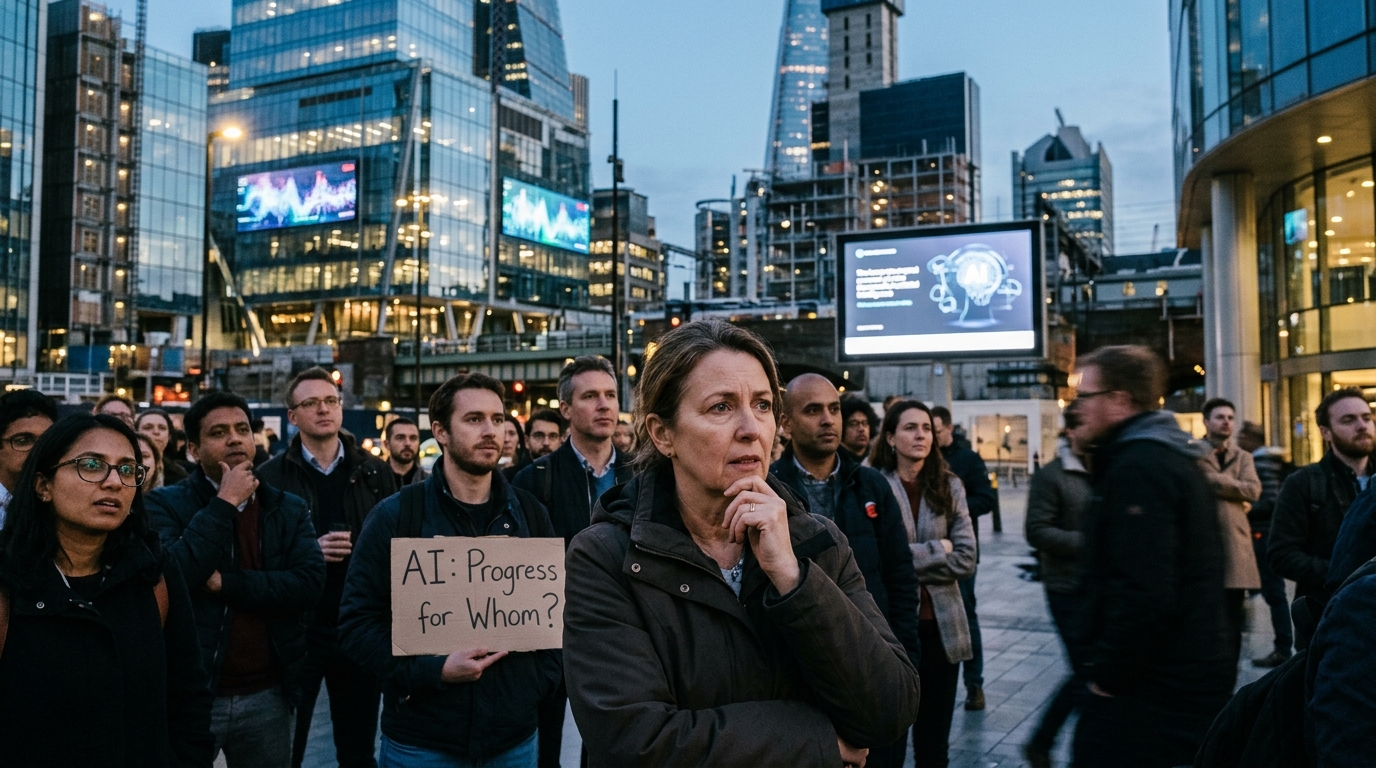
Beyond the spreadsheets, UBI triggers a profound philosophical debate regarding human worth. For centuries, identity and dignity have been inextricably linked to productive labor. In a world where labor is no longer a prerequisite for survival, what will provide meaning to our lives? Proponents argue that this decoupling will unleash a new era of human creativity, allowing individuals to focus on arts, volunteering, and community building. Critics, however, fear a society of lethargy and total dependence on the state or tech overlords.
In Europe, the debate is taking a different shape, focusing on strengthening the existing welfare state rather than replacing it with direct cash transfers. Yet, as AI continues its relentless march, Silicon Valley’s "utopia" might soon become the only pragmatic path to preventing a catastrophic social rupture.