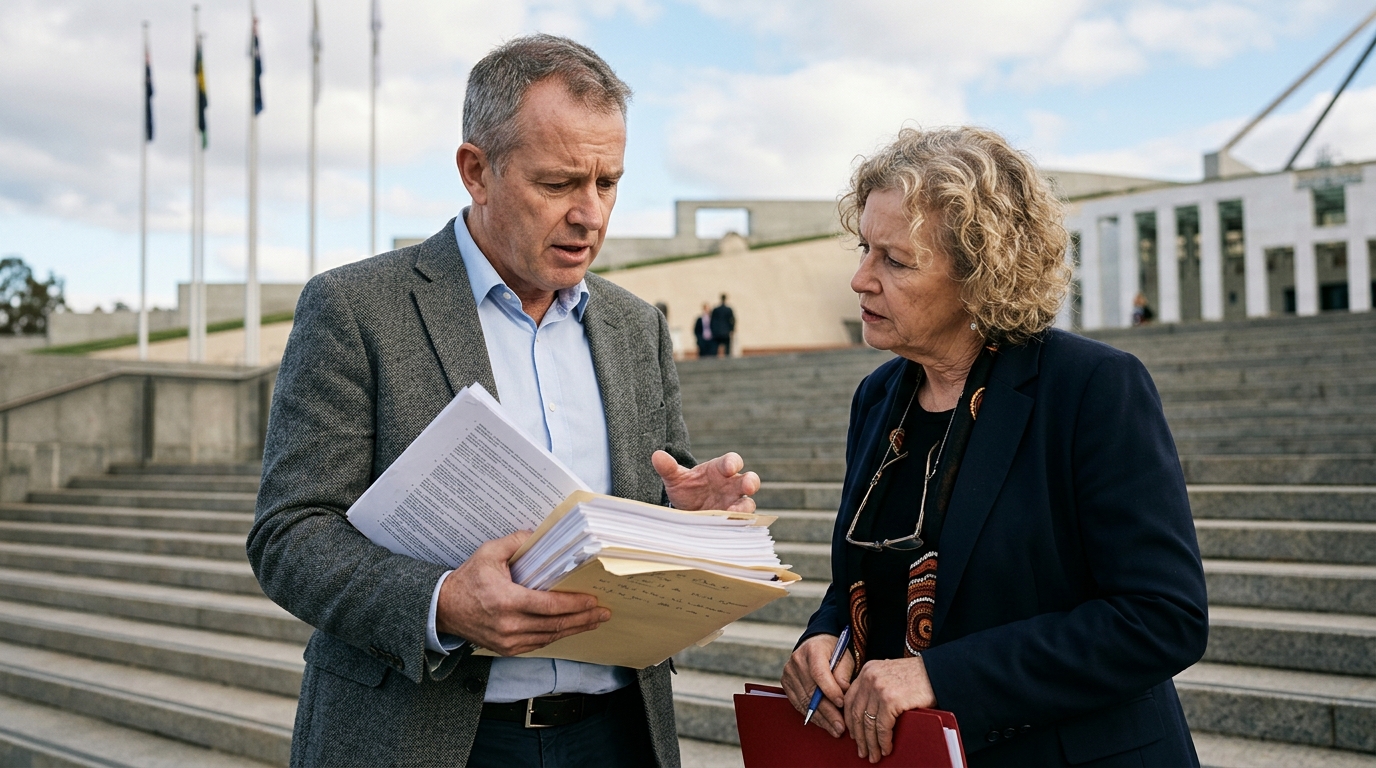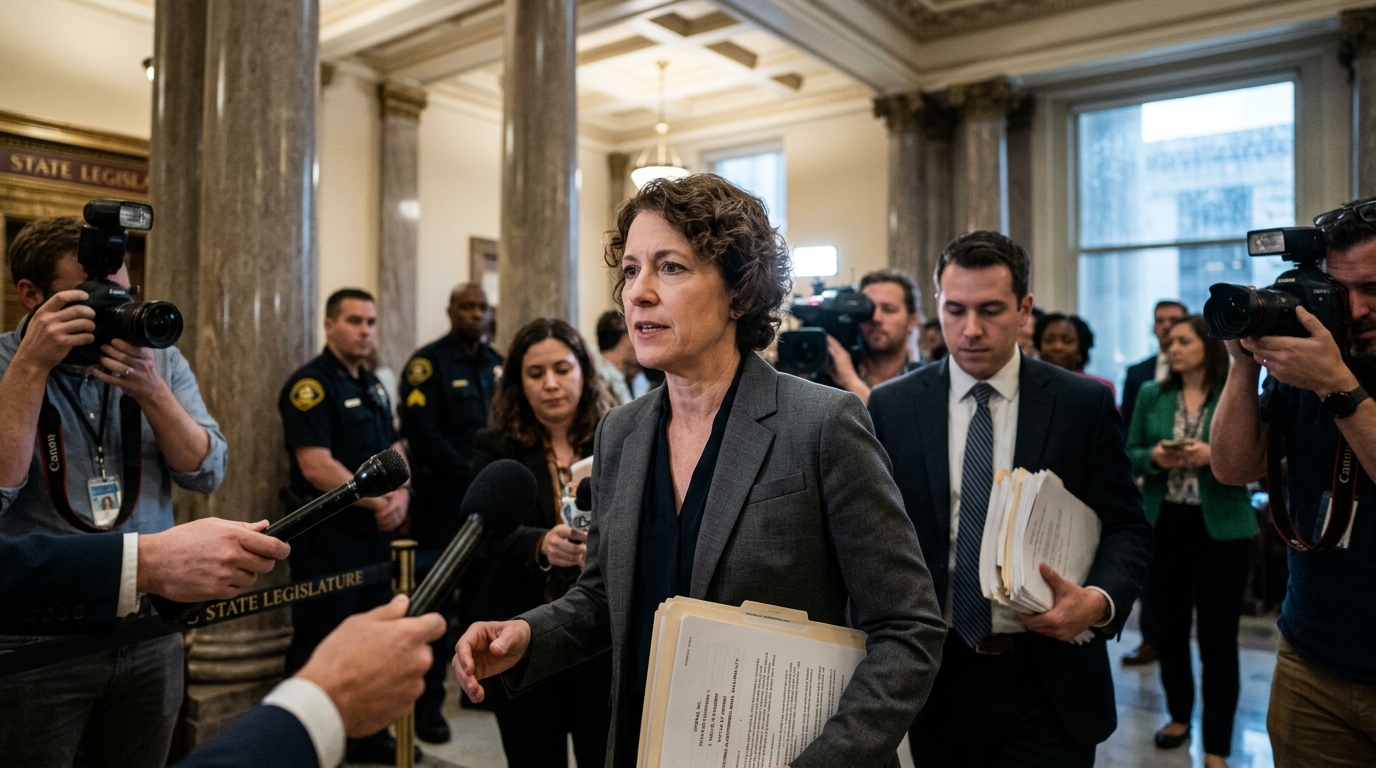
The era of the AI 'Wild West' appears to be drawing to a close as U.S. State Attorneys General (AGs) turn their focus toward OpenAI. In a period where federal legislation in Washington moves at a glacial pace, state prosecutors are stepping up as the primary guardians of consumer rights, scrutinizing the practices of the company behind ChatGPT.
The New Front Line of Consumer Protection
State AGs are no strangers to battles with Big Tech. Following historic legal skirmishes with Meta and Google, OpenAI has become the next major target. The core legal argument rests on 'Unfair or Deceptive Acts or Practices' (UDAP) laws. Authorities are investigating whether OpenAI misled users regarding the accuracy of information provided by ChatGPT and whether privacy risks were adequately disclosed.
For the average user, this pressure translates into immediate changes in platform operations. We are already seeing more frequent updates to terms of service and clearer warnings regarding model 'hallucinations.' However, a lingering concern remains: will this scrutiny lead to a safer experience or an over-regulation that stifles AI's potential?
Data, Privacy, and the Public Interest Clash
One of the most critical points of the investigation concerns data scraping. AGs are examining how OpenAI trained its models using vast amounts of internet data, often without the explicit consent of creators or users. The concern extends beyond intellectual property to the potential for sensitive personal information to be leaked through AI responses.
- Algorithmic Transparency: Authorities are demanding to know how decisions are made by the model.
- Minor Protection: Significant emphasis is placed on safety measures to prevent the generation of harmful content for children.
- Data Security: The storage and processing of user queries are under constant surveillance.
Legal analysts suggest that State AGs are acting as 'laboratories of democracy,' testing different legal theories that could eventually form the basis of a national AI law. However, this creates a 'patchwork' of regulations that OpenAI must navigate, which could lead to different versions of the service being available depending on the state.
OpenAI’s Response and Market Implications
OpenAI, for its part, is attempting to balance innovation with compliance. The company has hired armies of legal consultants and policy experts to convince authorities that its systems are safe. However, the recent departure of key executives focused on 'alignment' and safety has raised red flags for prosecutors.
"Artificial intelligence cannot be an exception to the rules that govern our society. If a company promises safety and accuracy, it must be able to prove it," says a source close to a State AG's office.
In conclusion, the involvement of State Attorneys General marks a new phase of maturity for the industry. Users may see stricter content filters and greater protection against misinformation. The ultimate challenge remains whether legal oversight can protect the citizen without suffocating the technological progress that promises to reshape our world.