In the modern era, sedentary behavior has become one of the most significant public health challenges. Despite the plethora of fitness apps and smartwatches tracking our every move, the problem of motivation remains the most difficult hurdle. The recent highlight in The Verge’s 'Installer' regarding the classic 'Zombies, Run!' app and the broader culture of tech curation reminds us of a fundamental truth: humans are not built to count calories, but to inhabit stories.
The Power of Narrative in Motion
'Zombies, Run!' is not just a running app. It is a radio drama in which the user is the protagonist. As you run in the real world, you listen to the story of a post-apocalyptic society through your headphones. You must collect supplies, save survivors, and, most importantly, speed up when you hear the breathing of zombies closing in behind you. This simple shift from 'I must run for my health' to 'I must run to escape the undead' radically alters the neurochemistry of exercise.
The success of such apps is based on the concept of 'immersion.' When the brain focuses on a narrative, the perception of fatigue diminishes. The endorphins from exercise combine with the dopamine from game progress, creating a powerful feedback loop that makes the activity addicting in a positive way.
Gamification: Beyond Points and Badges
Gamification is often misunderstood as the simple addition of points or digital badges to a mundane activity. However, true gamification is about designing experiences that satisfy deep human needs: autonomy, mastery, and relatedness. Within the context of 'Installer' and other tech guides, we see a shift toward tools that don't just push us to 'do more,' but help us 'feel more.'
- Autonomy: The choice of hardware, such as Boox e-ink devices mentioned in the article, allows users to consume content without the fatigue associated with traditional screens.
- Mastery: Progress in a fitness game mirrors physical improvement, making the invisible progress of health visible through digital achievements.
- Relatedness: Being part of a community of 'survivors' or sharing tips in newsletters creates a sense of belonging.
Technology as a Trojan Horse for Health
It is ironic that the very technology that tethered us to our screens is now being called upon to liberate us. E-ink devices like the Boox represent a middle ground: the desire for digital knowledge without the distractions and blue light that disconnect us from our physical selves. The integration of cultural icons like Billie Eilish into the tech-lifestyle nexus shows that wellness is now inseparable from the tools we use to navigate the world.
"Technology is not the enemy of physical activity, but the mediator that can make it attractive again in a world full of competing temptations."
The Future of 'Exertainment'
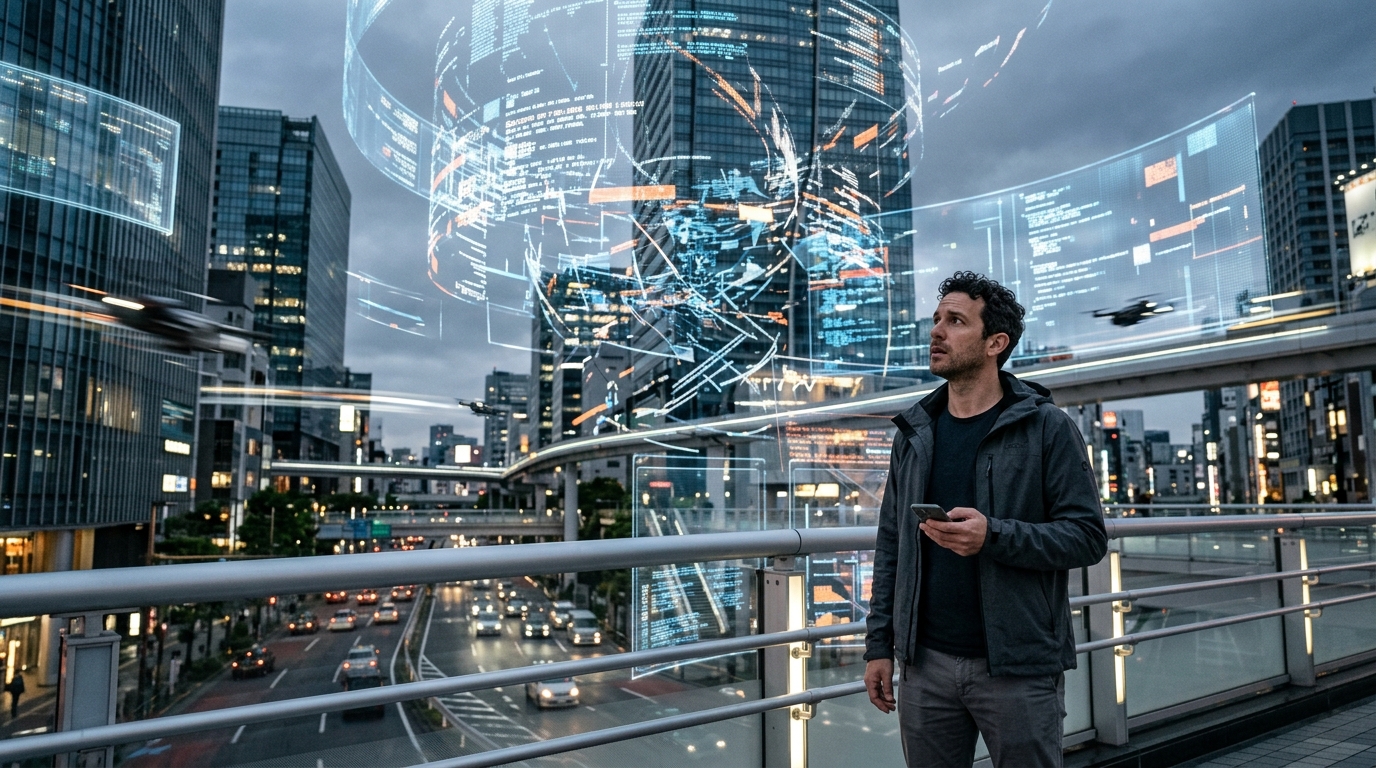
Looking ahead, the convergence of Augmented Reality (AR) and Artificial Intelligence (AI) promises even more immersive experiences. Imagine running in your local park and, through your AR glasses, seeing an ancient Greek stadium or a futuristic cityscape. Exercise will cease to be an isolated activity in a sterile gym and will become an exploration of the world, enriched with digital layers of information and entertainment.
However, there is a risk: becoming so dependent on digital incentives that we forget how to move simply for the joy of movement. The challenge for future designers is to create systems that eventually 'self-destruct,' leaving behind an individual who loves their body and activity regardless of whether they are earning points or escaping virtual monsters.
In conclusion, the success of apps like Zombies, Run! and the popularity of curation-focused columns like Installer highlight our need for meaning and intentionality. In an ocean of information and devices, we seek those tools that do not just add noise, but provide rhythm and purpose to our daily lives.