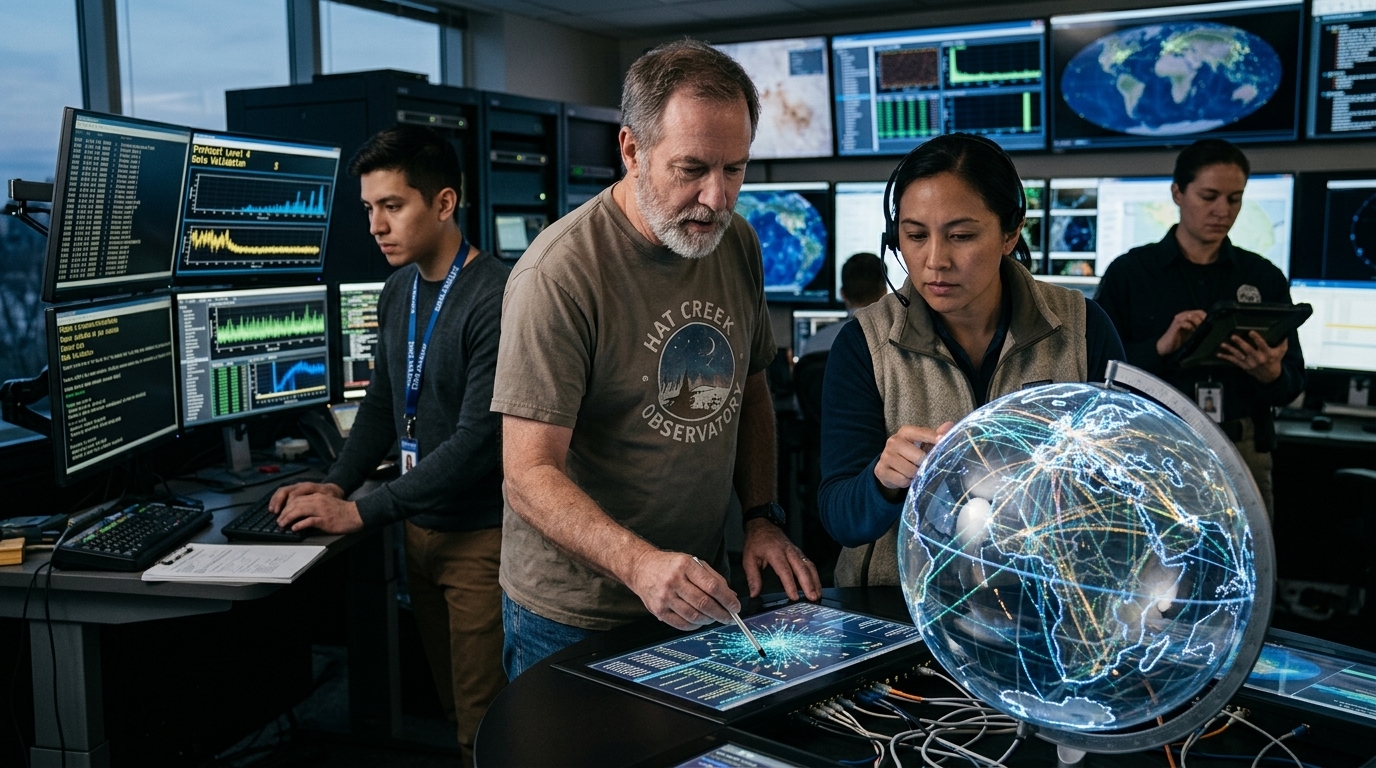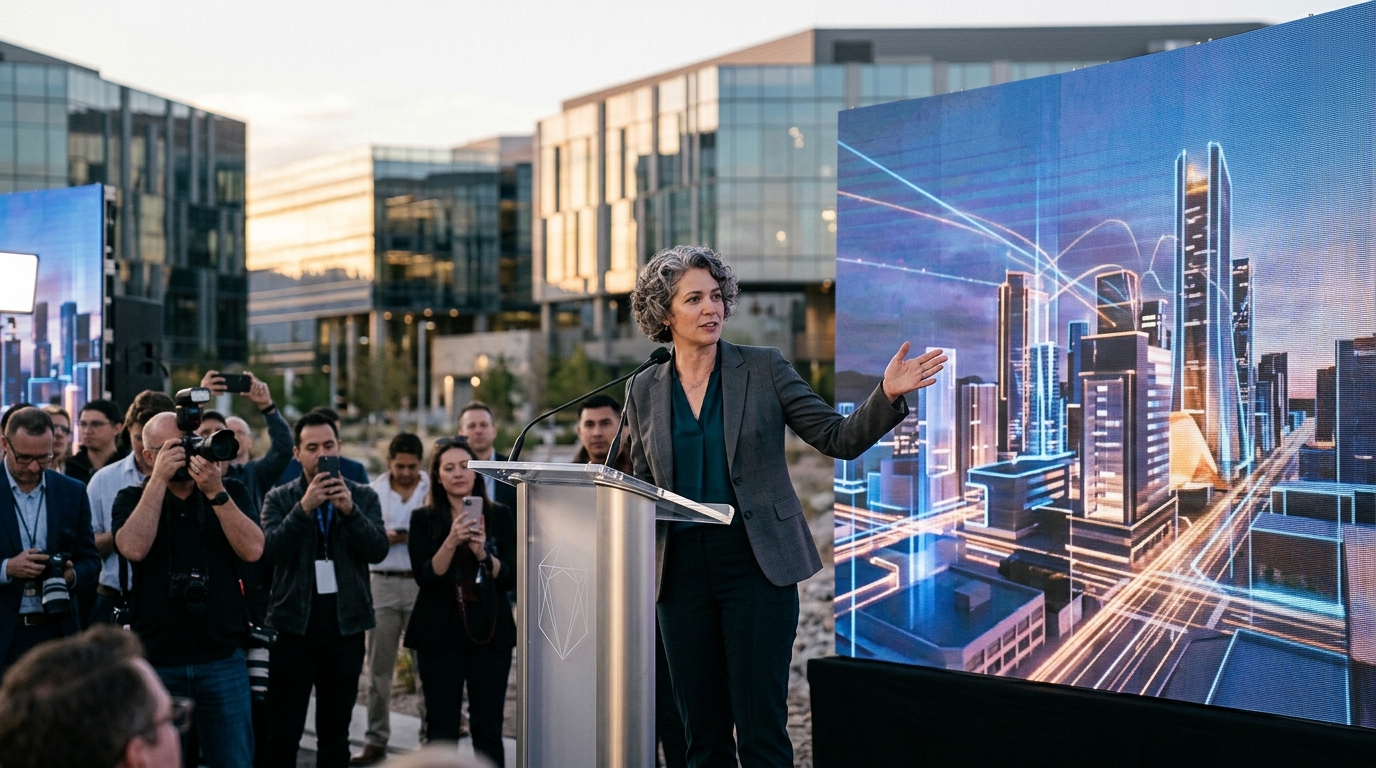
The Nevada desert, traditionally synonymous with the neon glow of Las Vegas and the clatter of slot machines, is transforming into a new frontier for the motion picture industry. Rick Kirkham, the veteran journalist and producer who gained global notoriety as a central figure in Netflix’s breakout hit "Tiger King," is making a pivot that few saw coming. This time, he isn't documenting the chaos of big cat owners; he is harnessing the disruptive power of Artificial Intelligence (AI).
The Genesis of Nevada AI
The launch of Nevada’s first AI-centric film production company, aptly named "Nevada AI," is more than just a business venture; it is a manifesto for the future of entertainment. Based in Las Vegas, the company aims to dismantle the traditional, often bloated, production models of Hollywood. By integrating generative AI into every stage of the pipeline—from scriptwriting and storyboarding to photorealistic environment creation and character performance—Kirkham is betting on a paradigm shift.
Kirkham’s journey from the gritty world of reality television to the vanguard of tech-driven cinema is fueled by a desire for efficiency. Having spent decades in the field, he recognizes the logistical nightmares and astronomical costs associated with traditional filmmaking. Nevada AI seeks to bypass these hurdles, utilizing advanced models like OpenAI’s Sora and Runway’s video generation tools to produce high-fidelity content that would otherwise require hundreds of millions of dollars in capital.
Why Nevada? The Great Hollywood Exodus
The choice of Nevada as a base is a calculated strategic move. As California grapples with rising production costs, stringent regulations, and a high cost of living, many creators are looking eastward. Nevada has been aggressively positioning itself as a viable alternative, offering competitive film tax credits and fostering a burgeoning tech ecosystem. Las Vegas is no longer just a playground for tourists; it is striving to become the "Silicon Desert."
- Production cost reduction of up to 90% for certain visual-heavy projects.
- The ability to create complex sets without the need for physical soundstages or location scouting.
- Empowering independent filmmakers to achieve "blockbuster" aesthetics on a fraction of the budget.
- Development of a new workforce specialized in AI prompt engineering and digital curation.
Kirkham frames AI as the "ultimate equalizer." He argues that this technology allows storytellers with vision—but without deep-pocketed studio backing—to compete on a global scale. In his view, the democratization of high-end visual tools is the next logical step in the evolution of cinema, following the transitions from film to digital and from physical effects to CGI.
Ethical Quandaries and the Human Element
However, the road to an AI-driven cinema is fraught with controversy. The entertainment industry is still reeling from the 2023 SAG-AFTRA and WGA strikes, where the use of AI was a primary point of contention. Nevada AI enters a market where the ethical implications of machine-generated content are under intense scrutiny. Issues ranging from copyright infringement—how these models are trained—to the potential displacement of skilled labor like set designers and VFX artists remain unresolved.
"We aren't replacing creativity; we are amplifying it," Kirkham asserts. "AI is essentially a camera that can see inside your mind, capturing things that were previously impossible to film."
Critics, however, remain skeptical. They argue that the "soul" of cinema is derived from human imperfection and the collaborative friction of a live set. There is a concern that AI-generated films might fall into the "uncanny valley," producing content that is visually stunning but emotionally hollow. Nevada AI must prove that algorithms can not only replicate human aesthetics but also resonate with the human heart.
Conclusion: A New Era of Storytelling
The emergence of Nevada AI marks a pivotal moment where a studio's geographical location may soon matter less than its server capacity. If Rick Kirkham’s gamble pays off, Nevada could very well become the Silicon Valley of entertainment, attracting a new breed of "techno-creatives" who view the machine as a collaborator rather than a threat. Whether audiences will embrace this algorithmic auteurism remains to be seen, but the revolution is undeniably underway in the heart of the American West.