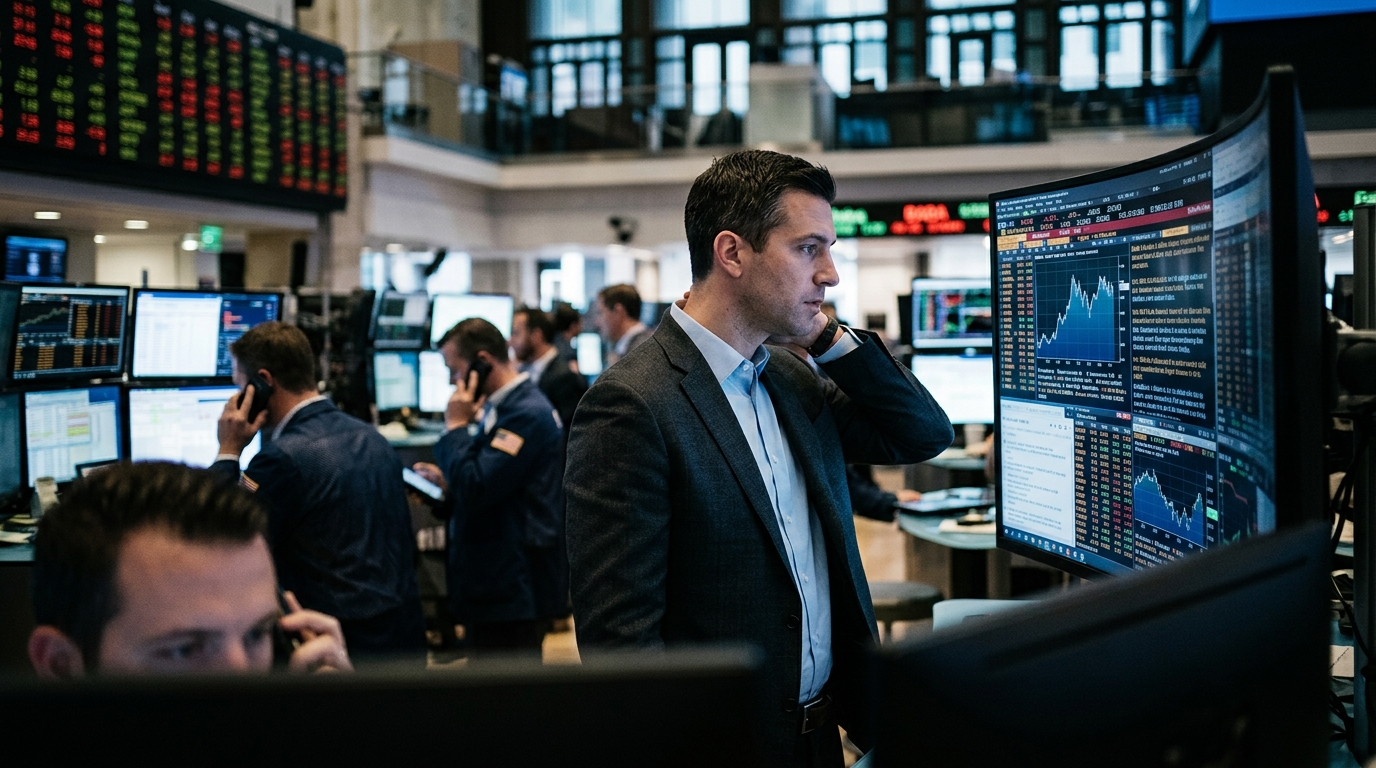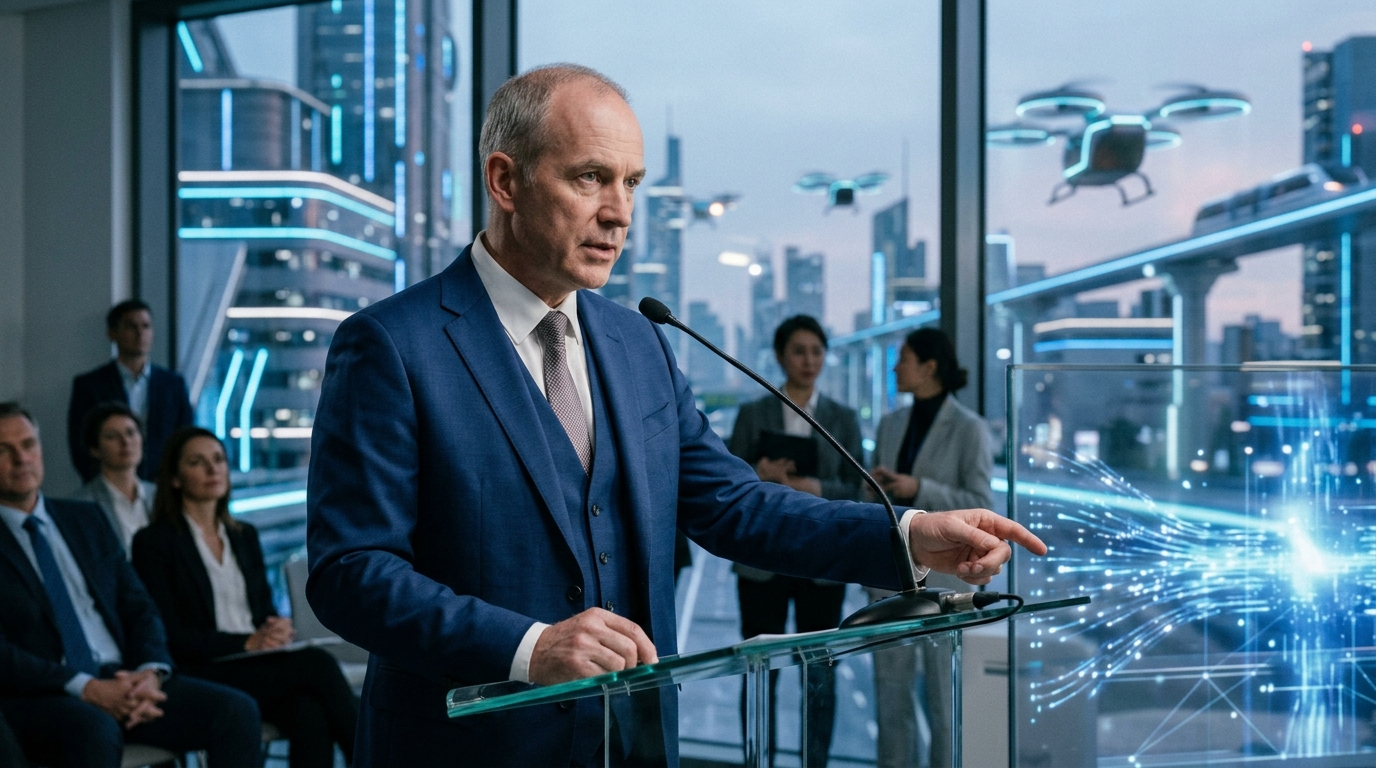
The history of technology is riddled with overpromises, but when Mustafa Suleyman—the man who co-founded DeepMind and now leads Microsoft AI—sets a timeline, the world must pause and listen. In a recent statement that sent shockwaves through the global business community, Suleyman argued that within the next 18 months, Artificial Intelligence will be capable of performing essentially every task currently classified as 'white-collar' work.
The Shift from Tools to Autonomous Agents
Until now, the use of AI, such as ChatGPT or Copilot, has been seen as complementary. It was the 'copilot' helping to draft an email or analyze an Excel sheet. However, Suleyman's prediction signals a radical shift: the transition from large language models to 'autonomous agents.' These systems will not merely suggest text; they will take action. They will close deals, manage supply chains, design marketing strategies, and resolve complex legal issues without the need for human intervention at every step.
The speed at which computing power and neural network architecture are evolving now allows AI to understand 'context' in a way that approaches human intuition. For Suleyman, the 18-month milestone is not an arbitrary date, but the tipping point where the cost of intelligence will approach zero, making human office labor economically non-viable for many corporations.
The Socio-Economic Challenge for the Global Workforce
While Silicon Valley celebrates the 'liberation' of human creativity, the reality for the middle class in Europe and the US is more complex. Modern economies, heavily reliant on services and administrative support, face an unprecedented risk. If accountants, lawyers, data analysts, and administrative staff see their duties fully automated, the question is not just 'what will they do,' but 'how will the wealth produced by these machines be redistributed?'
The European Union is attempting to regulate the landscape with the AI Act, but technology is moving at speeds that Brussels' bureaucracy struggles to match. Suleyman warns that delaying the adoption of these tools will not save jobs; instead, it will make entire economies uncompetitive on the global stage. The friction between labor protection and technological necessity is reaching a boiling point.
"This is not a simple software upgrade. It is the discovery of a new form of digital labor that never tires, never strikes, and improves every single second," industry analysts suggest.
The Productivity Paradox
There is, however, another side to the story. If Suleyman's prediction holds true, we could witness a productivity explosion unlike anything seen since the Industrial Revolution. Small and medium-sized enterprises (SMEs) could gain access to 'armies' of digital employees at a minimal cost, leveling the playing field against corporate giants. The challenge remains education: systems still based on rote learning and basic office skills are becoming obsolete before students even graduate.
In conclusion, Suleyman's 18-month window is a wake-up call. Whether it is a bold prediction aimed at impressing investors or an accurate assessment of our technological trajectory, one thing is certain: the nature of work is changing irrevocably. Adaptation is no longer an option; it is a matter of survival. We are entering an era where 'thinking' is a commodity, and 'doing' is increasingly automated.