At the epicenter of the digital revolution, where silicon meets imagination, Jensen Huang, the visionary leader of Nvidia, is broadcasting a message designed to soothe global anxieties. While the specter of mass unemployment due to Artificial Intelligence (AI) looms over labor markets, Huang argues the exact opposite: we are on the threshold of a new "golden age" where technology does not replace humans but provides them with the tools to excel.
Huang’s rhetoric is not merely a corporate stance; it is a philosophical approach to the future of work. According to him, AI will democratize the ability to create, allowing people without technical backgrounds to program, design, and solve complex problems using only their natural language. This transition from "code" to "conversation" represents, in Huang's view, the greatest opportunity in human history.
Programming for Everyone: Language as the New Tool
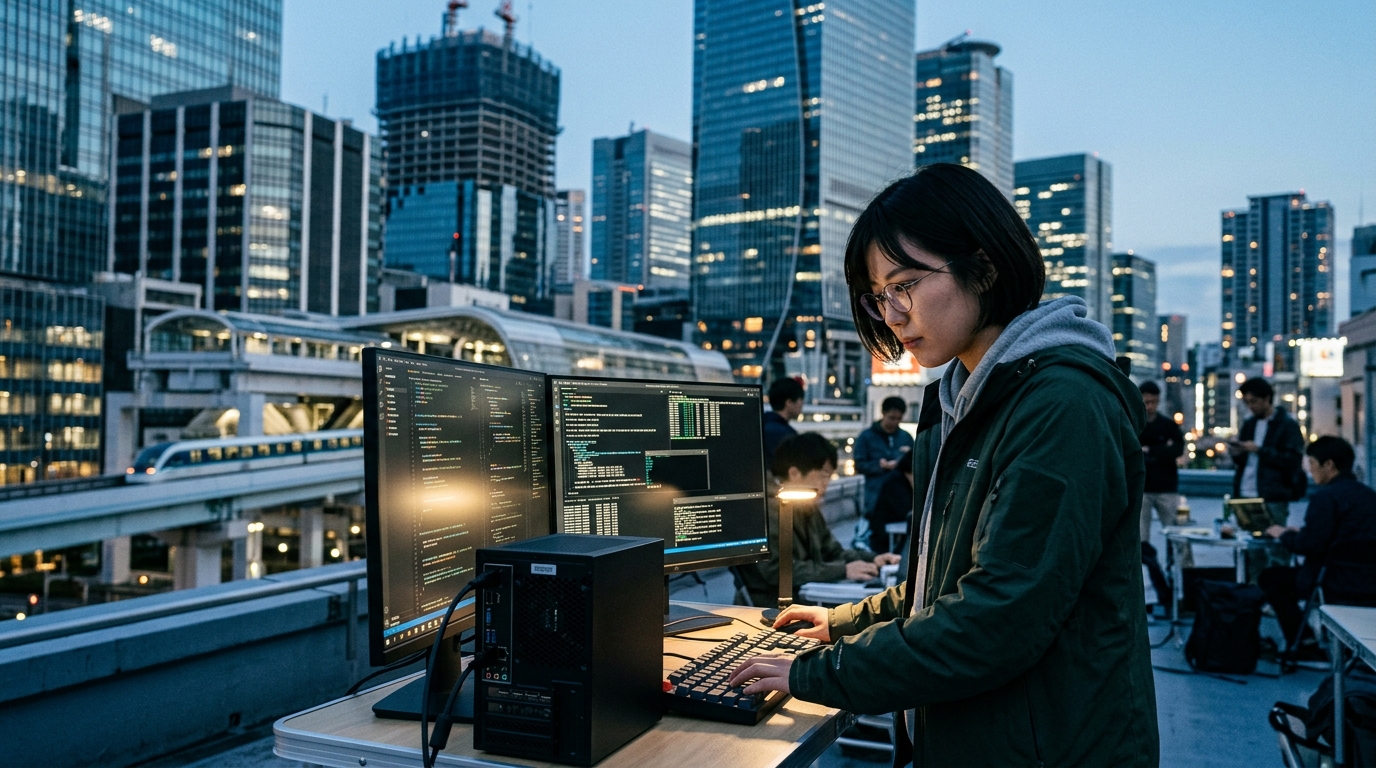
For decades, the tech world was divided into those who knew how to "speak" to machines and everyone else. Huang contends that this divide is closing permanently. "We have reached a point where everyone is a programmer," he famously stated. The ability of Generative AI to transform descriptive instructions into functional software means that creativity and strategic thinking are becoming the most valuable currencies in the job market.
This evolution does not mean programmers will disappear, but rather that their roles will escalate to "system architects." Similarly, professionals from other sectors—from agriculture to medicine—will be able to leverage the computational power of Nvidia and AI models to accelerate their discoveries. AI acts as a "copilot" that handles repetitive and arduous tasks, leaving judgment and ethical direction to the human operator.
The New Industrial Revolution and "AI Factories"
Huang likens the current period to the first Industrial Revolution. Just as the steam engine converted energy into motion back then, today's data centers are transforming into "AI factories" that produce intelligence. This "intelligence as a service" will be the foundation for every future business. Nvidia is no longer just selling graphics cards; it is selling the infrastructure upon which the new global economy will be built.
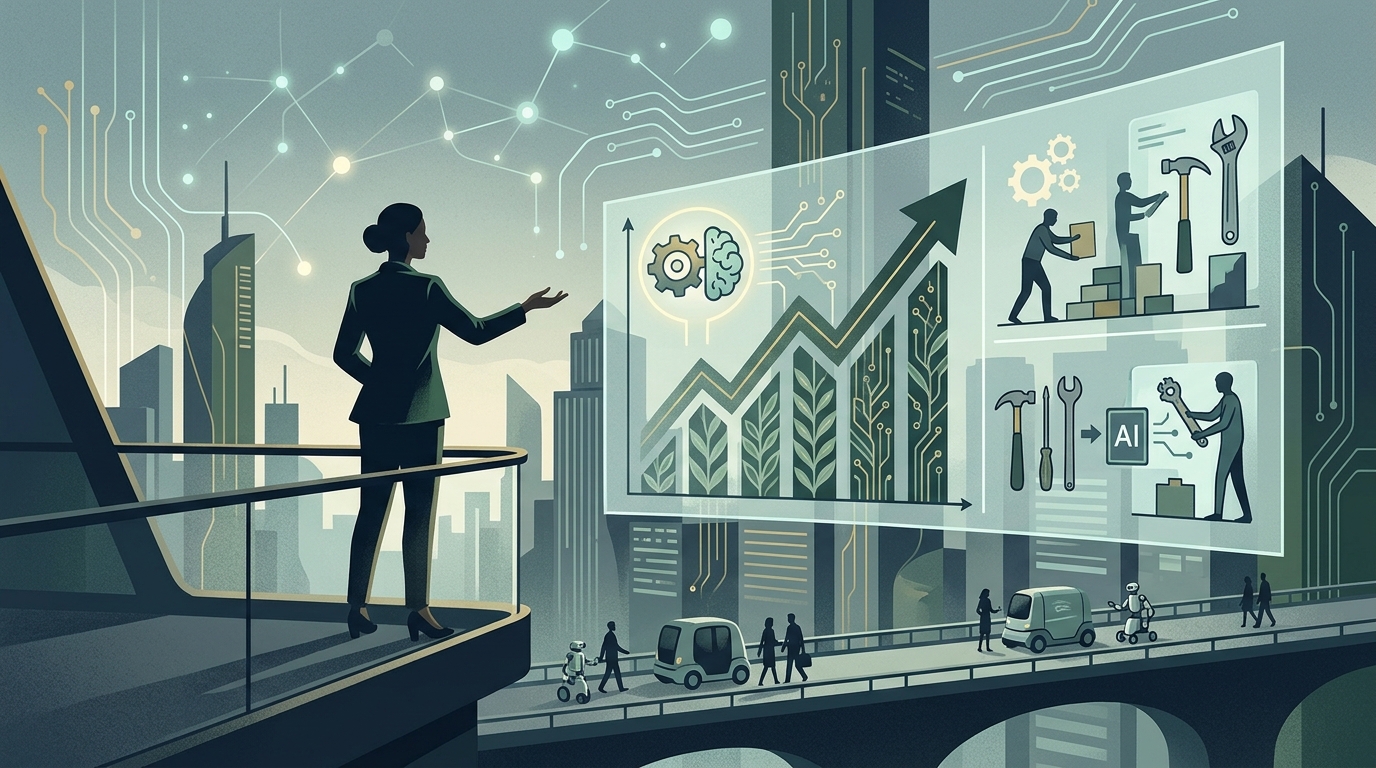
Huang’s analysis focuses on the fact that every time technology has made labor more efficient, the demand for that labor has increased, leading to new jobs that were previously unthinkable. For example, the advent of the internet destroyed some jobs but created millions of others in digital marketing, cybersecurity, and the platform economy. AI is expected to follow the same path, creating roles such as "model trainers," "AI ethics curators," and "prompt engineers."
The Challenge of Adaptation: Run, Don't Walk
Huang’s message to the younger generation is clear and urgent: "Run to catch up with AI, don't walk." Inertia is the only real danger. Those who refuse to integrate AI tools into their daily lives will find themselves at a disadvantage—not because AI will take their jobs, but because someone else who knows how to use AI better than they do will.
In this context, education must be radically overhauled. It is no longer enough to memorize facts; one must cultivate critical thinking and the ability to collaborate with intelligent systems. Countries that have traditionally been slow to adopt technological changes are at a crossroads. Embracing Huang’s vision could be the springboard for a new era of innovation and global competitiveness.
- AI eliminates the coding barrier, making natural language the new programming tool.
- Productivity will skyrocket, allowing workers to focus on creative and strategic tasks.
- Nvidia is promoting the "AI Factory" model to produce digital intelligence for every industry.
- The risk is not the technology itself, but the lack of adaptability to new conditions.
In conclusion, Jensen Huang invites us to view AI not as a competitor that threatens us, but as a powerful ally. The "opportunity of a lifetime" he refers to lies in liberating the human spirit from the shackles of routine. History will show if his optimism is justified, but for now, Nvidia remains the undisputed navigator on this journey into the unknown.