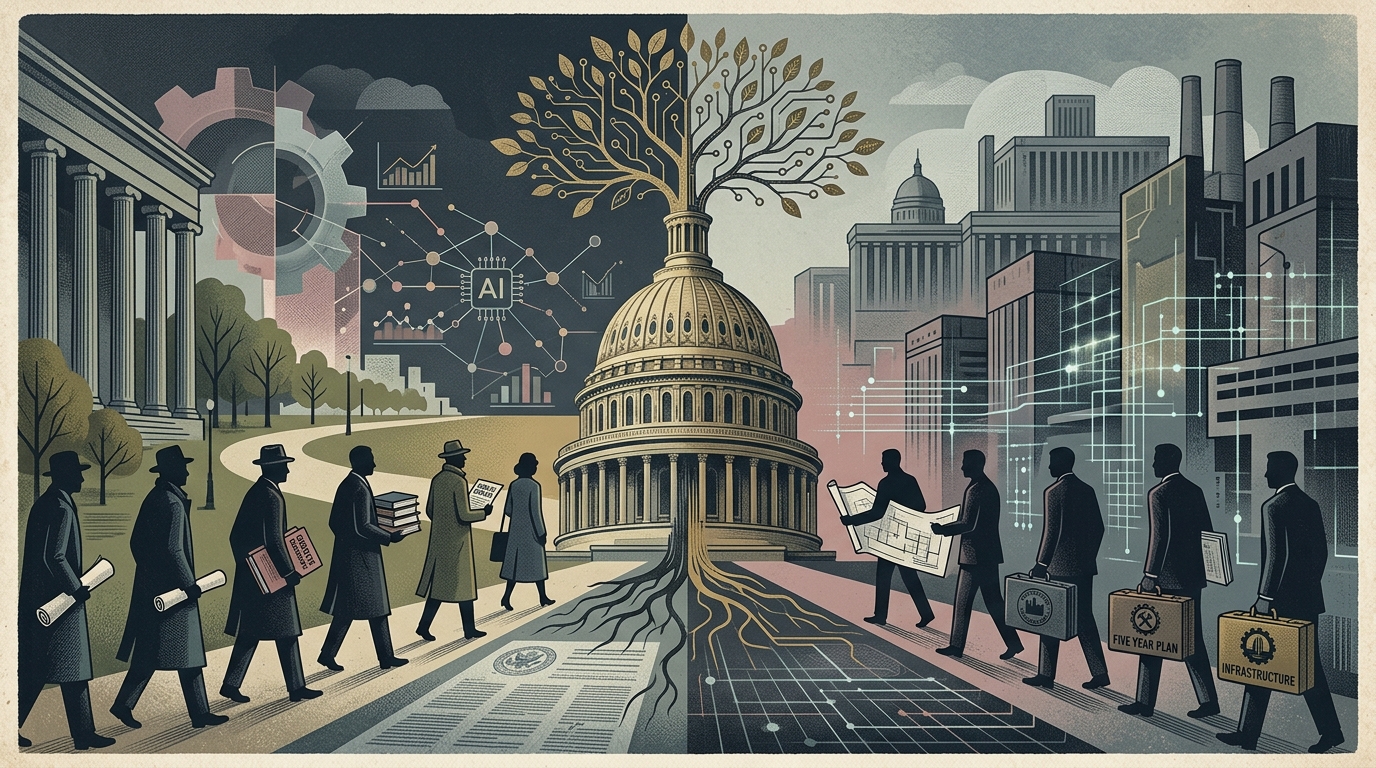
In an era where technology is redefining every facet of economic activity, the Institute of Chartered Accountants of India (ICAI) is undertaking a bold and necessary reform. The decision to integrate Artificial Intelligence (AI) and Data Analytics into the Chartered Accountancy (CA) curriculum is not merely a technical upgrade; it represents a fundamental paradigm shift for one of the world's most traditional professions.
The Evolution of the Modern Auditor
Historically, the role of a Chartered Accountant was synonymous with bookkeeping, historical auditing, and regulatory compliance. However, the sheer volume of digital transactions today has rendered traditional sampling methods obsolete. The ICAI recognizes that tomorrow's professional must be equipped with tools capable of analyzing 100% of a company's data in real-time, identifying anomalies and patterns that the human eye would inevitably miss.
The introduction of these technologies into the curriculum aims to cultivate a new generation of accountants who are not just "number crunchers" but strategic advisors. The ability to interpret AI-driven findings and transform raw data into actionable business intelligence is now the minimum requirement for survival in the global labor market.
Beyond Spreadsheets: The Power of Predictive Analytics
Data Analytics allows accountants to move from "descriptive" accounting (what happened) to "predictive" accounting (what is going to happen). By utilizing machine learning algorithms, ICAI students will be trained to forecast cash flows, assess credit risks with greater precision, and detect potential fraud before it causes irreparable damage.
- Audit Automation: Using AI to verify millions of entries within seconds.
- Data Mining: Identifying hidden correlations that impact profitability.
- Blockchain and Transparency: Understanding distributed ledgers as a tool for absolute data integrity.
This shift also requires a change in mindset. Students are not expected to become programmers, but rather "translators" of technology. They must understand the logic behind the algorithm, recognize data biases, and ensure that technology is deployed ethically.
Ethical Implications and the Human Element
Despite the excitement surrounding technological progress, the ICAI emphasizes that AI cannot replace professional judgment. Ethics remain the cornerstone of the profession. New CAs will be taught how to manage the dilemmas arising from automated decision-making. Who is responsible if an AI model fails to detect a financial collapse? How is client confidentiality maintained in a Big Data environment?
"Technology is the tool, but integrity is the compass. An accountant who understands AI is powerful, but an accountant who controls it ethically is irreplaceable," sources within the Institute suggest.
Global Competitiveness and the Indian Context
India is one of the largest reservoirs of financial talent in the world. By upgrading the curriculum, the ICAI aims to make Indian CAs the first choice for multinational corporations and international auditing firms. In a globalized economy, knowledge of International Financial Reporting Standards (IFRS) must now be coupled with digital proficiency.
This move is expected to influence other professional bodies across Asia and Europe, prompting them to accelerate their own reforms. The message is clear: accounting is no longer a science of the past, but a technologically advanced discipline of the future.