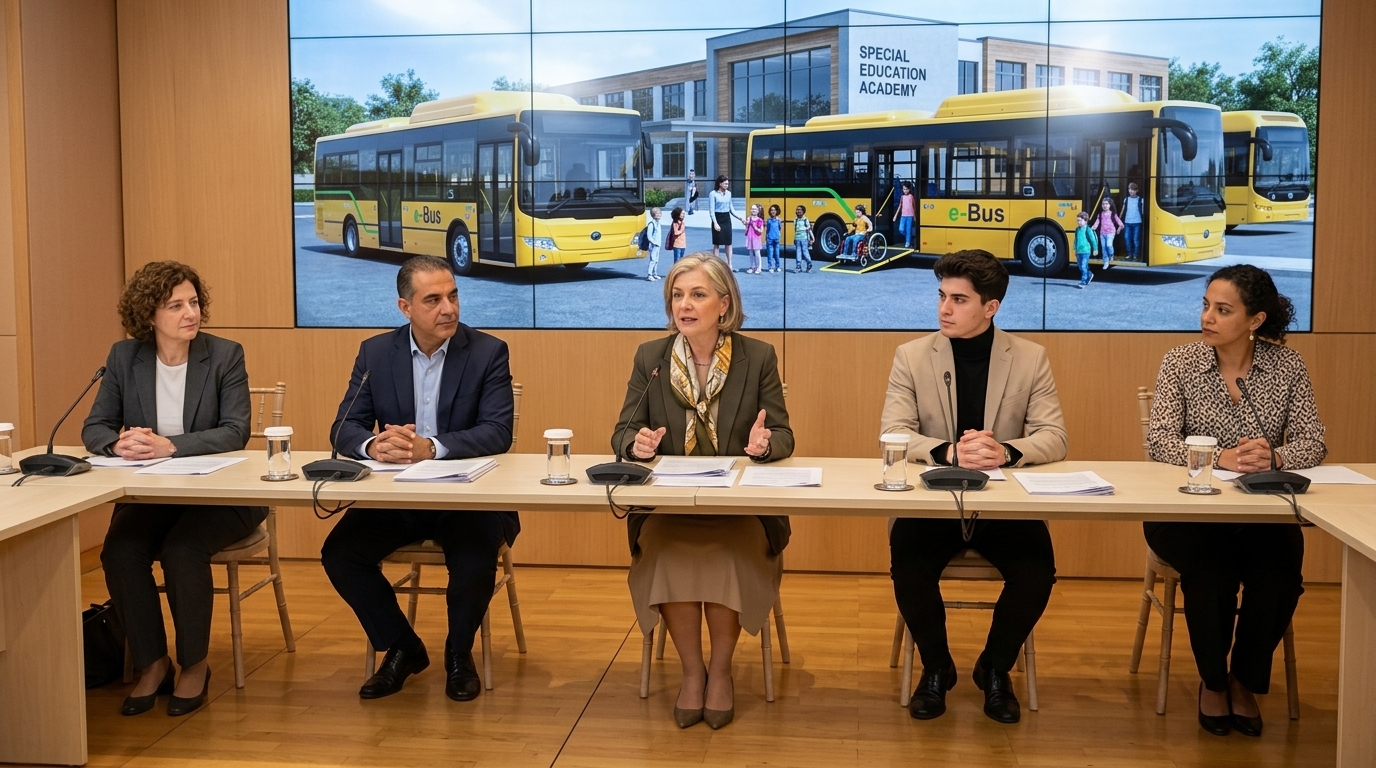
In a move that seamlessly blends social sensitivity with technological innovation, the Greek Ministry of Education, Religious Affairs, and Sports has announced the procurement of 706 new electric and hybrid school buses. This initiative, aimed at serving 11,000 students attending Special Education and Training Schools (SMEAE), represents the largest fleet renewal in the country's history. This project is not merely about replacing aging vehicles; it is about establishing a new model of inclusive mobility that respects both the environment and the unique needs of children.
The Strategic Importance of the Investment
The announcement, made during a cross-ministerial press conference, highlights the government's commitment to modernizing special education infrastructure. For decades, the transportation of students with disabilities or special educational needs has been a persistent challenge, often relying on fragmented private contracts and a fleet that did not always meet modern safety and accessibility standards. By introducing 706 state-owned vehicles, the state acquires a powerful tool to ensure seamless access to education.
The choice of electric and hybrid technology is deliberate. It aligns with the broader framework of the "green transition" and the reduction of the carbon footprint of public transport. These new buses are expected to drastically reduce emissions in urban areas, where the majority of school routes are concentrated, while simultaneously improving air quality around school complexes.
Technical Specifications and Accessibility
These new buses are not just "eco-friendly"; they are designed with the passenger in mind. According to the specifications, the vehicles will feature:
- Specialized ramps and lifting systems for wheelchairs.
- Telematics systems for real-time route monitoring by parents and administration.
- Advanced Driver Assistance Systems (ADAS) to prevent accidents.
- Climate control and ergonomic seating tailored to student needs.
The integration of AI technology in route management will allow for optimized scheduling, reducing the time children spend on the bus—a critical factor for students with certain conditions who are adversely affected by long commutes.
Challenges and Implementation
Despite the enthusiasm, the implementation of such a large-scale project comes with challenges. The primary concern involves charging infrastructure. For electric buses to operate effectively, charging stations must be installed in depots or school premises, requiring coordination with Municipalities and the Hellenic Electricity Distribution Network Operator (HEDNO). Furthermore, training drivers and attendants in the use of these new systems is a prerequisite for the project's success.
"Investing in special education is a mirror of our civilization. With these new buses, we aren't just transporting students; we are sending the message that every child has the right to dignified and safe access to knowledge," Ministry sources stated.
The project is largely funded by the Recovery and Resilience Facility (RRF), demonstrating the effective use of European resources for actions with immediate social impact. The gradual rollout of the vehicles is expected to begin within the next year, radically changing the daily lives of thousands of families who have previously struggled with transportation issues.
Conclusions: Toward an Inclusive Future
The procurement of 706 buses is a bold step. In an era where AI and green technology dominate discussions about the future, their application in special education proves that progress can have a human face. The program's success will be judged by the consistency of its implementation and fleet maintenance, but the starting point is undoubtedly promising. Greece is showing that it can align with European standards, offering its most vulnerable students the tools they deserve for a better life.