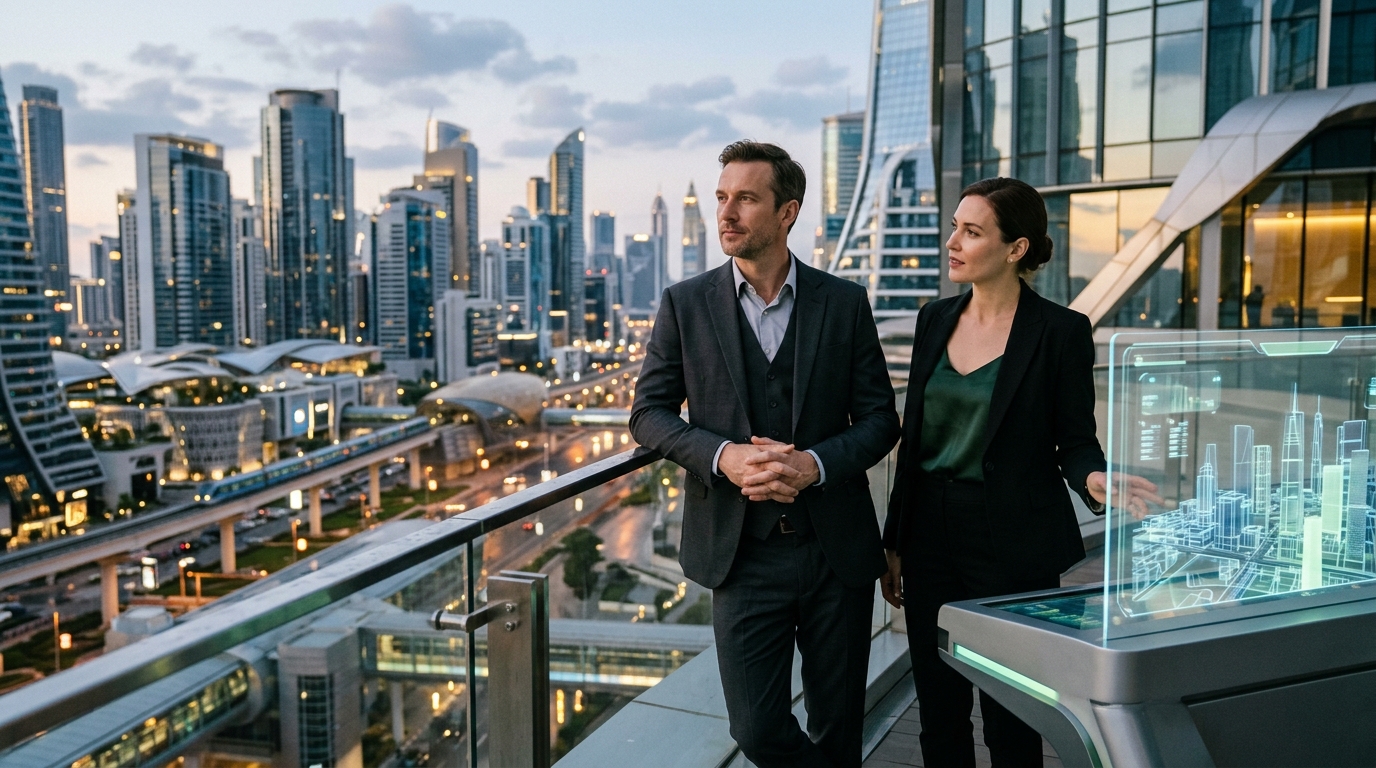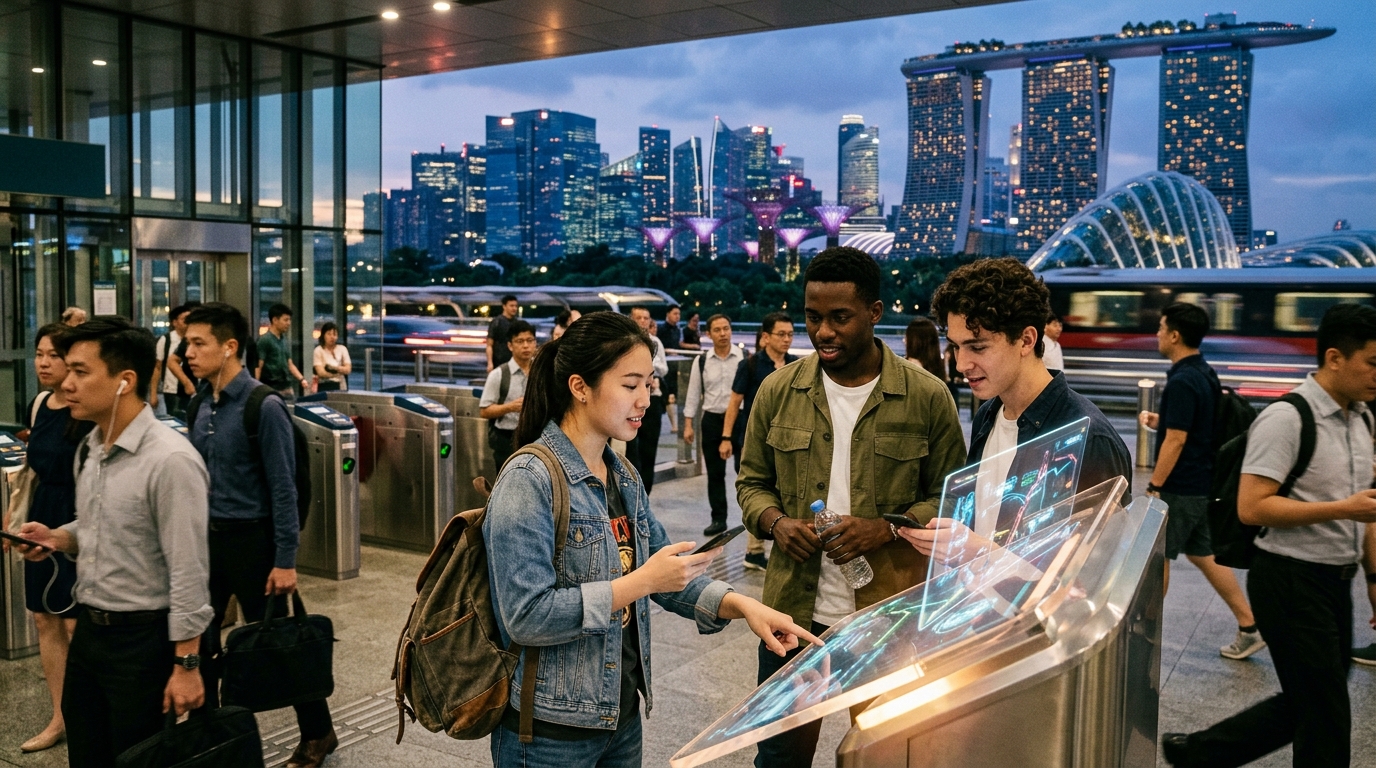
The tourism industry is standing at the precipice of a historic transformation. This is not merely a post-pandemic recovery; it is a structural redesign driven by two formidable forces: the rise of Generation Z (Gen Z) as a dominant consumer power and the explosive integration of Artificial Intelligence (AI) into every facet of the travel experience. Today, in 2026, the traditional travel agent has been largely superseded by algorithms, and the "tourist" has evolved into a "data-driven explorer."
Gen Z and the Search for Authenticity via Algorithms
For Gen Z, travel is not just an escape; it is a tool for identity construction and social capital. These young travelers, who grew up with smartphones as extensions of their hands, reject standardized vacation packages. According to recent market research, over 70% of Gen Z travelers seek "authentic" experiences that are not found in traditional guidebooks. However, a paradox exists: they seek this authenticity through the most sophisticated digital tools available.
TikTok and Instagram are no longer just entertainment platforms; they have become the primary search engines for destinations. The "travel dupe" trend—finding more affordable and less crowded alternatives to famous hotspots (e.g., Paros instead of Mykonos)—has exploded due to the viral nature of social media information. Gen Z demands sustainability, inclusivity, and ethical tourism, and they use technology to verify whether businesses are keeping their promises.
The Generative AI Revolution
If Gen Z is the driver, Artificial Intelligence is the engine. Generative AI has evolved from a simple chatbot into a hyper-personalized digital concierge. Currently, platforms like Expedia and Booking.com utilize AI models that don't just suggest hotels; they synthesize entire itineraries based on user preferences, budget constraints, and real-time data like weather patterns or local festivals.
- Hyper-personalization: AI analyzes thousands of data points in seconds to recommend the perfect restaurant for a jazz-loving vegan traveler in the heart of Lisbon.
- Dynamic Pricing: Airlines and hotels now use predictive AI models to adjust prices in real-time, offering "smart" discounts during low-demand periods to optimize occupancy and revenue.
- Breaking Language Barriers: Real-time AI translation has virtually eliminated language obstacles, allowing travelers to explore remote areas without the fear of miscommunication.
This technological invasion is not limited to planning. In the "smart" hotels of 2026, facial recognition replaces the check-in desk, and AI adjusts room lighting and temperature before the guest even enters, based on their pre-synced digital profile.
The Economic Shift: From Sun and Sea to Data and ROI
The economic implications of this shift are profound. We are witnessing the rise of the "Efficiency Economy" in travel. AI allows hospitality businesses to reduce operational costs through automated guest services and optimized resource management. For major players, the focus has shifted from mass marketing to precision targeting. The ability to predict consumer behavior through AI translates directly into higher conversion rates and customer loyalty.
"Tourism is no longer a static service provision but a dynamic management of experiences and data. Those who fail to speak the language of algorithms will find themselves erased from the maps of the new generation," say industry analysts.
For destinations like Greece, this means a necessary pivot. The traditional "sun and sea" model is being challenged by the demand for digitized, sustainable, and unique experiences. Investing in AI-driven infrastructure is no longer a luxury; it is a prerequisite for economic survival in a competitive global market.
Conclusion: The Balance Between Tech and the Human Touch
Despite the dominance of AI, the future of tourism remains deeply human. Gen Z uses AI to remove the friction from travel—handling bookings, logistics, and translations—so they can dedicate more time to meaningful connections with the destination and its people. The challenge for industry professionals is to use technology as a bridge rather than a barrier. AI can predict what a traveler wants, but only genuine hospitality can make them feel truly welcome. As we move further into 2026, the winners will be those who master the high-tech, high-touch balance.