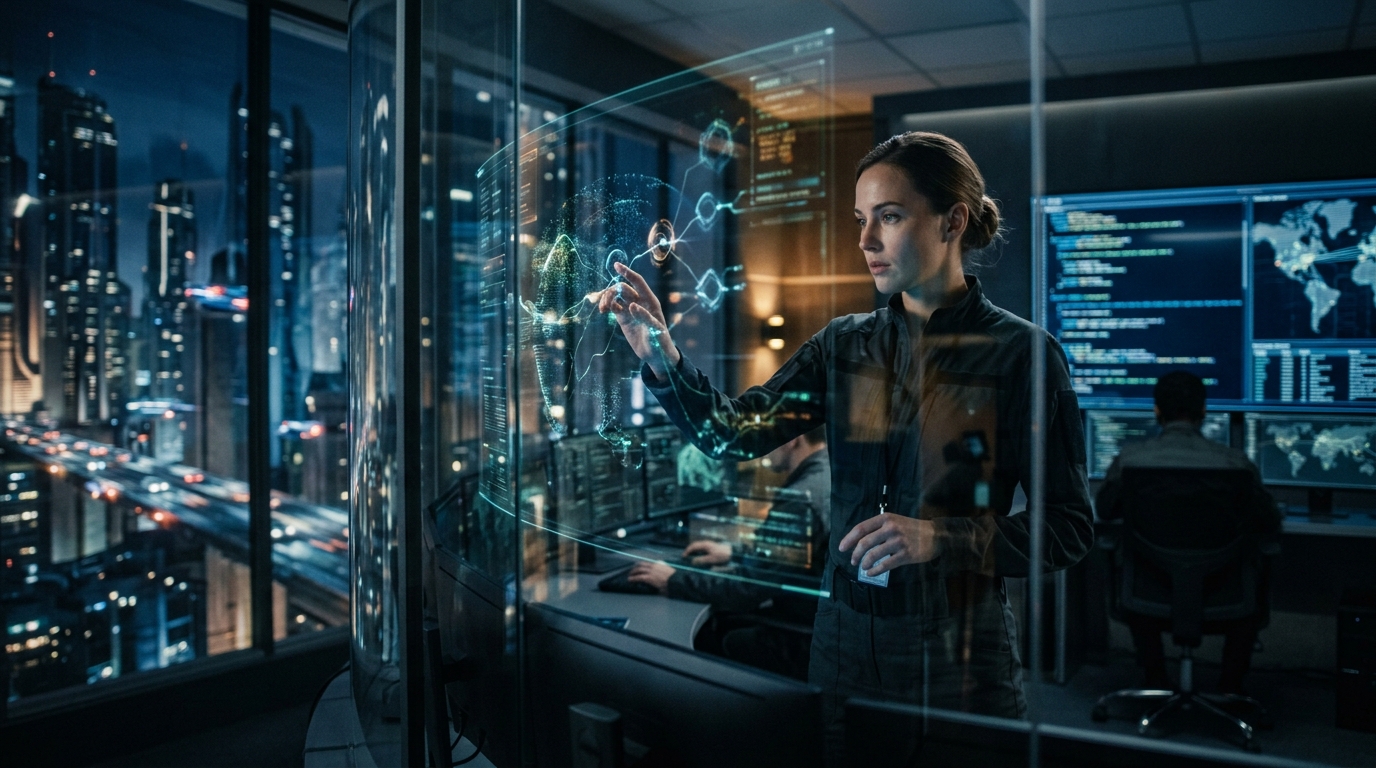
In the rapidly evolving technological landscape, cyber-security is no longer a static process of "walls and moats." We stand at the threshold of a new era where Artificial Intelligence (AI) is not merely a tool but the general leading the digital battlefield. As a recent analysis by The Economist highlights, the transition from traditional cyber-defense to AI-driven security marks the most significant turning point in the history of information technology.
The Democratized Threat: AI in the Hands of Hackers
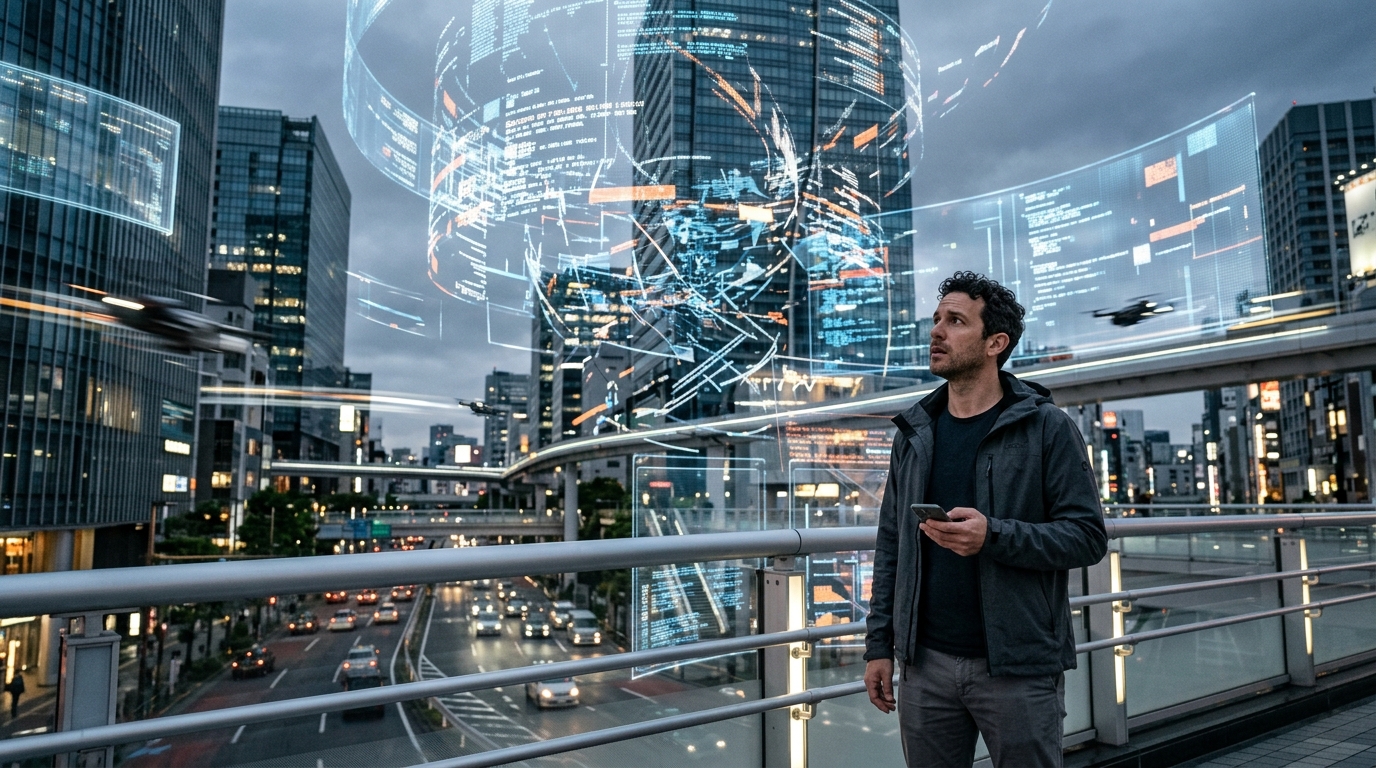
For decades, sophisticated cyber-attacks required armies of skilled developers and immense resources. Today, Large Language Models (LLMs) have flipped this equation. A mediocre hacker can now use AI to write polymorphic malware that alters its code to evade detection, or create phishing campaigns so convincing that even the most cautious users could be deceived.
So-called "social engineering" has reached a new level of complexity. Using audio and video deepfakes, attackers can impersonate executives in real-time, persuading employees to transfer funds or reveal sensitive credentials. The scale and speed of these attacks are unprecedented. What once took weeks of planning is now executed in seconds by algorithms.
The Autonomous Defender: Systems Strike Back
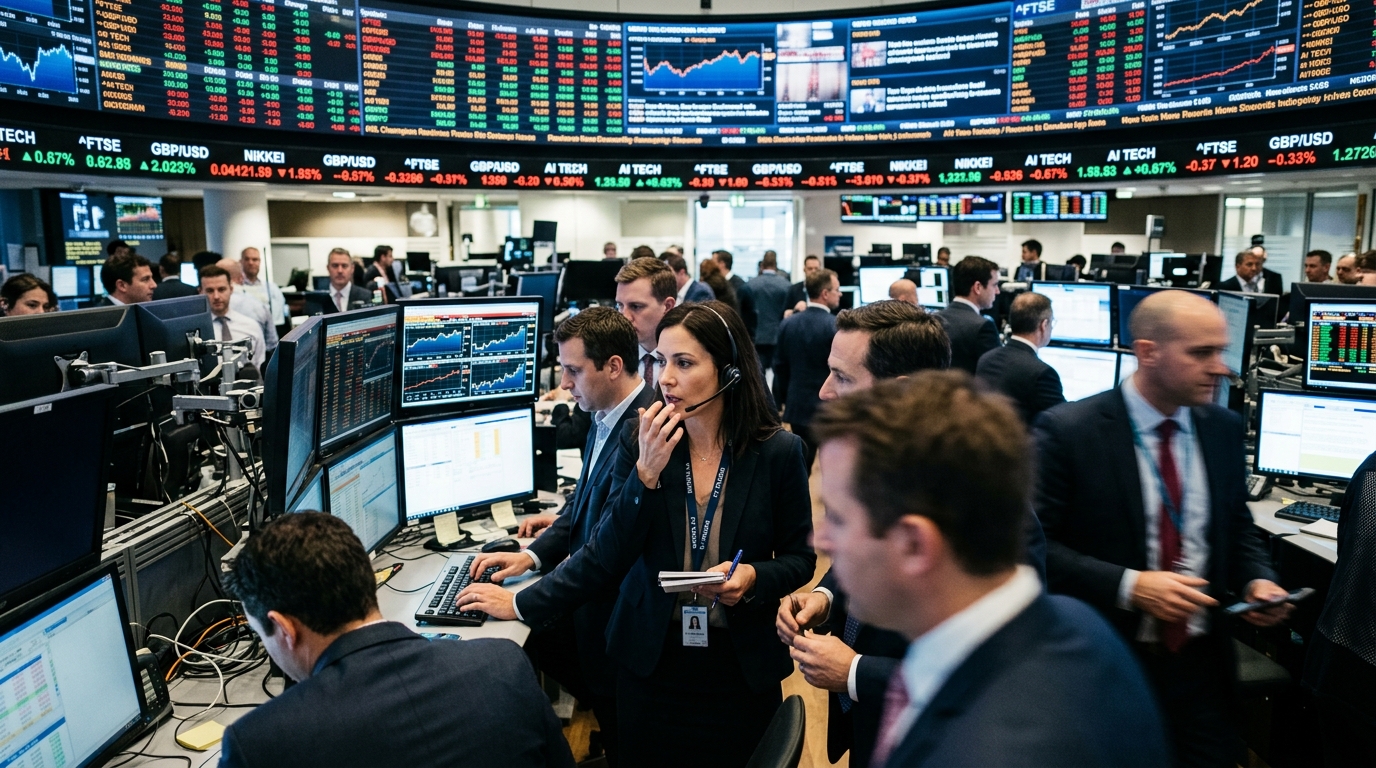
However, AI is not just the attacker's weapon; it is the defender's strongest shield. Modern Security Operations Centers (SOCs) are overwhelmed daily by millions of alerts, far exceeding human capacity. This is where AI steps in, capable of analyzing vast volumes of network traffic data in real-time, identifying anomalies that signal an intrusion before it is even completed.
- Predictive Analytics: AI systems can predict where hackers will strike by analyzing global attack patterns.
- Automated Response: In the event of a ransomware attack, AI can isolate affected systems in fractions of a second, mitigating the damage.
- Auto-patching: AI can scan a company's code, identify security vulnerabilities, and write the necessary patch automatically.
This automation is redefining the role of the human analyst. Instead of hunting for viruses, humans are becoming the overseers of a self-healing ecosystem. The "Zero Trust" strategy is bolstered by AI, as user identification no longer relies solely on passwords but on biometric patterns and behavioral analytics that are nearly impossible to forge.
Geopolitics and the AI Arms Race
At a national level, AI-driven cyber-security has become a matter of national sovereignty. Major players like China, Russia, and the US are investing billions into autonomous "cyber-weapons." The fear of a "digital Hiroshima" is no longer science fiction. If an AI manages to paralyze a nation's power grid or financial system without human intervention, the consequences would be catastrophic.
"The battle for cyber-security will be won or lost in data centers, not on battlefields. The algorithm that learns faster than its opponent will be the one that prevails," the analysis notes.
The lingering question is whether we can fully trust one AI to protect us from another. The possibility of "false positives," where AI blocks legitimate activities by misidentifying them as attacks, remains a constant challenge for businesses. Furthermore, there is the risk of "data poisoning," where hackers manipulate the training data to teach defensive AI to ignore specific types of attacks.
Conclusion: The Human-Machine Symbiosis
The future of cyber-security is neither purely human nor purely algorithmic. It is a hybrid state. Judgment, ethics, and strategic thinking remains human prerogatives, but speed and processing power belong to the machines. As we move toward 2030, the success of every organization will depend on how effectively it can integrate AI into its defensive lines, recognizing that the adversary is utilizing the exact same technology.