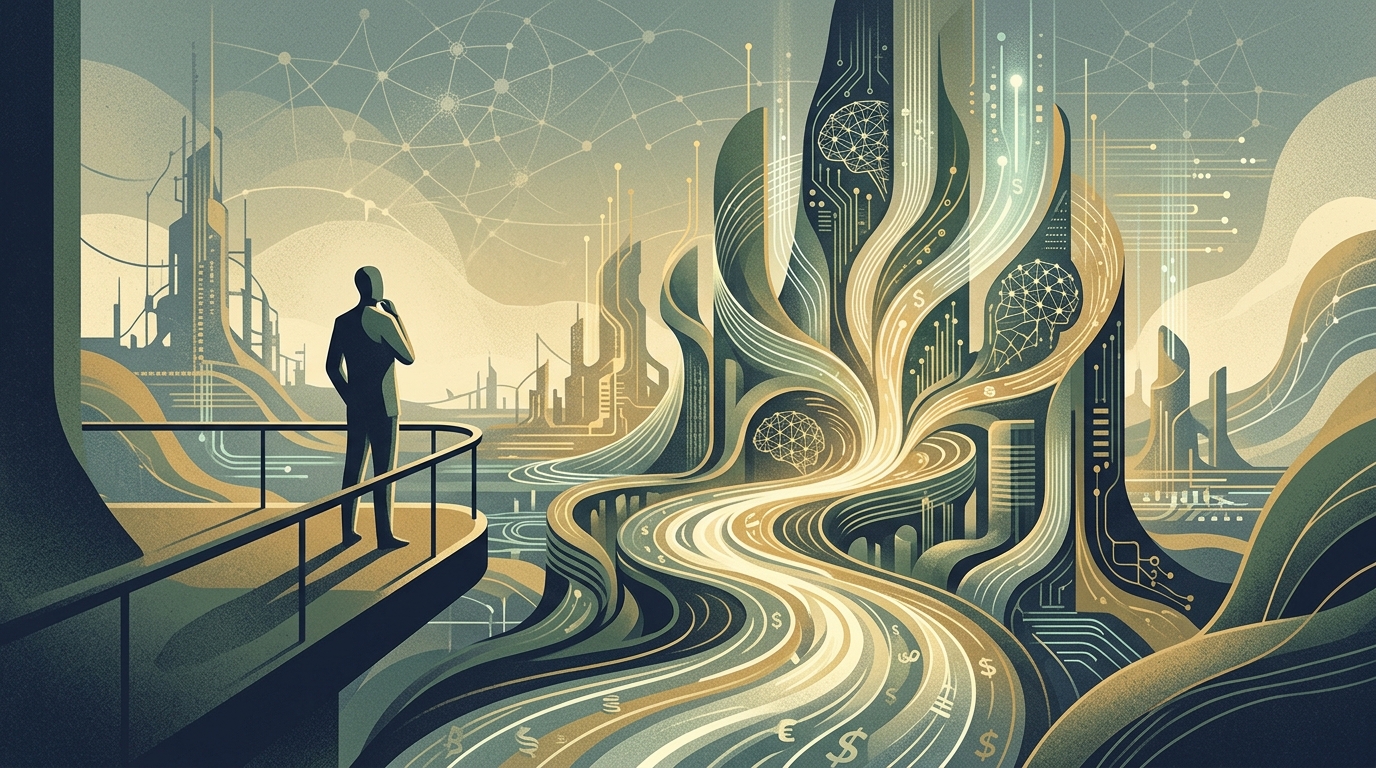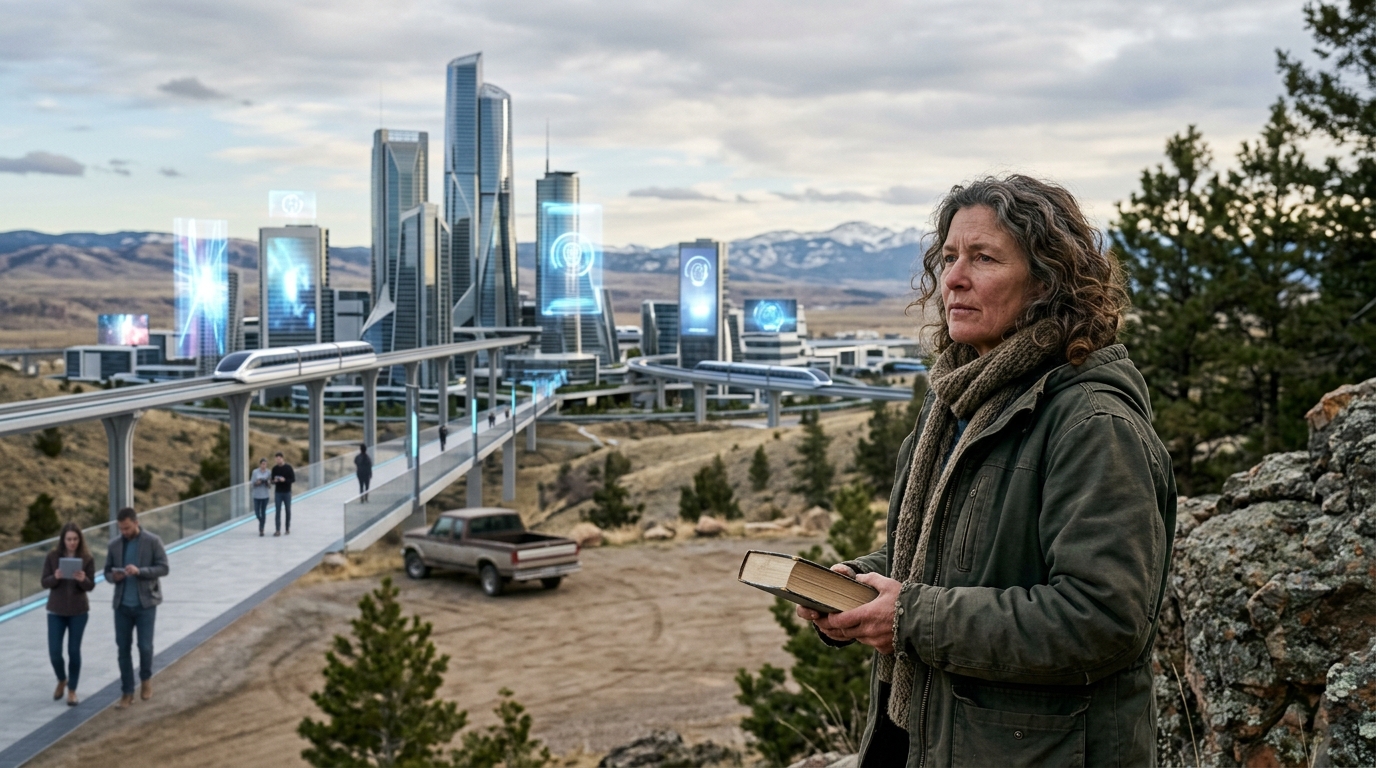
In the heart of the American West, where the jagged peaks of Wyoming pierce the horizon with raw majesty, a quiet but profound cultural clash is unfolding. This is not a battle fought with weapons, but a struggle for attention, autonomy, and the very essence of the human experience. As Artificial Intelligence (AI) and the ubiquitous connectivity of smartphones reshape the planet, a segment of the population is choosing the path of conscious abstention, seeking refuge in places where cellular signals are weak and the presence of tech elites elicits more skepticism than awe.
The Digital Desertification of Human Contact
Wyoming, the least populous state in the U.S., has become the setting for a paradoxical contradiction. On one hand, it serves as a sanctuary for Silicon Valley billionaires purchasing vast tracts of land to escape the very world they helped create. On the other, permanent residents and modern-day 'ascetics' view this invasion as a threat to authenticity. The use of smartphones is no longer just a communication tool; it is an algorithm mediating between the individual and their environment. In Wyoming, the effort to 'dodge smartphones' is an act of resistance against digital surveillance and the commodification of human attention.
Artificial Intelligence adds a new layer to this equation. If smartphones distract us from the present, AI promises to replace the very need for critical thinking and creativity. For critics of this evolution, AI is not progress but a form of 'cognitive atrophy.' When an algorithm decides what we see, what we read, and how we navigate space, the concept of free will begins to erode. In the open plains of Wyoming, the absence of these digital shackles allows for a return to basic senses: the sound of the wind, the texture of the soil, and unmediated human conversation.
The Billionaire Invasion and Landscape Alteration
The presence of billionaires in Jackson Hole and other parts of the state is not merely an economic issue; it is cultural. These individuals bring with them a culture of 'maximum efficiency' and 'continuous optimization' through technology. However, nature cannot be optimized. The attempt to transform the Wild West into a controlled, digitally mapped resort clashes with the ethics of autonomy that define the region. Residents who avoid billionaires are essentially avoiding a life model that prioritizes capital and data over community and tradition.
- Skyrocketing real estate prices are displacing the working class, creating luxury 'ghost towns.'
- Reliance on AI in financial services and land management alienates people from traditional ways of living.
- 'Digital detox' is evolving from a luxury into a survival necessity for mental health.
AI: The End of Authentic Experience?
The central question posed by this dispatch from Wyoming is whether AI can ever understand or replicate the 'wild.' The answer, for many, is a resounding no. AI relies on patterns of the past; the wild landscape and authentic human life rely on the unpredictable. Avoiding AI is not a technophobic reaction but a philosophical stance asserting that certain aspects of life must remain 'non-digitizable.'
"Technology promised to bring us closer, but in the end, it built us golden cages of pixels and algorithms. Here, among the mountains, the cage is more visible."
In conclusion, the trend observed in Wyoming serves as a harbinger of what is to come globally. As AI integrates into every facet of daily life, the value of 'disconnection' will only increase. The ability to live without the guidance of a smartphone or the prediction of an AI model will become the new symbol of freedom. Wyoming is not just a state; it is the last fortress of a humanity that refuses to become a data point on a server.