In an era where Artificial Intelligence (AI) is no longer a science fiction scenario but a daily productive reality, the predictions of the individuals who shaped our digital age carry immense weight. Bill Gates, the man who once envisioned a computer on every desk, is now turning his gaze toward the "cracks" left by automation, identifying those professional islands that will remain immune to the onslaught of large language models and robotics.
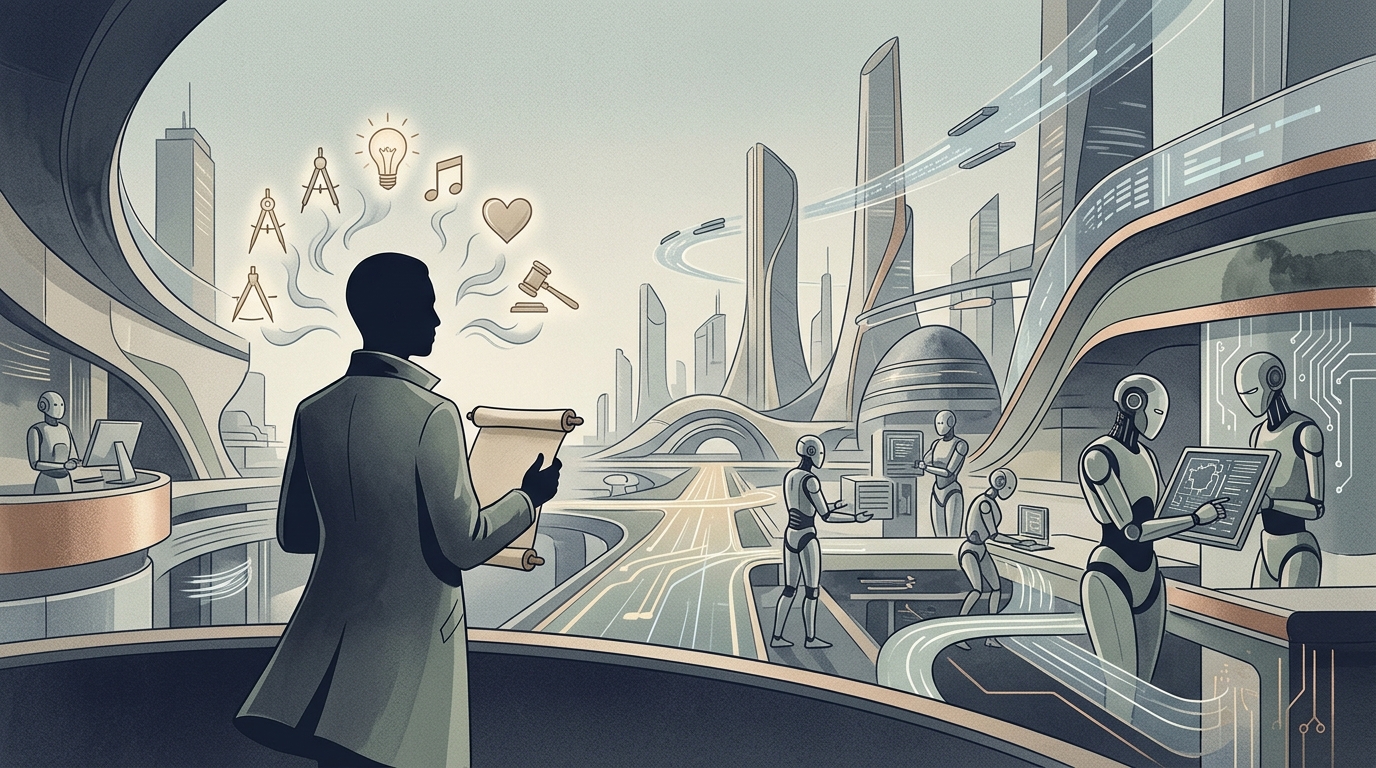
According to Gates' recent analyses, the labor market is on the verge of a structural shift unlike anything the world has seen since the Industrial Revolution. However, instead of a universal replacement of the human factor, the billionaire philanthropist sees a trend toward hyper-specialization. AI will take over repetitive, cognitive tasks, leaving humans with sectors that require deep empathy, strategic problem-solving in physical environments, and the maintenance of the technological infrastructure itself.
The Three Pillars of Job Security
Gates is clear: the education and careers of the future must align with three specific sectors. The first is Energy. As the planet transitions to a green economy to combat the climate crisis, the need for energy engineers, technicians, and strategic analysts will skyrocket. The complexity of grids and the necessity for physical intervention in infrastructure make this sector "resilient" to AI.
The second pillar is Biosciences. Although AI can accelerate drug discovery, clinical application, patient care, and the ethical management of human health require a biological understanding and an emotional connection that machines cannot fully simulate. Doctors, researchers, and nurses will see their tools improve, but their roles will remain central and irreplaceable.
Finally, the third sector is AI development and oversight itself. The development, supervision, and ethical boundary-setting of AI systems will constitute a massive labor market. We need people who understand how these systems work, not just to program them, but to ensure they serve the human good without bias or catastrophic errors.
The Return to Soft Skills and Skilled Trades
An interesting aspect of Gates' analysis, which is often overlooked, is the value of manual dexterity and emotional intelligence (soft skills). While lawyers and accountants may see much of their work automated, professions such as plumbers or electricians remain extremely difficult for robots to replace in the near future. The ability to navigate unstructured physical environments and solve unpredictable problems is, for now, an exclusively human privilege.
"AI will change the way we work, but it won't eliminate the need for human judgment and care," Gates has repeatedly stated.
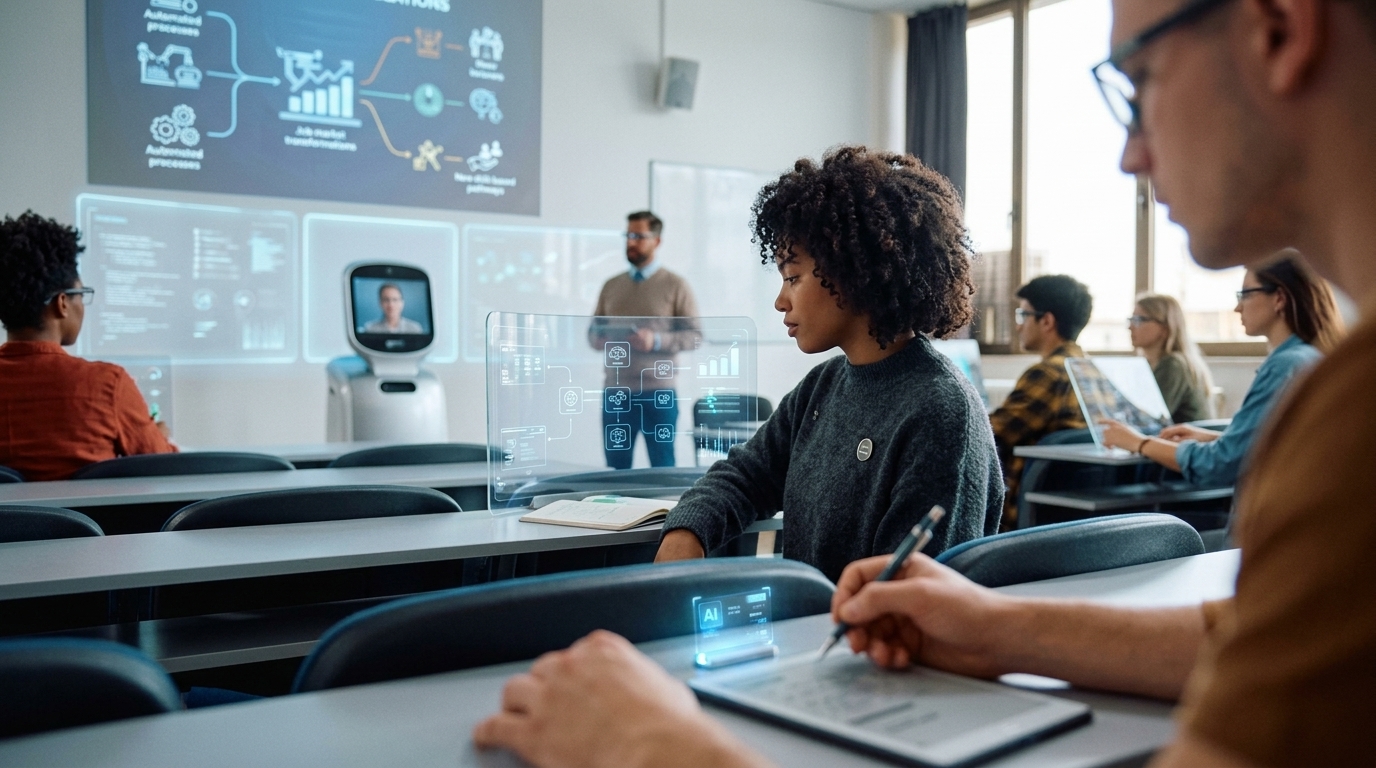
In the context of the global economy, this discussion takes on a sense of urgency. The shift suggests that the traditional "white-collar" safety net is fraying. Gates suggests a radical overhaul of learning: the rote memorization of facts is dying; critical thinking and the ability to collaborate with the machine are being born. The education system must pivot from producing "calculators" to producing "architects of solutions."
The Social Challenge and the New Social Contract
The remaining question is what happens to those who do not belong to the "lucky" three sectors. Gates argues that the productivity gains offered by AI could lead to a society with fewer working hours and more leisure time. However, this presupposes the political will to redistribute the wealth generated by algorithms—a concept often linked to Universal Basic Income or robot taxes.
The transition will not be bloodless. Governments must invest in the reskilling of middle-aged workers who see their skills becoming obsolete. Gates' prediction is not a promise of utopia, but a warning: the future belongs to those who can combine technological intelligence with human uniqueness. The era where work was merely the execution of commands is ending. The era where work becomes creation and care has just begun.