As we navigate the second half of 2026, the conversation surrounding electromobility has shifted from whether it will prevail to how quickly the transition will be completed. The heart of this change lies not in electric motors or body designs, but in chemical laboratories and massive battery production facilities. The battery revolution is now a reality, bringing promises of ranges exceeding 1,000 kilometers and charging times approaching the duration of refueling a conventional vehicle.
The Rise of Solid-State Batteries
2026 marks the entry of solid-state batteries into at least limited production. Unlike traditional lithium-ion batteries that use a liquid electrolyte, solid-state batteries utilize solid materials, eliminating fire risks and allowing for much higher energy density. Major automakers, in collaboration with tech giants, have succeeded in reducing production costs, making this technology accessible not only for premium models but also for the mid-range segment.
"The transition to solid-state batteries is the 'holy grail' of the industry. It doesn't just change performance; it changes consumer psychology by eliminating range anxiety," notes an executive from a leading European automotive group.
The Geopolitical Chessboard and Raw Materials
The battery revolution is not just a matter of engineering; it is also a matter of hard geopolitics. China's dominance in the supply chain for lithium, cobalt, and rare earths has forced the European Union and the USA to invest billions in their own 'Gigafactories' and research into alternative chemistries. Sodium-ion batteries are gaining ground in 2026, offering a cheaper and environmentally gentler solution, as sodium is abundant and easily accessible globally. This shift reduces dependence on specific geographic zones and enhances the energy security of nations.
- Energy Density: 40% increase compared to 2023.
- Charging Speed: 10-80% in less than 8 minutes for new models.
- Sustainability: New recycling methods allow for the recovery of 95% of materials.
Circular Economy and 'Urban Mining'
One of the greatest challenges of electromobility has always been the environmental footprint of battery production and disposal. In 2026, the concept of 'urban mining' has become a central pillar of the industry. Old batteries are no longer considered waste but valuable resources. With the introduction of the 'Battery Passport' in the EU, every accumulator is tracked from material extraction to final recycling. Recycling plants in Europe are now capable of producing 'green lithium,' which has an 80% lower carbon footprint than mined lithium.
Impact on the Power Grid: Vehicle-to-Grid (V2G)
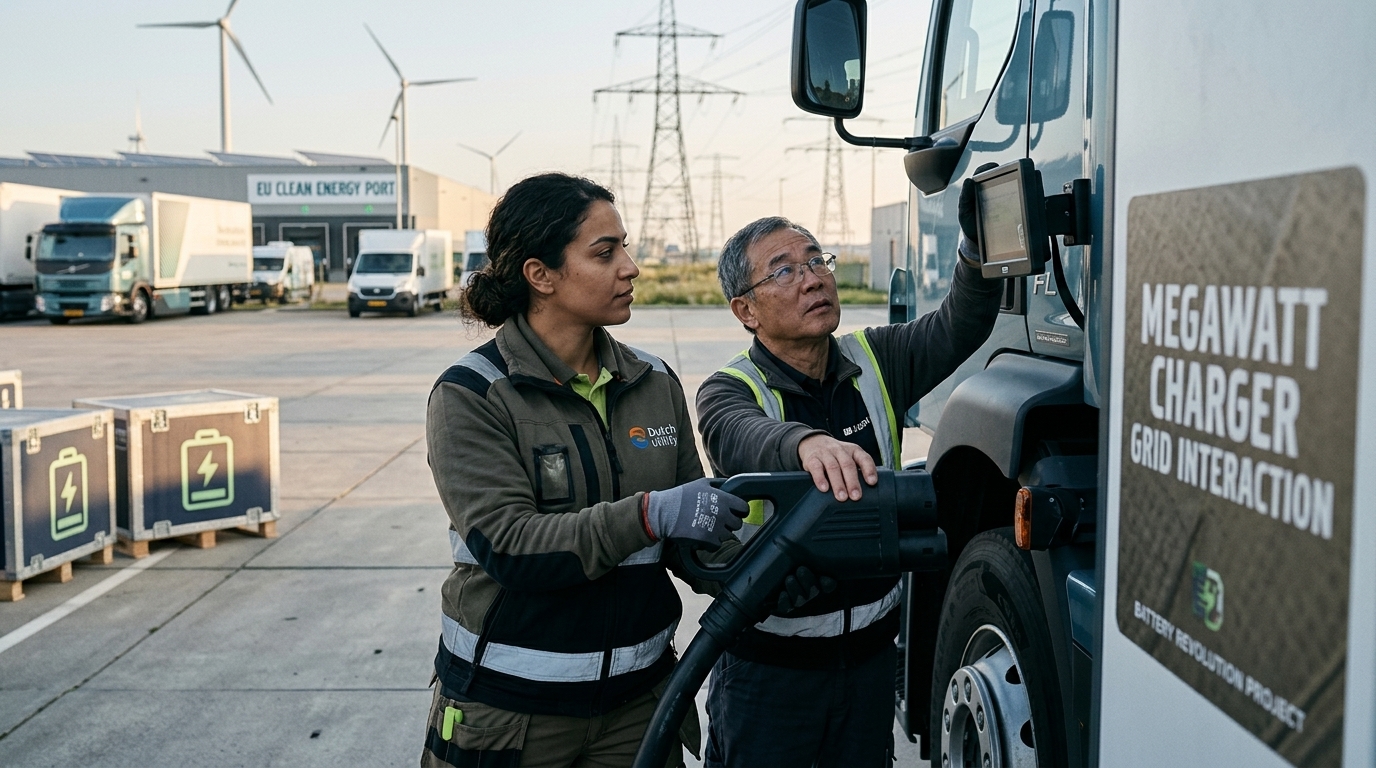
The evolution of batteries is transforming cars into mobile energy storage units. With V2G technology, electric vehicles can return energy to the grid during peak hours, stabilizing it and reducing costs for users. In 2026, EV owners are not just consumers but active players in the energy market, earning money by storing renewable energy in their car batteries.
In conclusion, the battery revolution we are experiencing today is the driving force for a world less dependent on fossil fuels. Despite remaining infrastructure challenges in certain regions, the technological maturity of accumulators has made electromobility an irreversible path.