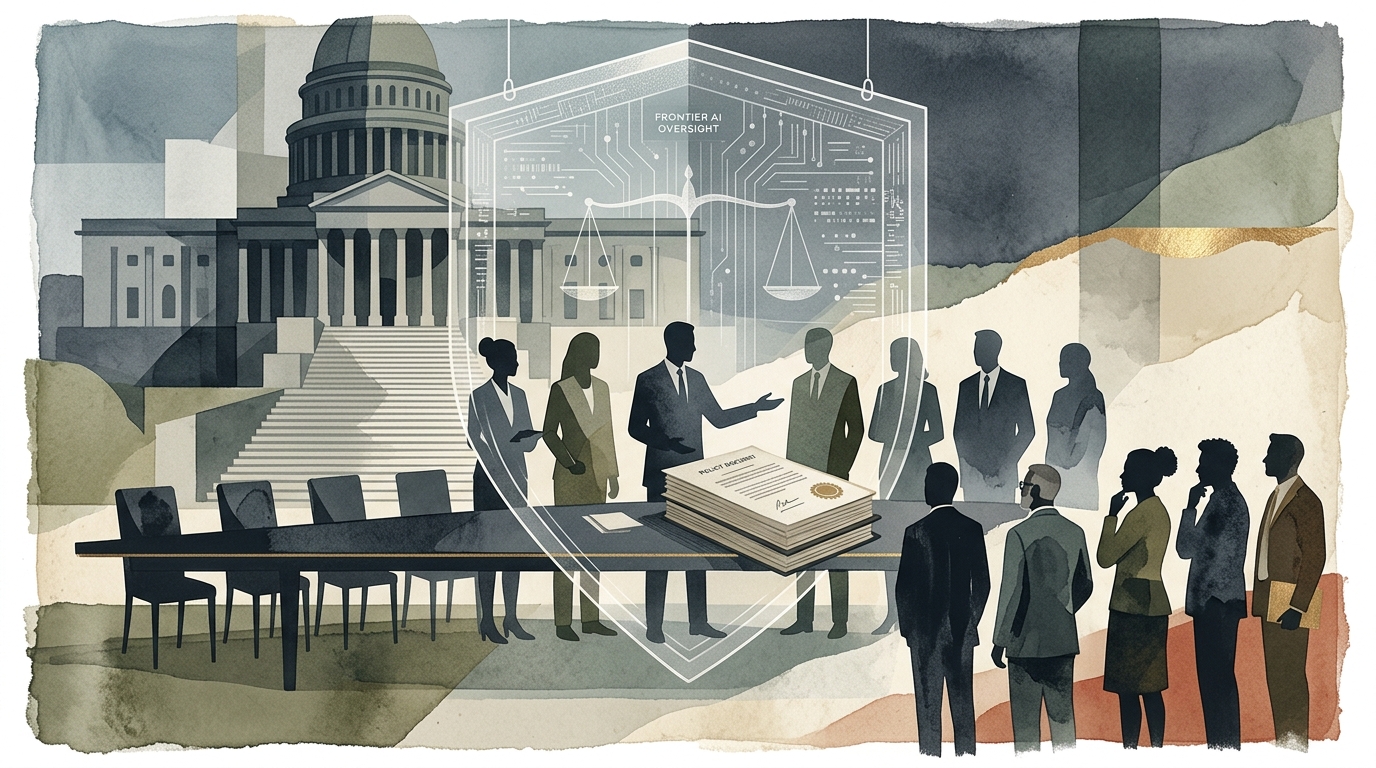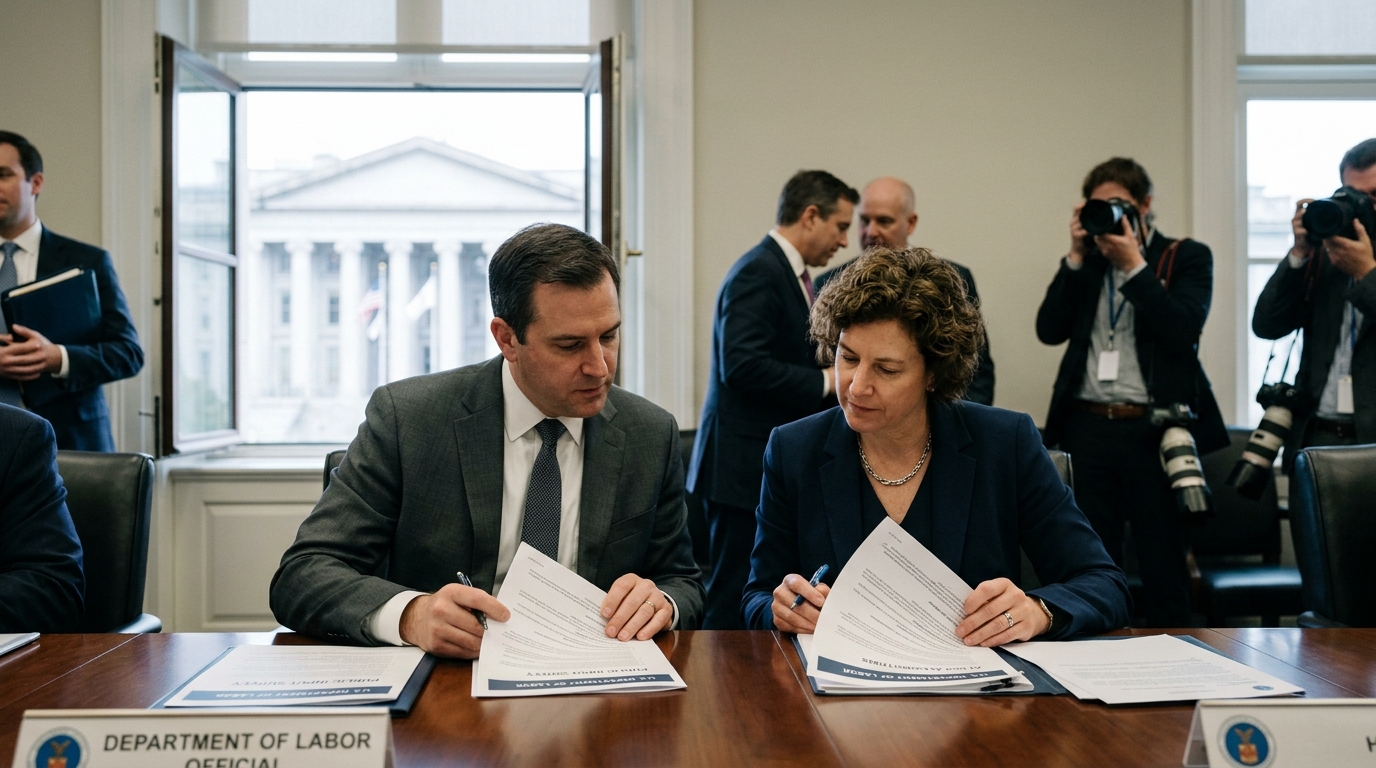
In an era where Artificial Intelligence (AI) is no longer a distant vision but a daily reality in workplaces, the U.S. Department of Labor (DOL) is making a move of high symbolic and substantive importance. Prior to the formal launch of a nationwide survey on the impact of AI on the workforce, the federal government is seeking public input, aiming to understand how algorithms are reshaping the nature of employment, job quality, and worker rights.
This move, reported extensively by FedScoop, comes at a time when the global economy is at a critical crossroads. The integration of AI is not just about automating routine tasks; it extends to complex decision-making processes, from hiring and evaluation to daily supervision via "smart" management systems. The Labor Department's inquiry aims to shed light on these shadowy corners of the modern economy, gathering data that will guide future regulatory interventions.
Algorithmic Management and the Rise of "Bossware"
One of the central points of the investigation is so-called "algorithmic management." This involves the use of software that monitors worker performance in real-time, often without human intervention. What was once simply called "supervision" has today been transformed into an unceasing stream of data analyzing every movement, every click, and every minute of idleness. "Bossware," as it has come to be known, raises serious questions about mental health, privacy, and worker autonomy.
The Department of Labor seeks to learn from workers and employers themselves how these tools affect job satisfaction. There is a fear that AI is being used to impose work paces that exceed human endurance, turning humans into components of a digital machine. The public consultation will allow unions, academics, and technologists to submit their views on where the red lines should be drawn.
Transparency and Bias in Hiring
Another critical aspect is the use of AI in recruitment processes. Many companies now use algorithms to filter resumes or even analyze recorded interviews through facial and emotion recognition technology. However, it has been repeatedly proven that these algorithms can inherit and amplify the biases of their creators or the data on which they were trained, leading to discrimination against specific social groups.
The DOL survey will examine how employers ensure fairness and transparency in these systems. The need for a "right to explanation"—where a candidate can learn why they were rejected by an algorithm—is becoming increasingly urgent. The U.S. government seems to be realizing that a lack of regulation in this area could lead to a new era of systemic inequalities that will be very difficult to reverse later.
Global Context and Significance for International Policy
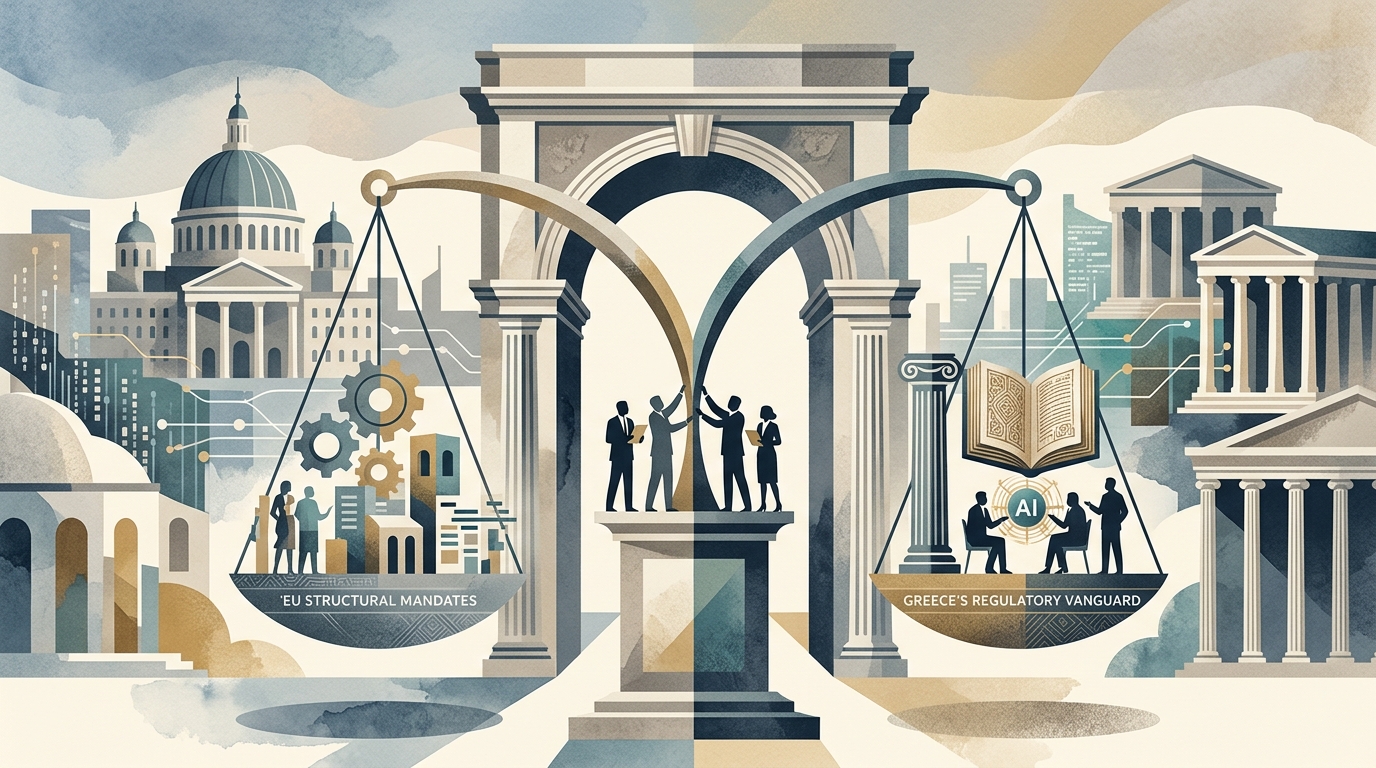
While this initiative concerns the U.S., its implications are global. The European Union has already taken significant steps with the AI Act, which classifies AI systems used in employment as "high-risk." The U.S. Department of Labor's move indicates a convergence on both sides of the Atlantic toward a more protective stance regarding labor. This mirrors a growing consensus that the "move fast and break things" ethos of Silicon Valley cannot be applied to the fundamental rights of the workforce.
For global stakeholders, the results of this survey will provide valuable data on how AI affects different sectors, from manufacturing to services. Understanding best practices as well as risks is essential for shaping national strategies that promote innovation without sacrificing social cohesion. Public participation in the decision-making process is the key to a fair transition to the digital economy of the future.
Conclusion: A New Social Contract?
The U.S. Department of Labor's initiative is not merely a bureaucratic exercise. It is an acknowledgment that technology is not neutral. The direction that AI development in the workplace takes depends on the political decisions made today. Gathering public feedback is the first step toward creating a framework that ensures AI serves as a tool for human empowerment rather than a means of devaluing labor.
- The survey will cover both the private and public sectors to ensure a holistic view.
- Emphasis will be placed on the impact of AI on wages and job security.
- The findings are expected to influence federal contracting guidelines and labor standards.
As we move toward 2027, the debate over AI and labor will only intensify. The ability of governments to listen to their citizens before legislating will determine whether the digital revolution will be a period of prosperity for the many or wealth for the few. The DOL's proactive approach suggests that the era of passive observation is over.