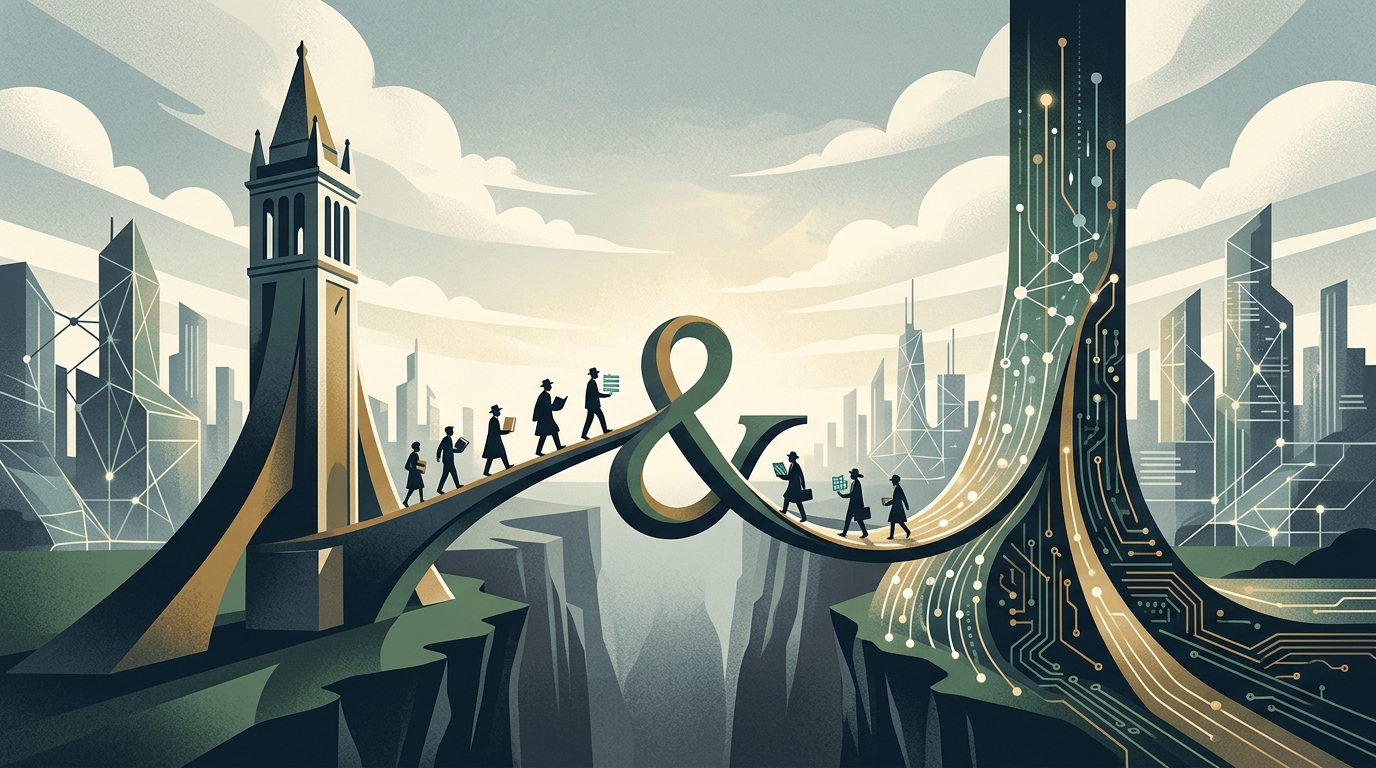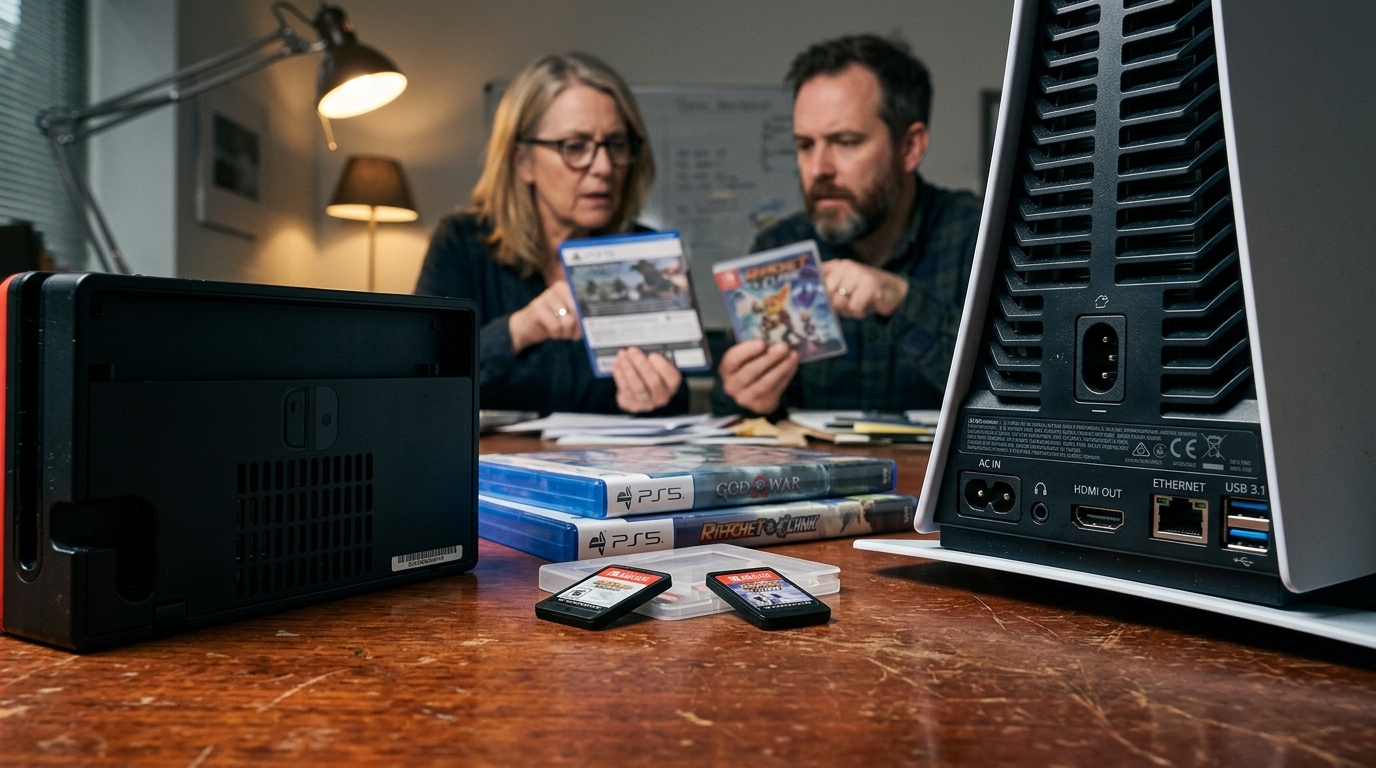
The video game industry stands at a critical crossroads where traditional notions of ownership collide with digital convenience. As we move through the summer of 2026, the debate over the future of physical media—discs and cartridges—has reignited, with two of the market's biggest players, Nintendo and Sony, pursuing diametrically opposed strategies. The recent release of the PlayStation 5 Pro, featuring an optional disc drive, combined with rumors of digital-only releases for blockbuster titles like GTA 6, has sparked concern among consumers who insist on "holding" their games in their hands.
Nintendo’s Strategy: Tradition as a Competitive Edge
Nintendo, a company often described as both the most conservative and the most innovative in the industry, seems to remain the last great bastion of physical gaming. Despite the rise of the eShop, the Japanese giant continues to invest heavily in physical cartridges for the current Switch and, by all accounts, its successor. For Nintendo, a physical game is not just a data storage medium; it is a cultural artifact. Collectors and families form the core of its clientele, and for them, the ability to lend a game, resell it, or display it on a shelf is an integral part of the experience.
Furthermore, Nintendo recognizes the value of resale. Its games maintain their value for years, which encourages players to opt for physical copies. In an era where digital libraries can vanish with the flip of a server switch, Nintendo offers a sense of permanence. This strategy is not just romantic but deeply economic: the physical shelf space in retail stores serves as the best possible advertisement for its titles, reaching a broad audience that doesn't necessarily follow tech news daily.
Sony: Digital Pragmatism and the End of the Disc
On the other side of the spectrum, Sony appears to be laying the groundwork for a disc-less future. The move to make the disc drive an optional peripheral on the PS5 Pro is a clear signal. The company seeks to reduce manufacturing and logistics costs while increasing profit margins through the PlayStation Store, where it maintains total control over pricing and eliminates the second-hand market. Sony is betting on convenience: the modern gamer wants to press a button and start playing without the friction of swapping discs.
However, this transition is fraught with risk. The outcry over digital exclusivity for major titles suggests that a significant portion of the user base feels a loss of control. When you buy digital, you are essentially purchasing a revocable license. Sony, despite its dominance, risks alienating loyal fans who view PlayStation as the home of premium physical editions. The clash between economic efficiency and consumer satisfaction will define the trajectory of the next decade.
The Issue of Preservation and Consumer Rights
Beyond the corporate rivalry lies a deeper issue: the preservation of gaming history. Physical media is the only way to ensure a game remains accessible 20 or 30 years from now. Digital platforms are ephemeral. If Sony or Nintendo decides to shut down servers for older consoles, thousands of titles risk being lost to history. We have already witnessed the closure of the Wii U and 3DS eShops, which made many games unavailable for legal purchase overnight.
Moreover, the European Union is increasingly scrutinizing digital market practices. The debate over the "right to own" is intensifying, with many calling for legislation that forces companies to allow the transfer of digital titles or guarantee access even after a console's lifecycle ends. In this environment, Nintendo’s persistence with physical media makes it, perhaps unintentionally, the most consumer-friendly player in the market.
Conclusions for the Future
2026 finds the industry divided. Nintendo is betting on emotion and tangible value, while Sony focuses on speed and digital hegemony. For the average player, especially in markets where the second-hand economy is vital due to rising software prices (now reaching €80), the existence of physical games is crucial. Whether discs will eventually become a niche product for collectors, like vinyl records, or remain mainstream depends on whether we, the consumers, continue to demand the right to truly own what we buy.