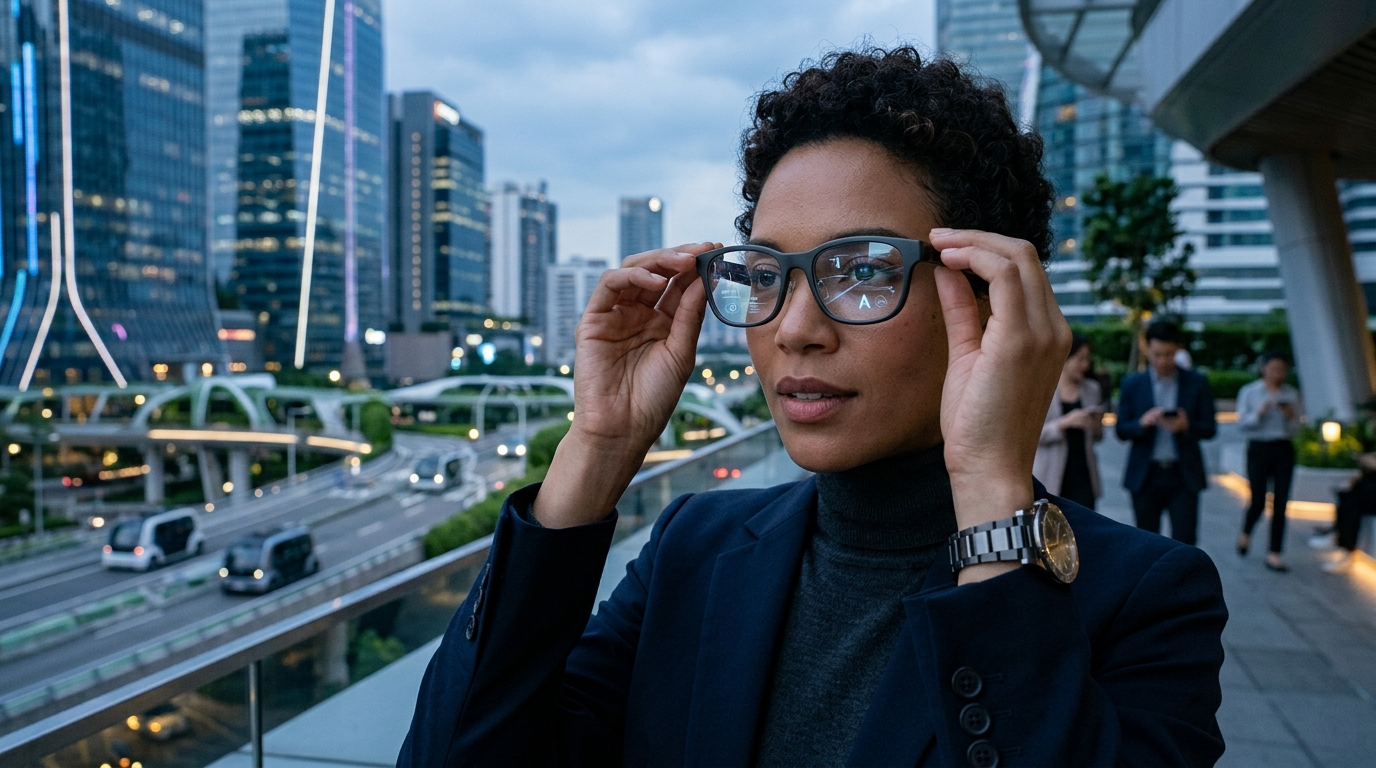
In the world of technology, history rarely repeats itself exactly, but it often follows the same rhythm. According to recent reports from Bloomberg, Apple is preparing to apply its proven "Apple Watch playbook" to the burgeoning category of smart glasses. With a release window targeted for late 2027, the Cupertino giant isn't just looking to add another device to its ecosystem; it aims to redefine how we interact with the physical world, turning glasses from a niche accessory into an essential daily tool.
The Apple Watch Playbook as a Roadmap
To understand the future of Apple Glasses, we must look back to 2015. When the Apple Watch launched, the smartwatch market was fragmented, and devices were largely seen as clunky and limited in utility. Apple wasn't the first to enter the category, but it was the one that perfected it. Starting as a controversial luxury accessory, the watch evolved into a dominant health and communication device that now commands the largest market share globally.
The strategy for the glasses appears to follow the same trajectory. Following the release of the Vision Pro, which served as a technological tour de force (a "spatial computer"), Apple is now shifting its focus toward a lighter, more wearable design. The upcoming glasses won't be a replacement for the Vision Pro, but rather an extension of the iPhone experience, focusing on elegance, battery life, and instant access to information via Augmented Reality (AR).
Technical Hurdles and the Road to iOS 28
Creating smart glasses that people actually want to wear all day is one of the greatest engineering challenges in history. Apple must solve the problems of thermal management, battery life, and, most importantly, aesthetics. Reports suggest the company is experimenting with new Micro-LED display technologies that allow for ultra-thin lenses while maintaining the clarity needed for reading text and viewing graphics overlaid on the physical environment.
Software will play a central role in this transition. While iOS 27 is expected to lay the groundwork with deeper AI integration (Apple Intelligence), iOS 28—scheduled for 2027—is projected to be the operating system that "unlocks" the glasses' potential. Apple is designing an interface based on gaze and gestures, minimizing the need for physical contact with the phone. Imagine navigation directions appearing directly on the road or notifications floating discreetly at the edge of your field of vision.
Competition and the Strategy of Patience
Apple is not playing alone in this field. Meta, with its Ray-Ban Meta glasses and the Orion prototype, has already demonstrated strong consumer interest in devices that combine cameras, audio, and AI within a traditional glasses frame. However, Apple is betting on superior build quality and the seamless connection between its devices. The ability of the glasses to work with Apple TV for an immersive viewing experience or with HomePod for voice control via Siri is key to their mass-market appeal.
"Apple doesn't always invent the category, but it defines it. With glasses, the bet is whether they can make the technology disappear into a daily object," says a senior industry analyst.
Alongside the glasses, Apple is refreshing its other hardware. A new Apple TV with an improved processor for gaming and a HomePod mini with upgraded audio are expected soon, serving as the hubs of a smart home that will eventually be controlled through the lenses of these new glasses.
Conclusion: The End of the Screen Era?
Apple's move toward smart glasses marks the beginning of the end for the dominance of the touchscreen. If the Apple Watch freed us from constantly checking our phones for notifications, Apple Glasses aim to let us look at the world around us, integrating digital information organically into reality. Their success will depend on whether Apple can convince consumers that putting a computer on their face is an upgrade to the human experience rather than an invasion of privacy.