As we navigate the first half of 2026, the discourse surrounding Artificial Intelligence (AI) has shifted from the initial dread of displacement to a profound existential inquiry. In this landscape, Joseph E. Aoun, President of Northeastern University and author of the seminal book "Robot-Proof," is revitalizing a proposition that feels more urgent than ever: AI is not the enemy of human labor, but the mirror compelling us to see what truly makes us unique.
According to Aoun, the challenge we face is not technological, but educational and cultural. The rapid adoption of AI agents in daily workflows has automated not only manual tasks but also complex cognitive functions. This creates a void that only the cultivation of "Humanics"—the new humanities for the digital age—can fill.
The Concept of Humanics: A Triple Literacy
Aoun proposes a new learning model he calls "Humanics." This model is built upon the convergence of three types of literacy essential for survival and flourishing in the age of automation:
- Technological Literacy: Understanding how machines and algorithms function.
- Data Literacy: The ability to navigate the ocean of information and extract meaning from it.
- Human Literacy: Cultivating empathy, ethical judgment, creativity, and social entrepreneurship.
In Aoun’s vision, "Human Literacy" is the most critical. While machines can analyze data at astronomical speeds, they lack the ability to understand context, feel another's pain, or make decisions based on moral values that transcend mere numbers. AI, therefore, forces us to invest in precisely those elements we neglected during the era of industrial standardization.
Reforming Higher Education
For Aoun, the traditional model of university education is obsolete. The mere transmission of knowledge is no longer sufficient, as knowledge is now universally accessible via AI. Universities must transform into hubs of "experiential learning."
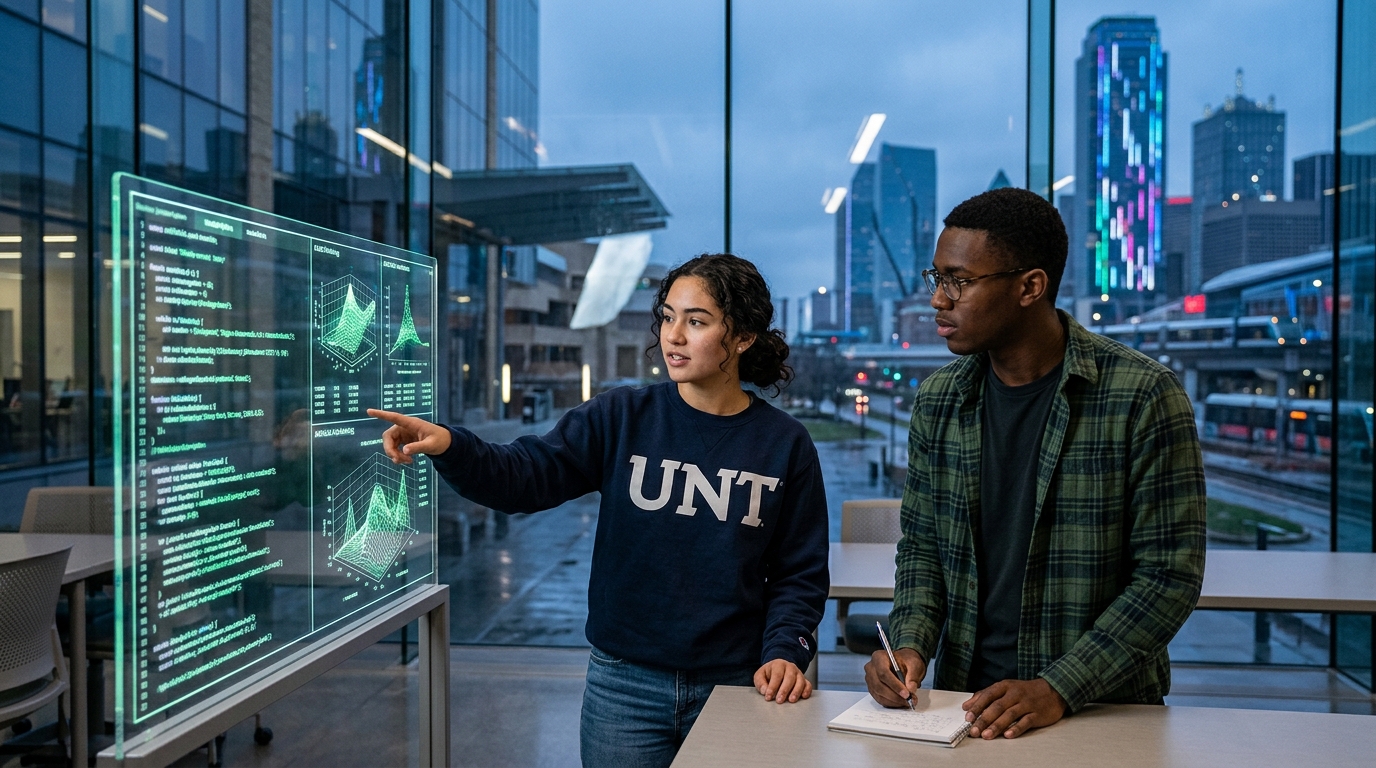
"Learning cannot be a passive process that occurs only within a classroom. It must be a continuous interaction with the real world, where students apply technology to solve human problems," Aoun emphasizes.
This means students must work in interdisciplinary teams, engage with diverse cultures, and undertake projects requiring negotiation, persuasion, and emotional intelligence. These skills are "robot-proof" because they are rooted in the complexity of human consciousness.
The Social Dimension: From Efficiency to Contribution
Another vital aspect of Aoun’s philosophy is the shifting value of work. For decades, the system rewarded efficiency and repetition—qualities where machines excel. Today, value is shifting toward an individual's ability to ask the right questions rather than just providing answers.
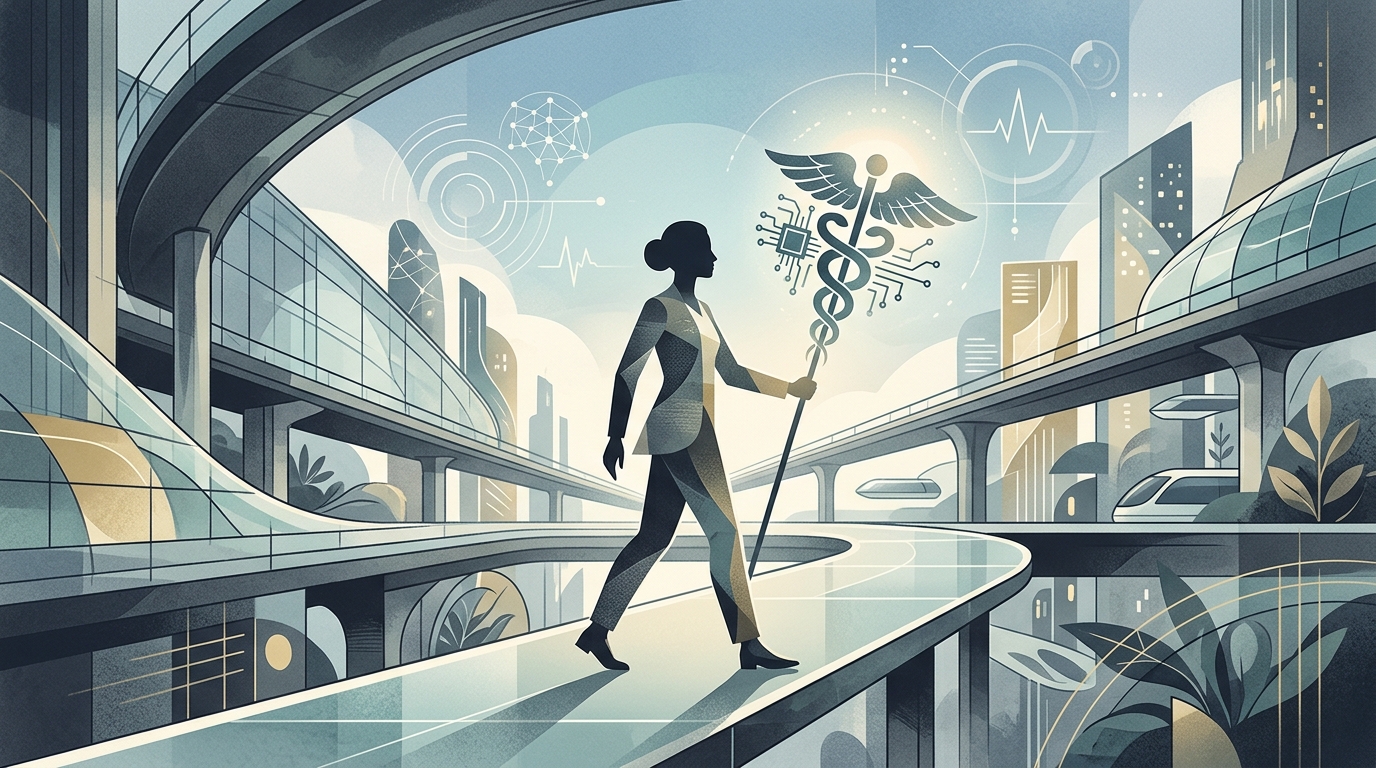
AI can write code, draft legal documents, or diagnose diseases, but it cannot envision a fairer social system or comfort a grieving patient. The challenge for 2026 society is to create structures that allow humans to engage in these higher-order functions, liberated from the burden of routine tasks.
Conclusion: A New Human-Centric Era
Joseph Aoun is not a techno-optimist who ignores the risks. He acknowledges that the transition will be painful for many. However, his central thesis remains steadfast: Artificial Intelligence is the tool that will allow us to become "more human." Instead of trying to compete with machines in speed and precision, we must use them to amplify our own creativity and social conscience. Our success in the 21st century will not be judged by how well we manage algorithms, but by how well we nurture our humanity.