In the heart of the digital revolution, where Artificial Intelligence (AI) promises to democratize creativity by generating images and text at the touch of a button, one of the world's oldest and most authentic subcultures is standing its ground. Zines—those small, self-published magazines born from a need for free expression outside the confines of traditional publishing—are currently at the center of an existential debate. For their creators, the issue is not technological progress, but the very essence of art itself.
The Ethos of the Handmade and the Algorithmic Threat
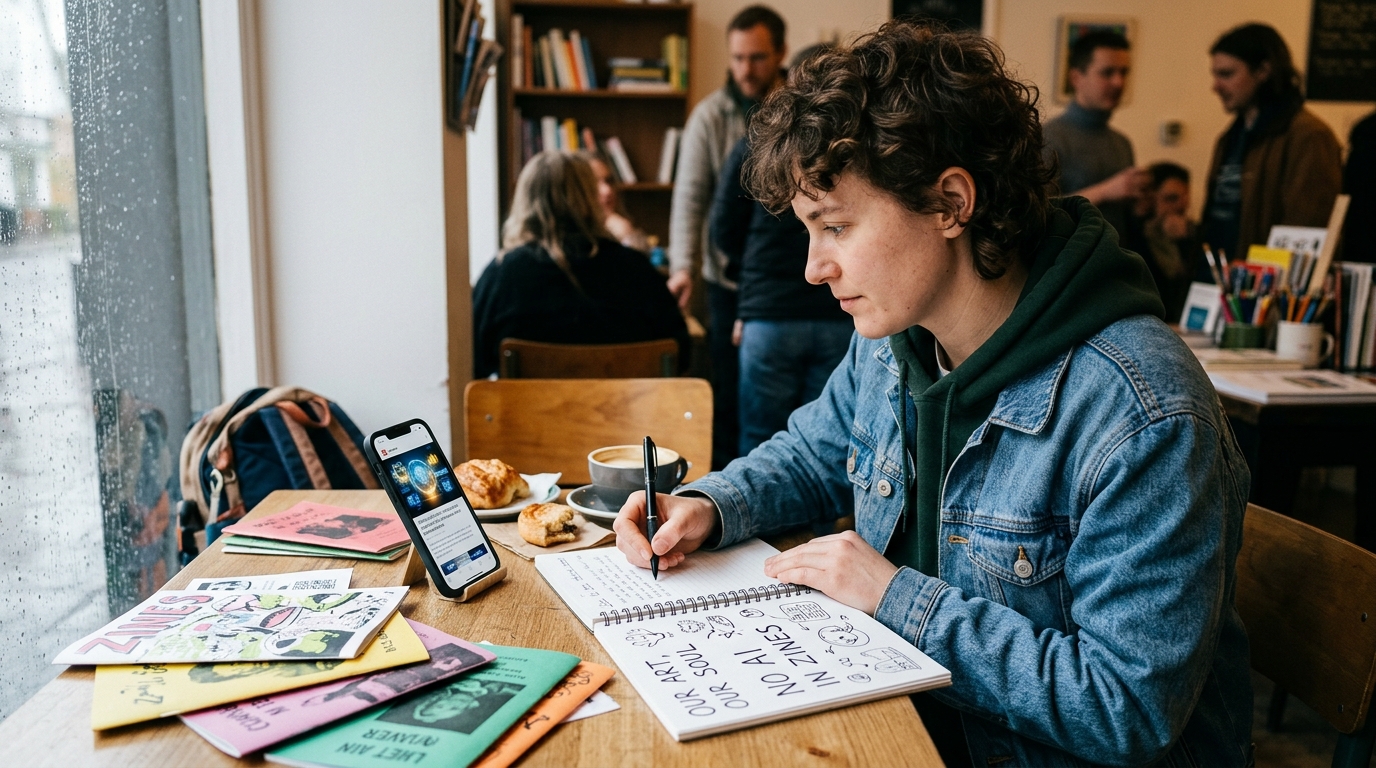
Zine culture is historically rooted in the DIY (Do It Yourself) aesthetic. From science fiction fanzines of the 1930s to the punk rags of the 70s and the riot grrrl pamphlets of the 90s, the zine has always been a physical medium. It was about the ink on the fingers, the cut of the scissors, the photocopy that came out slightly crooked. The advent of image generators like Midjourney and DALL-E, along with large language models like ChatGPT, is seen by many in the community as a "contamination" of this sacred process.
As reported by The Guardian, many zine festival organizers worldwide have begun implementing strict rules against the use of AI. The argument is simple yet profound: a zine is supposed to be handmade. When the production process is outsourced to an algorithm trained on the stolen data of millions of artists without their consent, the value of the work is erased. It is no longer personal expression, but a statistical representation of average human creativity.
Intellectual Property Theft and Homogenization
One of the primary points of friction is the ethics of AI model training. Zine creators, often marginalized artists or members of the LGBTQ+ community, see their work being absorbed into massive databases owned by tech giants. This "digital enclosure" of the artistic commons is viewed as a new form of colonialism. The irony is sharp: technology marketed as a tool for "democratizing" art actually threatens to displace the small, independent creators who form the backbone of cultural innovation.
- The loss of "human error" which gives zines their unique character.
- Concerns over marketplaces like Etsy being flooded with low-quality AI-generated content.
- The growing need for "Human-Made" labeling as a certificate of authenticity.
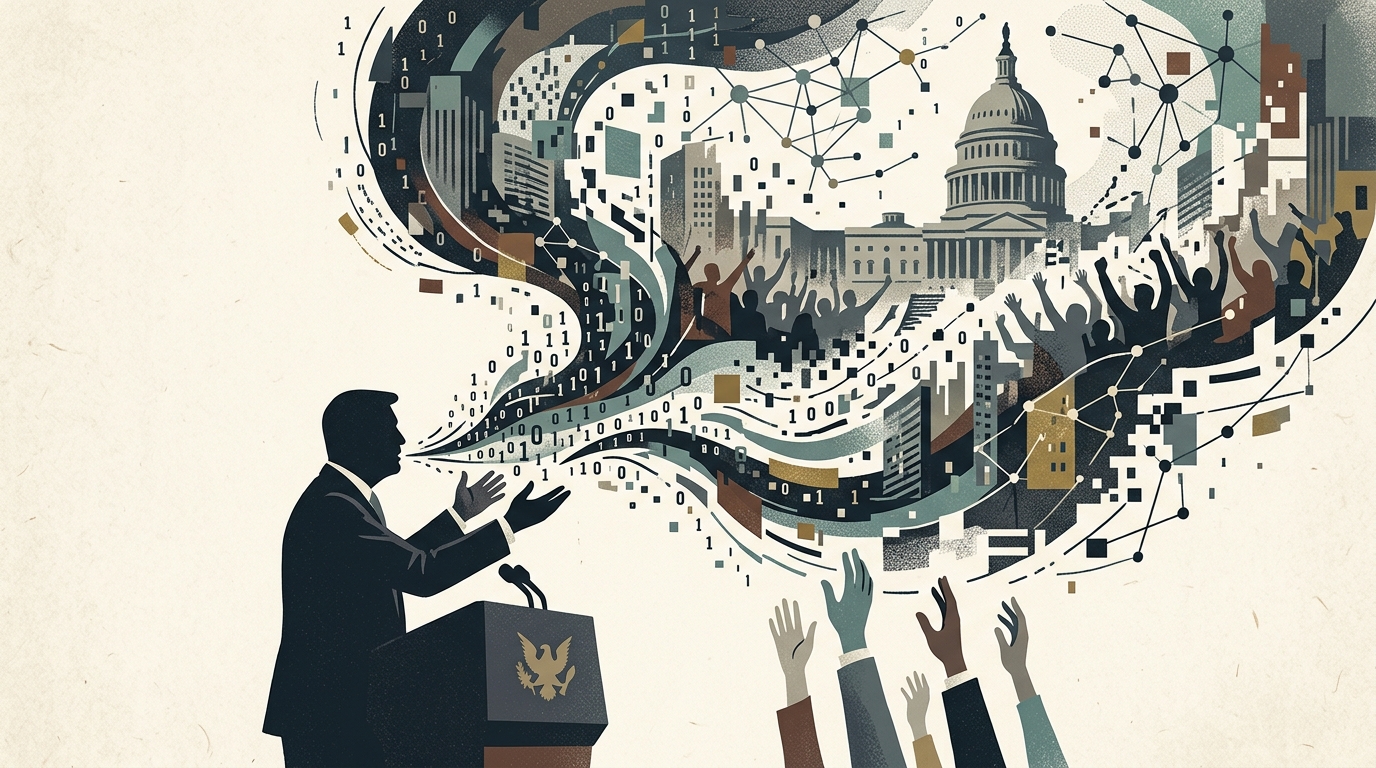
- The political dimension of resisting Big Tech's dominance over personal expression.
Furthermore, there is the fear of aesthetic homogenization. AI tends toward the "mean," toward what is statistically likely to be liked. Zines, by contrast, have always been about the extreme, the weird, the personal, and the non-commercial. If the zine market is flooded with algorithmically generated pamphlets, there is a risk of losing the unique voice that makes this art form so vital.
Resistance as a Political Act
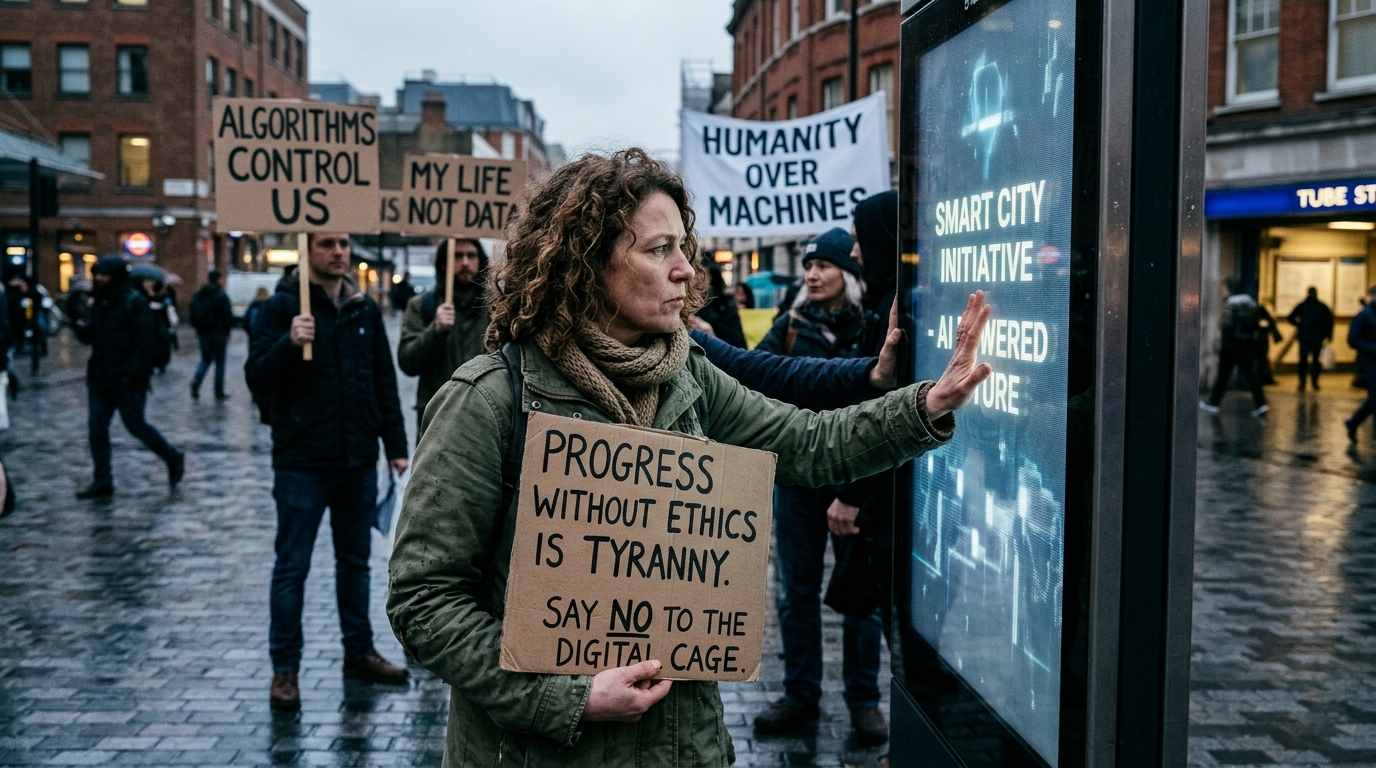
For many artists in 2026, creating a zine is an act of political defiance. In an era where our attention is monopolized by screens and algorithms, spending hours designing, writing, and stapling a physical object is a statement. The rejection of AI is not technophobia; it is a defense of human labor and connection.
"A zine is a handshake between creator and reader. When you put a machine between them, the connection breaks," says one independent publisher.
As technology evolves, the zine community is being forced to redefine its boundaries. Some argue that AI could be used as an accessibility tool for people with disabilities, allowing them to express themselves. However, the majority remains skeptical, emphasizing that convenience should not come at the cost of ethics and authenticity. The battle for the future of zines is, ultimately, a battle for what it means to be human in a digital world.