The era of impunity for algorithmic gatekeepers appears to be drawing to a close. In a ruling set to send shockwaves through the technology industry, a federal judge in California has determined that Workday Inc., a global leader in human capital management software, can be held legally liable for discrimination stemming from its AI-driven hiring tools. This case is not merely a legal skirmish involving a single corporation; it is a fundamental challenge to the mechanics of how algorithms decide who gets a job and who is left behind.
The Core of the Dispute: Mobley v. Workday
The lawsuit was initiated by Derek Mobley, an African American man over the age of 40 with a disability, who alleges he was rejected from over 100 positions at companies utilizing Workday’s software. Mobley contends that Workday’s algorithms systematically screened him out based on race, age, and health status, violating federal and state civil rights laws. Workday sought to have the case dismissed, arguing that it functions solely as a software provider and not as the employer making the final hiring decisions.
However, U.S. District Judge Rita Lin rejected this defense. In her preliminary ruling, Lin noted that Workday could be classified as an "indirect employer" or an "employment agency" under California law. The reasoning is that its tools are not passive digital repositories but active systems that filter, rank, and ultimately select candidates, thereby exercising significant control over employment opportunities. This legal interpretation shatters the narrative that tech vendors are merely "neutral intermediaries."
The 'Black Box' of Algorithmic Bias
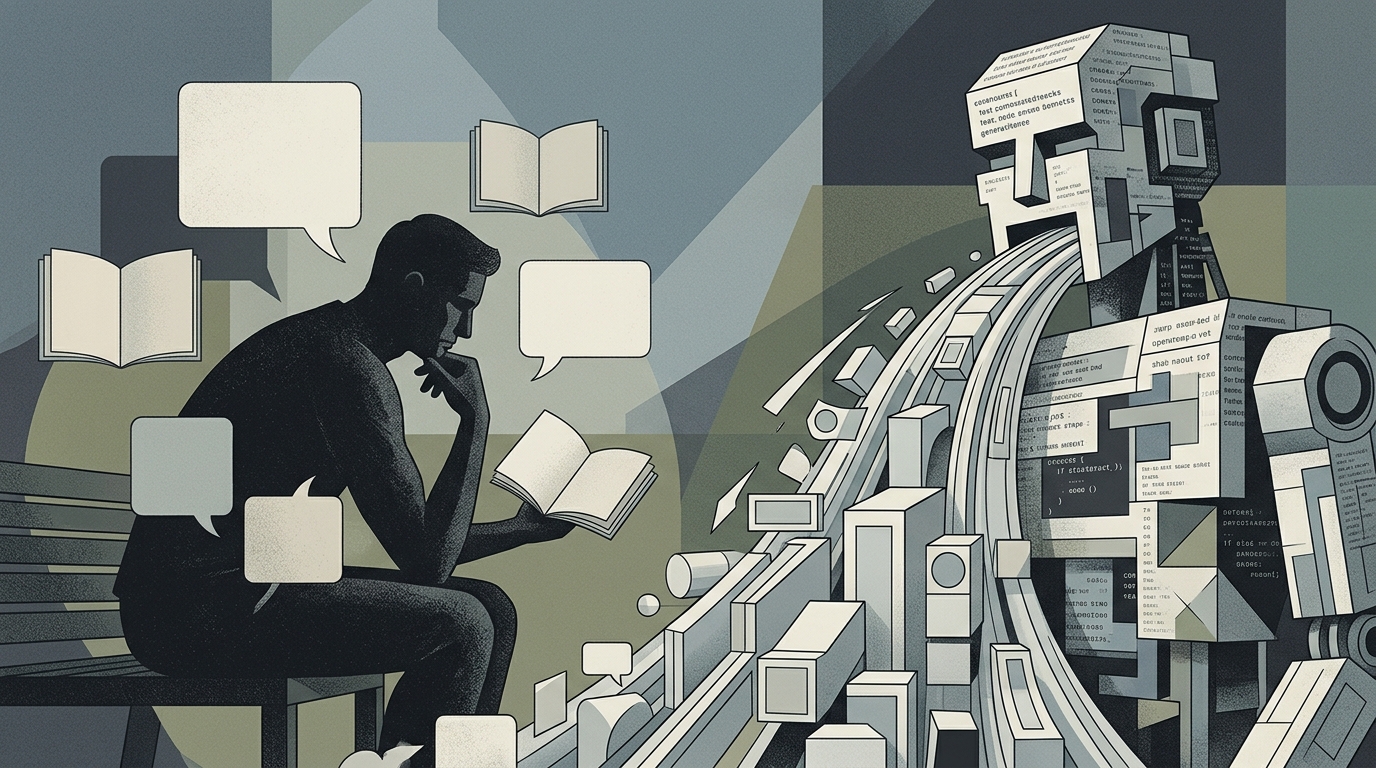
The central issue with AI in recruitment lies in its opacity. Algorithms are often trained on historical data that mirrors the prejudices of previous decades—a phenomenon known as "bias in, bias out." If a system is trained on data from a company where managers were historically predominantly male or from a specific demographic, the AI may learn to de-prioritize resumes containing markers of different genders or ages, even if those traits are not explicitly stated.
- Proxy Variables: Algorithms can utilize "proxies" (such as zip codes or college names) to infer a candidate's race or socioeconomic status, leading to indirect discrimination.
- Automated Rejection: Many systems reject candidates within seconds of application submission, ensuring a human eye never sees the resume of a potentially qualified but "algorithmically unappealing" candidate.
- Lack of Accountability: Until now, companies could blame "the algorithm," creating a legal vacuum where no entity was held responsible for systemic unfairness.
Implications for the Global Tech Market
Should the Mobley case proceed to a successful verdict, the consequences will be seismic. First, AI software vendors will be forced to invest heavily in "algorithmic auditing" to ensure their systems do not produce discriminatory outcomes. Second, legal liability will now be shared between the employer and the technology provider, fundamentally altering the risk profile and contract structures within the Software-as-a-Service (SaaS) sector.
In Europe, this development is being watched closely, as the EU AI Act classifies recruitment systems as "high-risk." The California ruling aligns with a global trend toward stricter AI regulation, emphasizing that technological innovation cannot serve as a pretext for bypassing labor rights. While Workday maintains that the allegations are meritless, the legal door opened by Judge Lin will not be easily shut.
Conclusion: Toward Ethical Artificial Intelligence
This case serves as a clarion call for Silicon Valley. The notion that code is above the law is crumbling. Fairness in employment is a fundamental right, and the automation of the hiring process must serve to uphold that right, not undermine it. As the trial moves forward, the industry must decide: will it continue to hide behind the opacity of its "black boxes," or will it embrace the responsibility that comes with the immense power it wields over the lives of millions of workers?