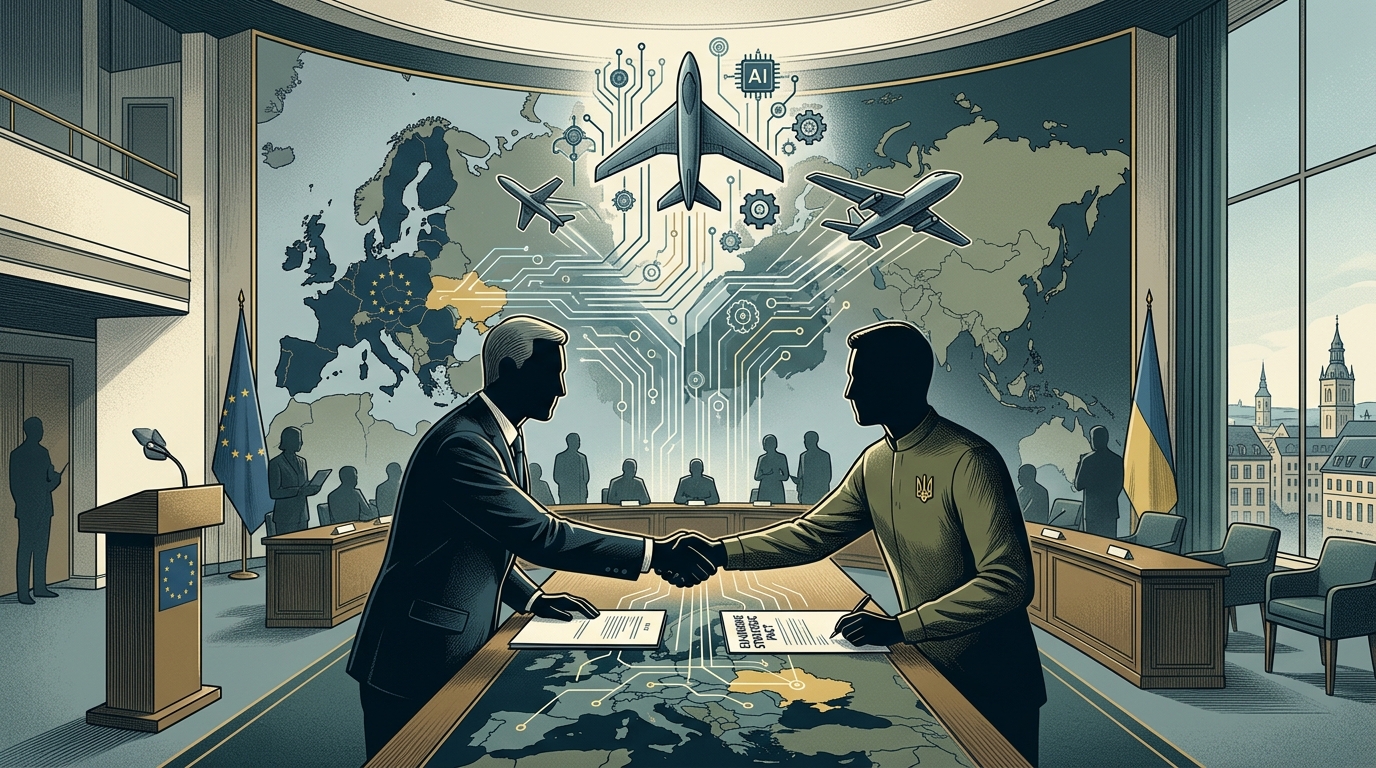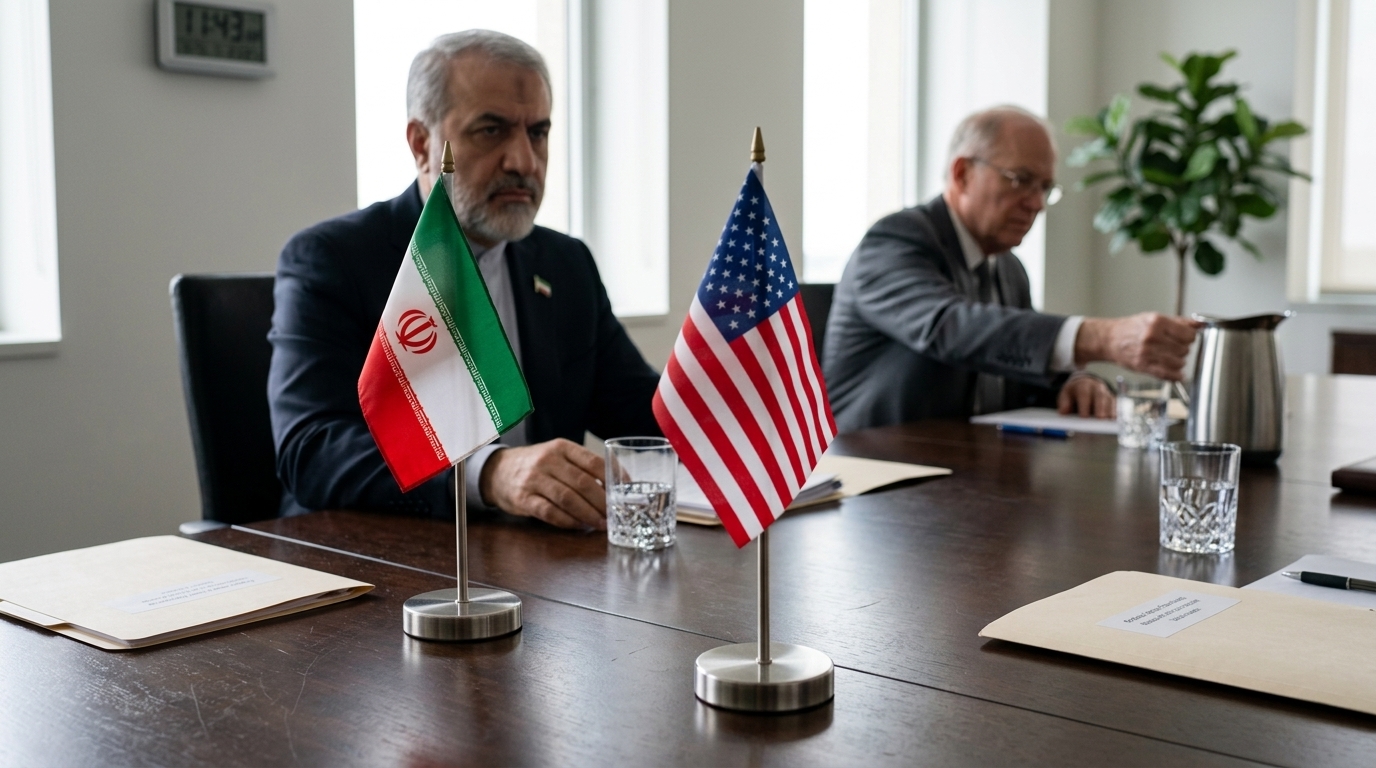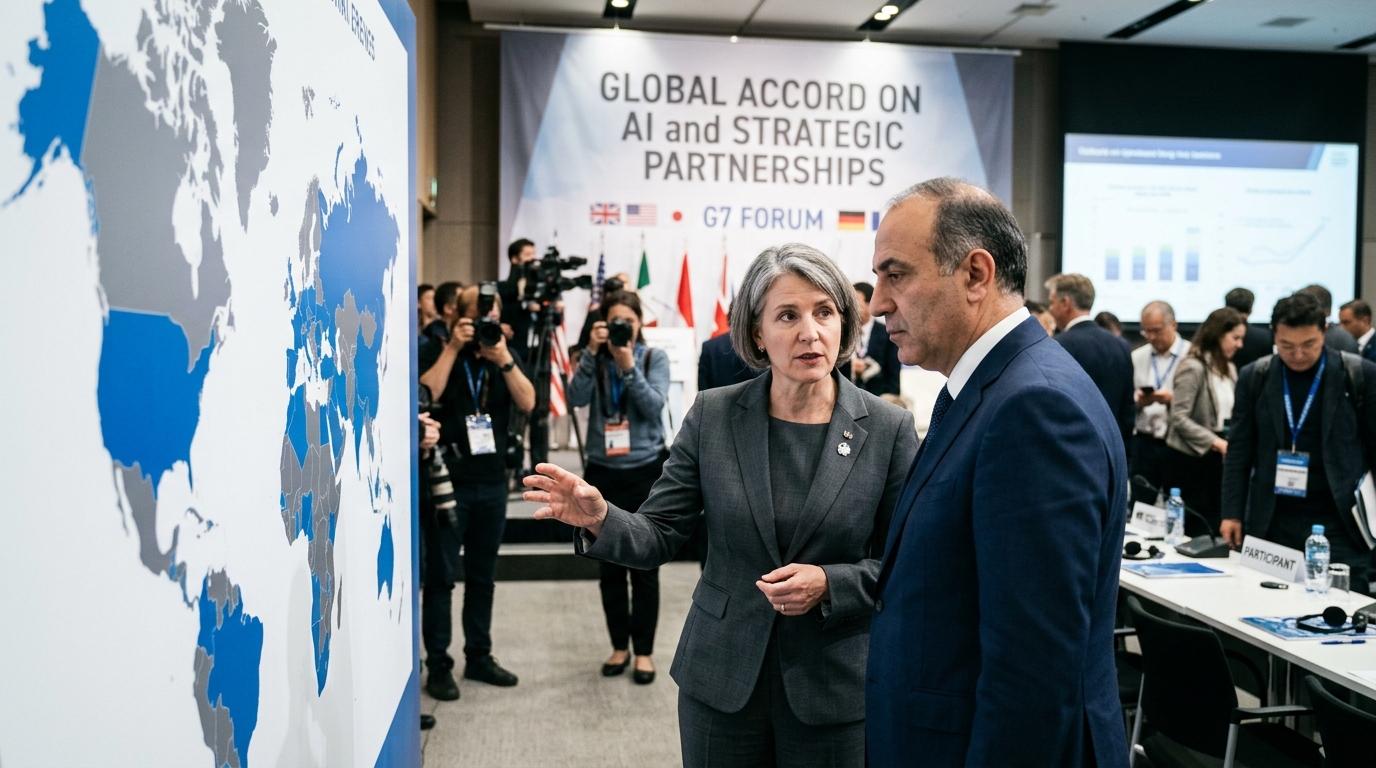
The era of global, open-ended technological cooperation is rapidly giving way to a new, tightly controlled geopolitical reality. According to sources cited by Reuters, G7 leaders are engaged in advanced discussions to restrict access to the most sophisticated Artificial Intelligence models—the so-called 'frontier models'—exclusively to those designated as 'trusted partners.' This move, spearheaded primarily by the United States, signals the transformation of computational intelligence into the 21st century's most potent diplomatic and military asset.
the Strategy of 'Gated' Innovation
The logic behind this initiative is twofold: national security and economic hegemony. As AI models become capable of designing cyberattacks, assisting in the creation of biological weapons, or controlling autonomous weapons systems, Washington is no longer willing to let the 'raw' power of models from OpenAI, Google, or Anthropic flow freely to rival powers. The 'trusted partners' framework is intended to function as a digital version of NATO, where access to APIs and model weights depends on alignment with Western security standards and democratic values.
However, this approach carries significant risks. Creating an exclusive club could isolate emerging economies that fall outside the G7's inner circle, potentially driving them into the arms of alternative ecosystems, such as China's. The geopolitics of AI is no longer just about who owns the chips; it is about who is permitted to 'think' using the world's most advanced algorithms.
The European Dilemma and American Monopoly
For Europe, this discussion is particularly sensitive. On one hand, the EU seeks 'digital sovereignty' through the AI Act, attempting to regulate technology based on human rights. On the other hand, the dependence of European industry on US cloud infrastructure and frontier models is near-total. Leaders in France and Germany appear to be pushing for guarantees that 'trusted partner' status will not be used as a tool for economic blackmail or protectionism by the United States.
"We cannot allow security to become a pretext for a new technological isolationism," says a senior European diplomat. "Access to AI is now as critical as access to energy."
The G7 is also considering common standards for content watermarking and real-time monitoring of model usage. This would effectively allow the US to 'kill the switch' if a partner violates security protocols—a level of control that causes unease even among close allies.
The Threat of 'Digital Apartheid'
The greatest challenge remains the Global South. If the peak capabilities of AI are locked behind geopolitical walls, the gap between technologically advanced nations and the rest of the world will become unbridgeable. Countries excluded from frontier models will find themselves at a structural disadvantage in medical research, education, and economic productivity. This scenario of 'digital apartheid' could destabilize the international order more profoundly than any previous trade dispute.
- Restrictions on access to models trained with more than 10^26 FLOPs of compute.
- Mandatory registration and vetting of users from 'non-trusted' jurisdictions.
- Creation of 'security corridors' for data transfer between G7 members.
- Strict penalties for corporations that leak technical specifications to strategic rivals.
In conclusion, the G7 discussions are laying the groundwork for a new global order where intelligence is no longer a public good but a controlled strategic reserve. The challenge for humanity is to ensure that the quest for security does not result in a world permanently fractured by algorithmic borders.