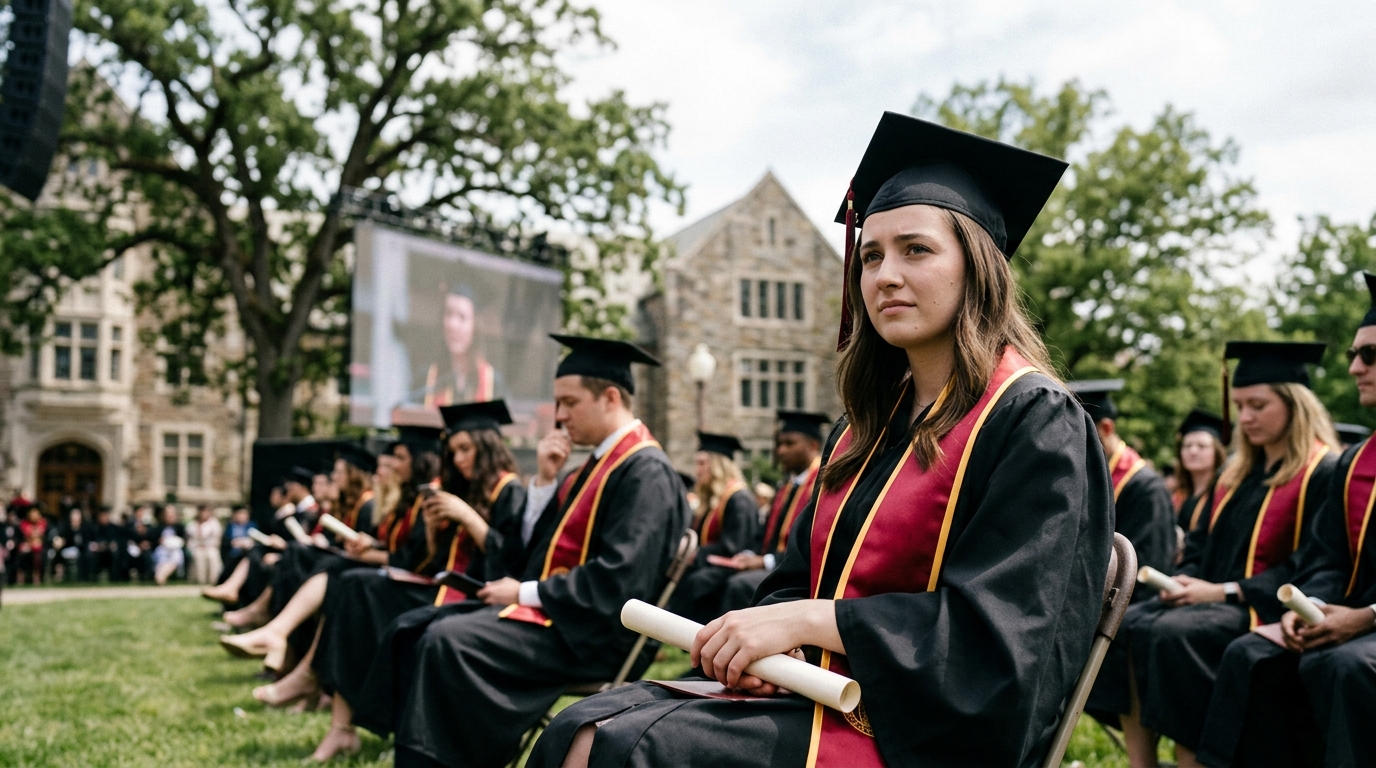
May 2026. University campuses worldwide are buzzing with the usual mix of relief and anxiety, but the atmosphere has shifted since the "AI explosion" of 2023. For this year’s graduates, Artificial Intelligence isn’t a futuristic promise or a novelty to be marveled at; it is the wallpaper of their existence. It’s the tool they used to refine their theses and, more poignantly, the invisible competitor they face in the job market. When a high-flying CEO or a seasoned politician takes the podium for the traditional commencement address, mentioning the "AI revolution" risks sounding not just cliché, but profoundly out of touch.
The Fatigue of the "New Normal"
According to a recent analysis highlighted by TechCrunch, 2026 marks the tipping point of "AI fatigue." After three years of relentless headlines about ChatGPT, Claude, and their multimodal successors, graduates have reached a saturation point. AI has been baked into every productivity suite, from basic spreadsheets to advanced software engineering, making exhortations to "embrace the new era" feel redundant. The youth have already embraced it; what they seek now is not technical guidance, but human connection and meaning in a world that feels increasingly automated.
Speakers who persist in focusing on technology often fall into the trap of "technological grandstanding." For a student watching entry-level roles—in copy editing, junior coding, or data entry—evaporate as firms automate basic workflows, a speech praising algorithmic efficiency can feel like an insult. The ethical dimension is critical: how can one preach optimism to a generation that feels the first rungs of the career ladder have been sawed off by the very technology they are told to celebrate?
The Entry-Level Crisis
By 2026, the labor market has undergone a structural transformation. While senior roles remain relatively stable, the roles traditionally occupied by new graduates have shrunk. This creates an existential dread that no "inspiring" speech about Large Language Models can soothe. The Class of 2026 is the first generation that must prove its value not against other humans, but against models that never tire, never complain, and require no health insurance.
"Giving advice to 'learn how to prompt' in 2026 is like telling someone in 1920 to learn how to hold the reins of a horse while the Model T is flooding the streets," notes one educational analyst.
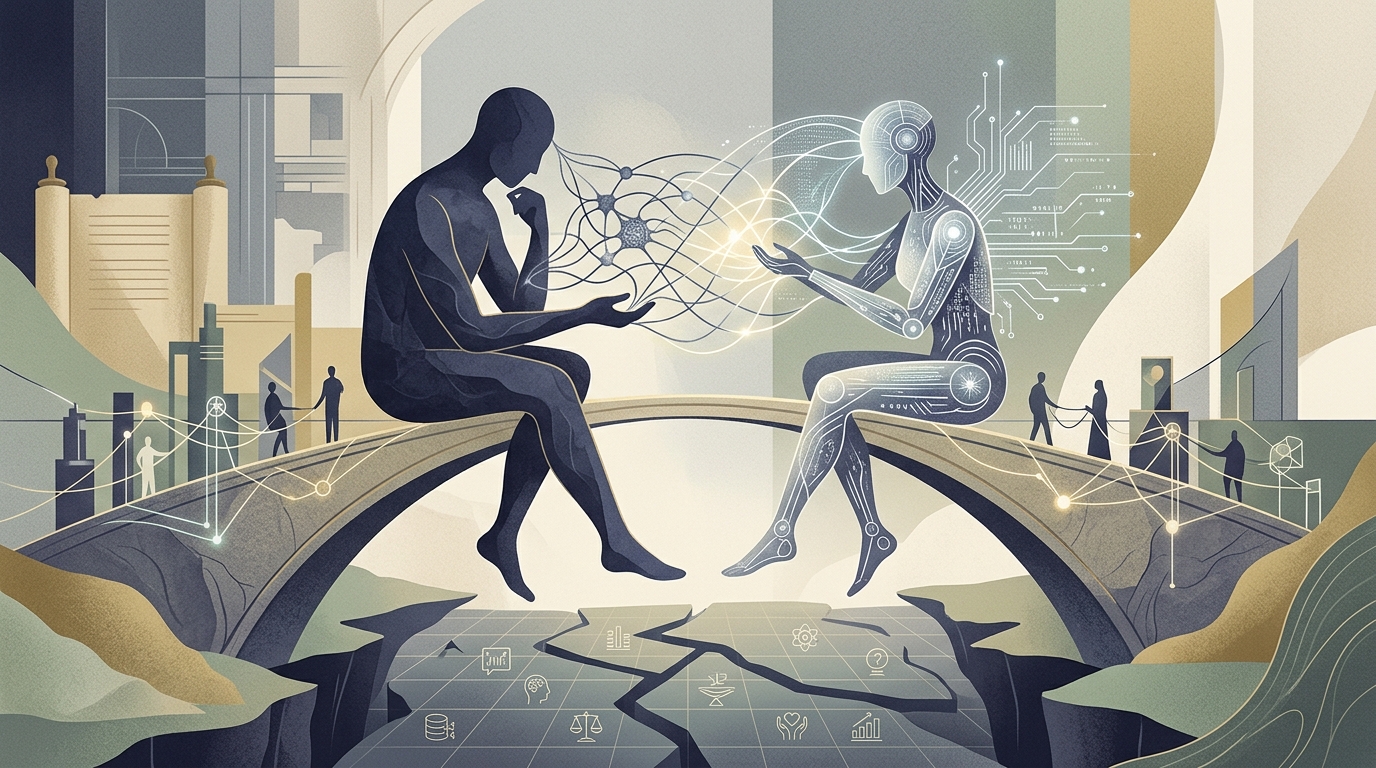
The challenge for speakers is to find a new rhetoric. Instead of technology, the focus must return to ethics, critical thinking, and the ability to navigate radical uncertainty. AI is now a commodity; humanity, empathy, and original strategic thought are the new scarcities. If a speaker cannot address the void left by automation with something more substantial than tech-optimism, they are better off remaining silent on the topic altogether.
Humanity as the Ultimate Counter-Culture
Perhaps the most radical act in a 2026 commencement speech is the complete omission of the word "artificial." In a world where content is generated at scale by machines, authentic, personal narrative gains a premium value. Graduates want to hear about failures that couldn't be fixed with a prompt, about human relationships that were tested, and about the value of silence in a noisy digital world.
- Focus on Values: Speeches should center on virtues that algorithms cannot simulate, such as integrity, moral courage, and physical presence.
- Locality and Community: In a globalized digital economy, returning to the importance of local impact and tangible community work is refreshing.
- Embracing Complexity: Avoiding the oversimplified solutions often suggested by tech-bro culture shows respect for the graduates' intelligence.
In conclusion, avoiding the mention of AI is not a denial of reality, but an act of respect toward the generation tasked with living on the front lines of this shift. In 2026, the best gift a speaker can give a graduate is to look them in the eye and remind them that, despite the dominance of data, their unique, un-simulated voice still matters more than any output a machine could ever produce.