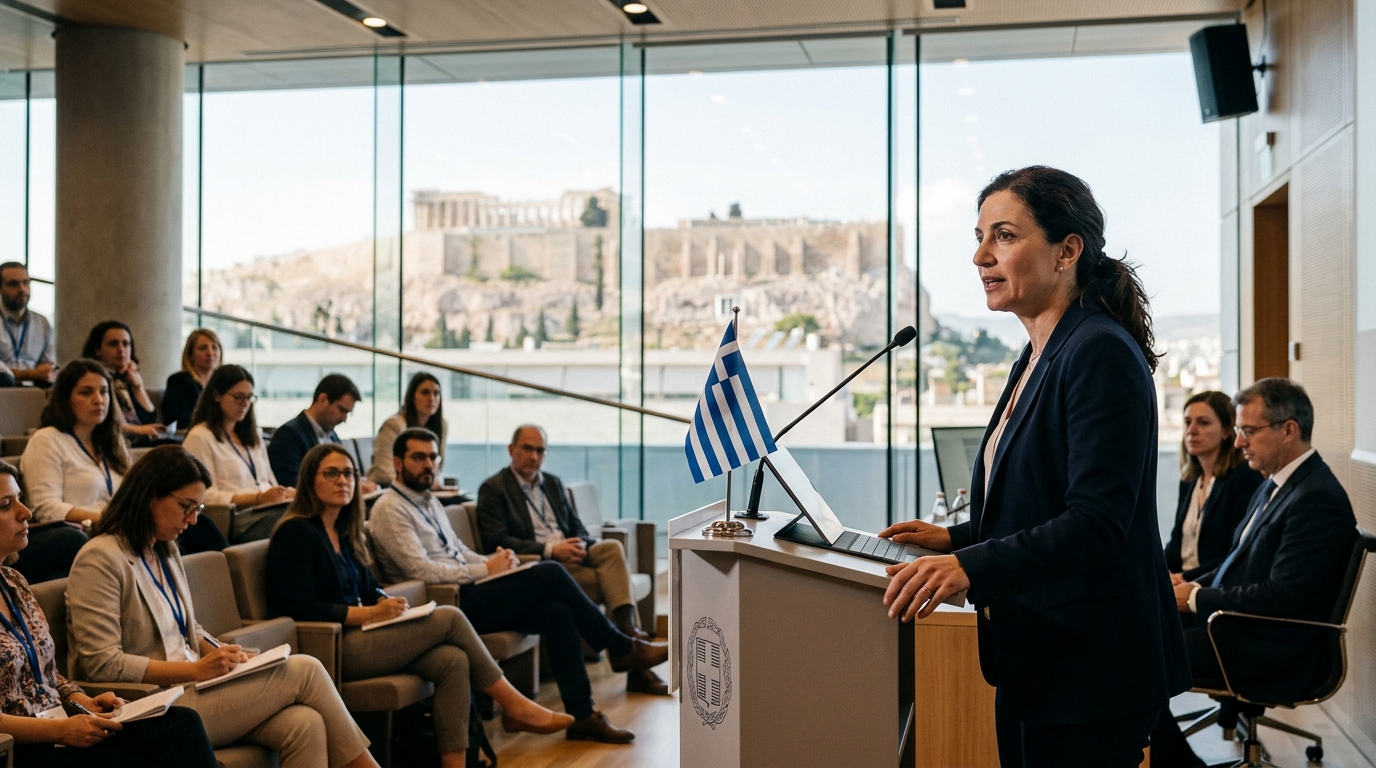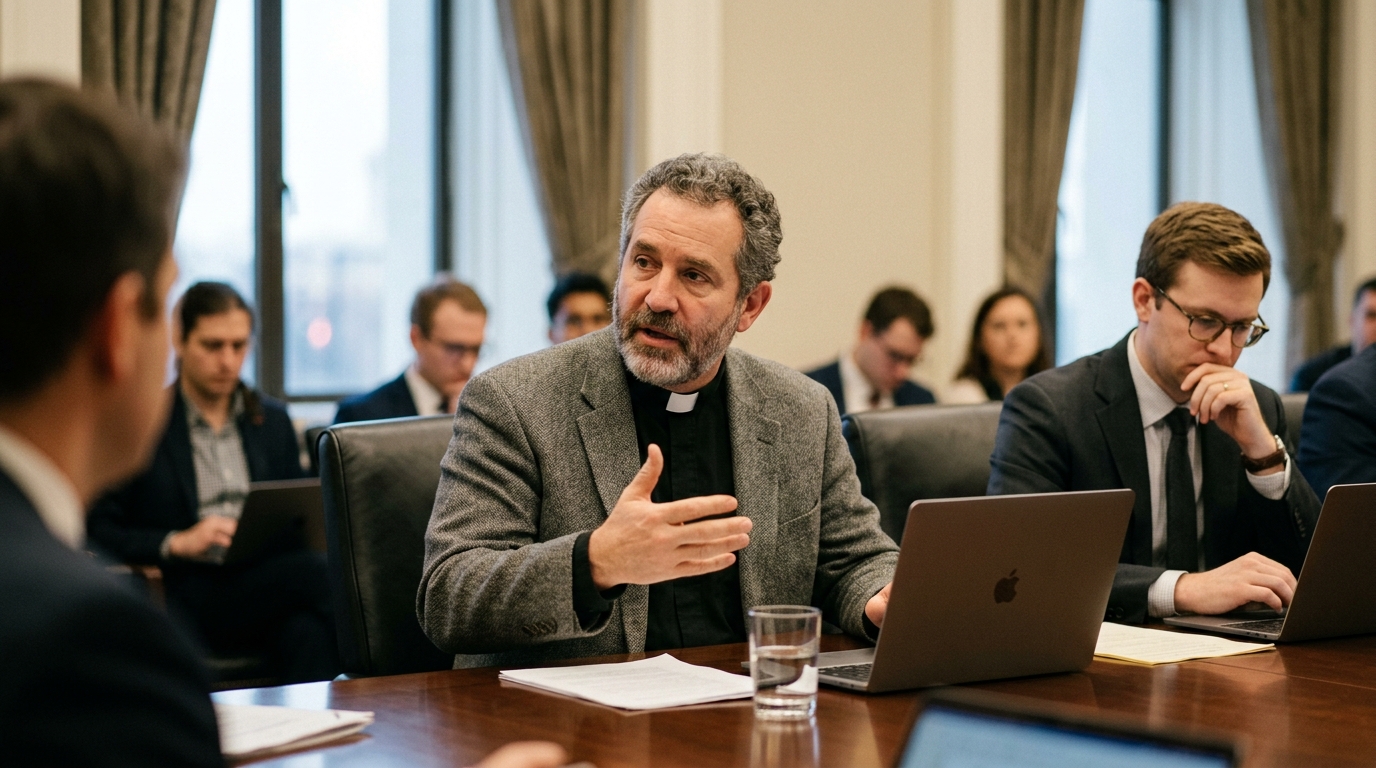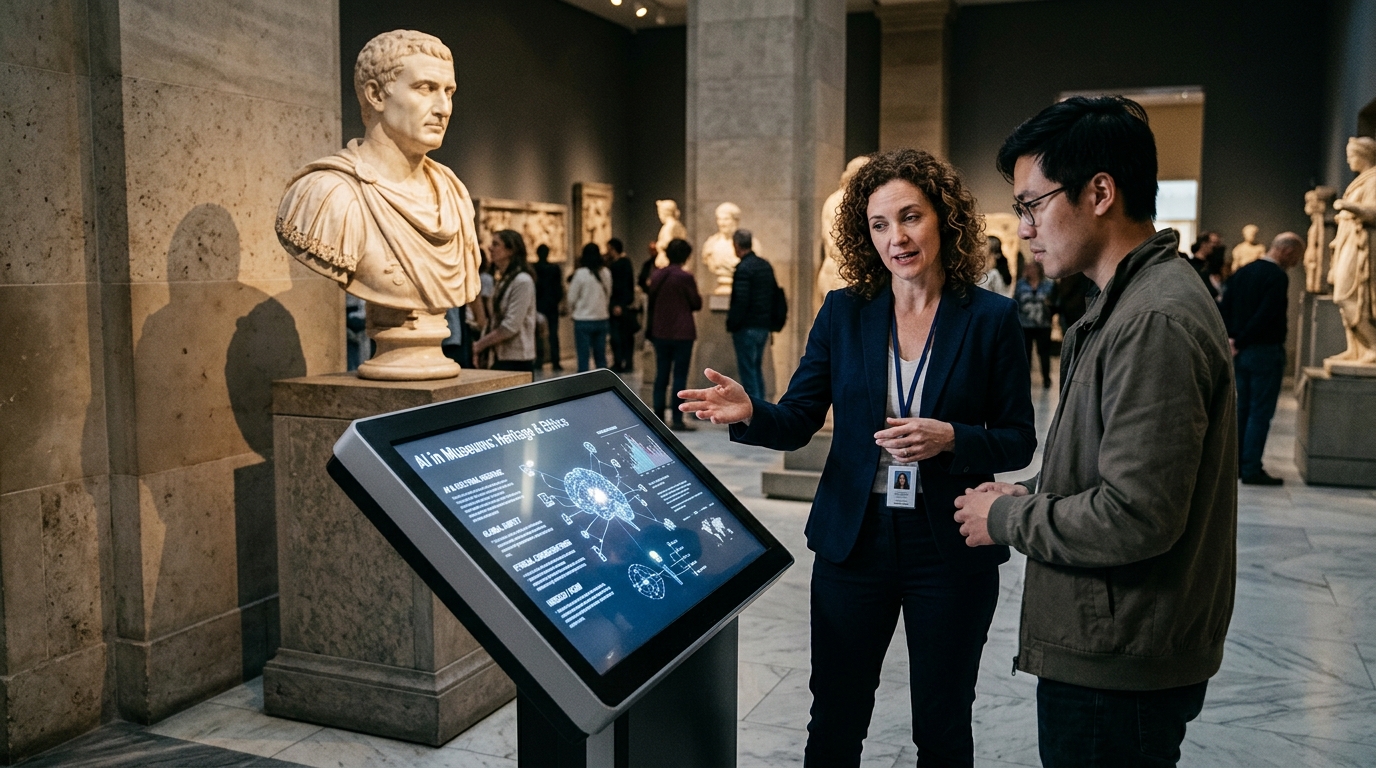
In an era where technology evolves at a pace that often outstrips the ability of institutions to assimilate it, UNESCO and the International Council of Museums (ICOM) have announced the launch of a comprehensive global survey. The goal is to understand how Artificial Intelligence (AI) is reshaping the museum landscape, from collection management and art restoration to visitor experience and the ethics of digital ownership.
This move is not merely a bureaucratic exercise. It represents a critical effort to lay the groundwork for a global ethical framework. As museums worldwide—from the Louvre and the Metropolitan Museum of Art to smaller regional institutions—experiment with Generative AI and machine learning algorithms, fundamental questions arise: Who owns the copyright of a digital work created by AI? How can we ensure that algorithms do not replicate colonial biases in the classification of history?
The Digital Renaissance and the Preservation of Memory
The integration of AI in museums promises a new "Renaissance." Already, AI tools are being used to analyze thousands of documents and artifacts, allowing curators to discover connections that would have taken decades of human labor. In the field of conservation, AI helps predict the degradation of materials and digitally reconstruct damaged masterpieces with millimeter precision.
However, UNESCO warns that this progress is not uniform. The "digital divide" remains a harsh reality. While museums in the global North invest in interactive AI guides and virtual reality, many institutions in the global South still lack basic digital infrastructure. The UNESCO and ICOM survey specifically aims to identify these inequalities to propose policies that will make technology accessible to all while protecting cultural diversity.
Ethical Quandaries and the Authenticity of Art
One of the most thorny issues the survey examines is the ethical use of data. Many museums use visitor data to personalize the browsing experience, raising privacy concerns. Furthermore, the use of AI in content creation—such as "live" conversations with holograms of historical figures—raises the question of historical accuracy. Can an algorithm convey the "spirit" of an artist or a philosopher without distorting their message?
"Artificial Intelligence should not replace human judgment, but enhance it. Authenticity is the foundation of museums, and technology must act as a protector of this value, not a substitute," says an ICOM official.
The survey will also explore the phenomenon of NFTs and AI-based digital art, examining how museums can incorporate these new media into their collections without sacrificing their academic standards. The challenge is to find a balance between innovation that attracts younger generations and the preservation of scientific validity.
Toward a Global Governance Framework
The survey results are expected to be presented in late 2026 and will form the basis for UNESCO's new guidelines. These guidelines will address the transparent use of algorithms, ensuring inclusion, and protecting jobs in the cultural sector. There is significant concern about whether automation will lead to a reduction in staff, such as guides and archivists, or if it will free them from repetitive tasks to focus on more creative activities.
In a world flooded with deepfakes and misinformation, museums remain "beacons of truth." Ensuring that AI is used to enhance this truth, rather than erode it, is perhaps the most important challenge of the decade for global culture. The UNESCO and ICOM initiative is the first step in ensuring that our past remains secure in the digital future.