Humanity stands at a critical juncture where technological progress is accelerating at speeds that far outpace the capacity of institutions to oversee it. Recent reports and statements from the United Nations highlight a growing concern: Artificial Intelligence (AI), while promising solutions to global problems, carries risks that could undermine human rights, democracy, and international security. Simultaneously, Europe—the self-proclaimed beacon of regulation through the AI Act—is facing severe challenges in implementing technology at its own borders, revealing a gap between theoretical ethics and practical enforcement.
The UN Warning: A Digital Divide and Existential Risks
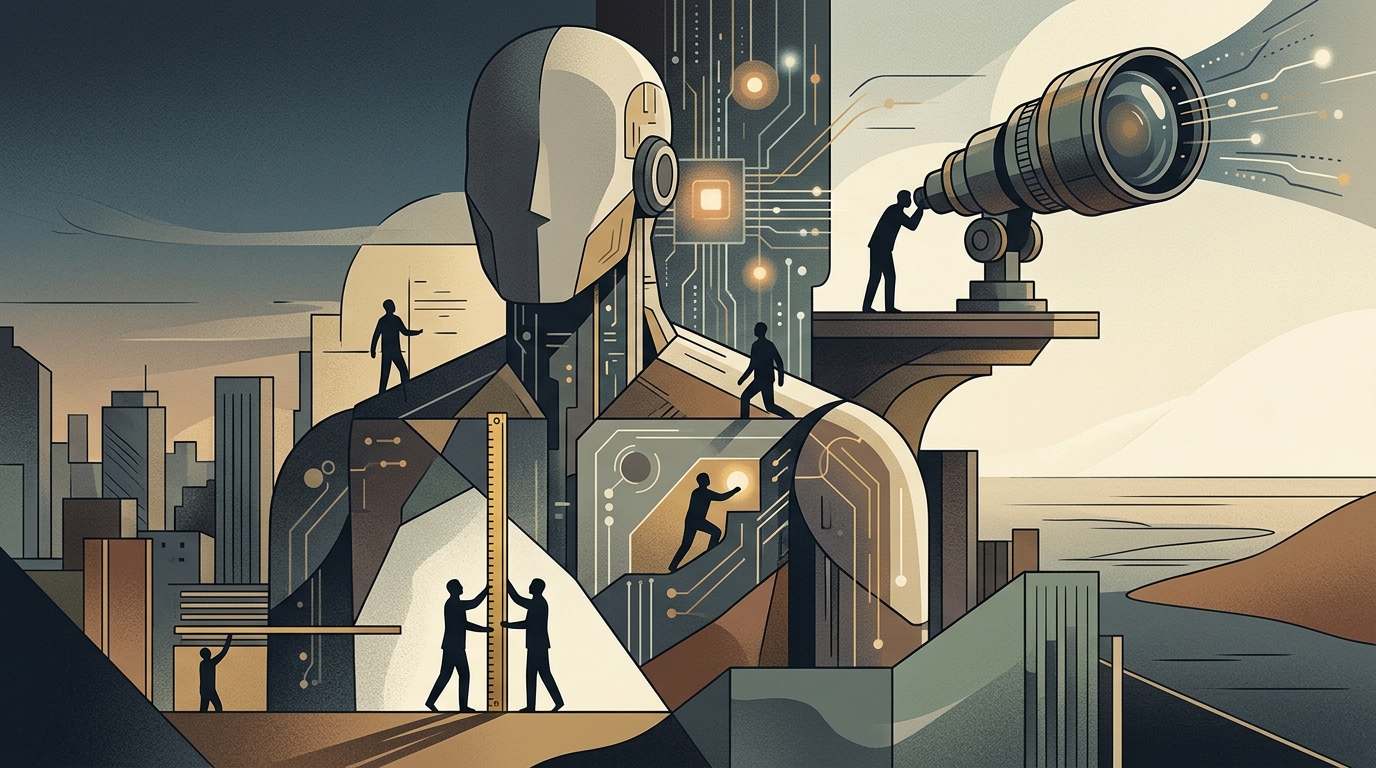
UN Secretary-General António Guterres has repeatedly emphasized that AI is not merely a tool but a force capable of reshaping global power dynamics. The organization’s primary concern focuses on "digital colonialism" and the exacerbation of inequalities between the Global North and the Global South. While advanced economies reap the benefits of automation, developing nations risk being left behind, lacking access to the infrastructure and knowledge required to govern these systems effectively.
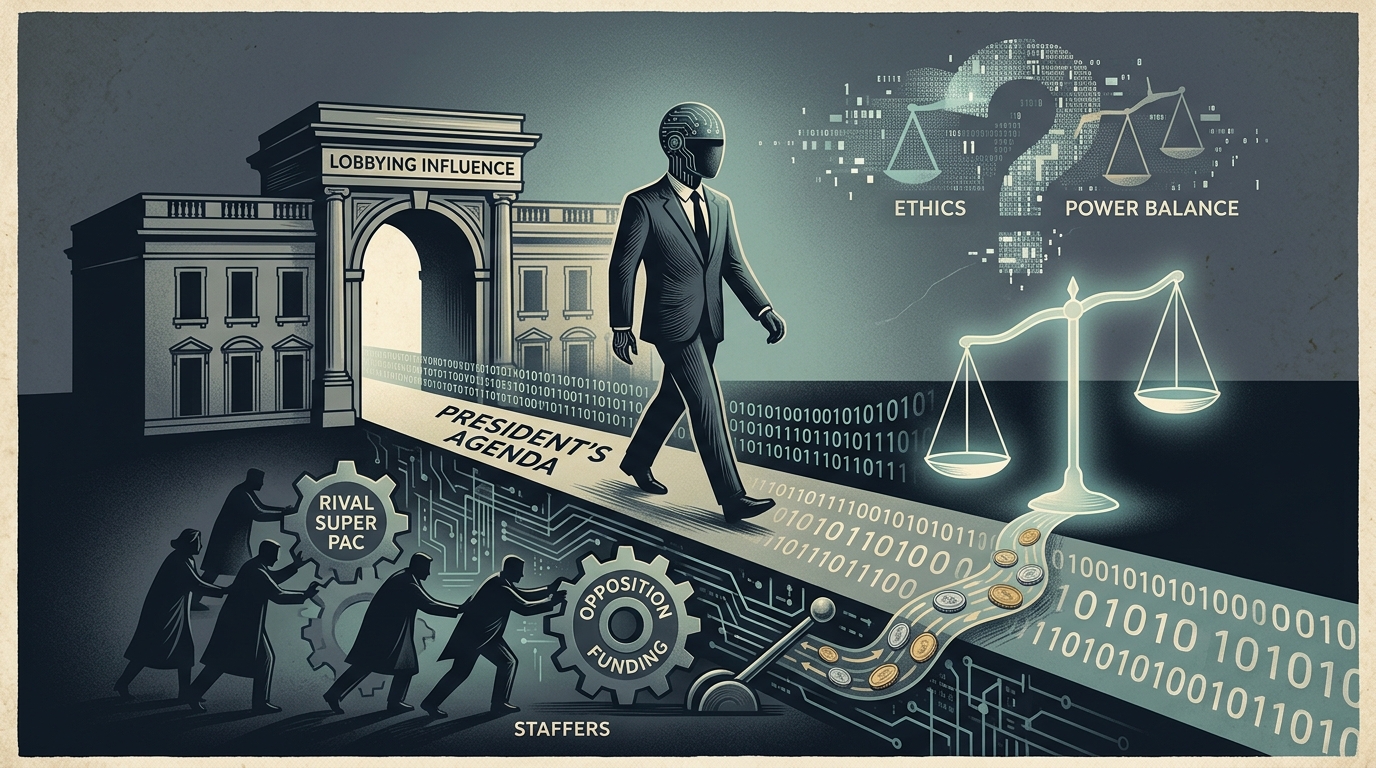
Furthermore, the UN warns against the use of AI in spreading disinformation and manipulating public opinion. In a year marked by critical elections worldwide, the ability of algorithms to generate deepfakes and target voters with surgical precision poses a direct threat to social cohesion. The call for a "Global Digital Compact" has become urgent, aiming to establish a shared framework of principles to ensure that technology serves humanity rather than the other way around.
Europe: The Fortress of Algorithms and Border Challenges
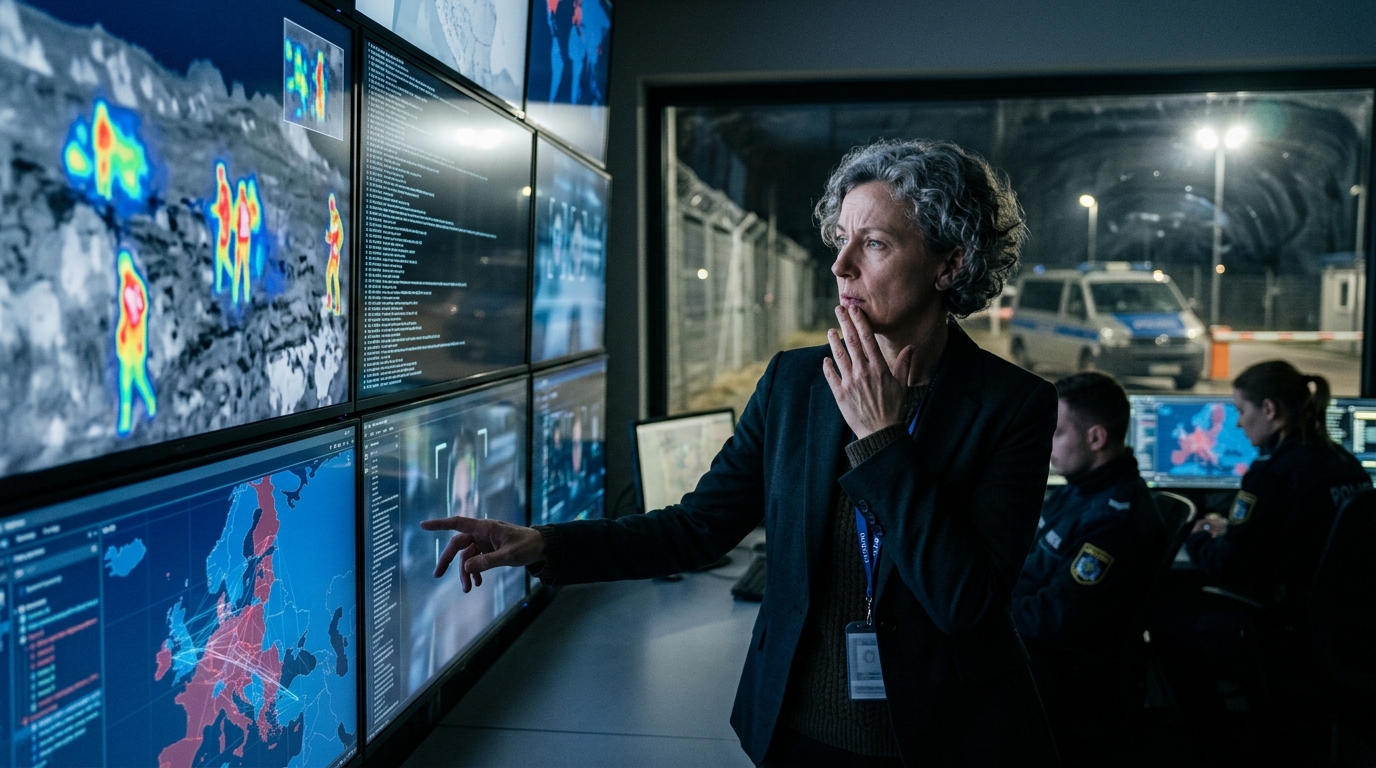
While the UN speaks on a global scale, the European Union is grappling with a much more tangible challenge: the management of its digital borders. The Entry/Exit System (EES) and the European Travel Information and Authorisation System (ETIAS), which rely on biometric data and advanced algorithms, have suffered successive delays. The promise of "smart" border management is clashing with technical difficulties and intense backlash from human rights organizations.
The use of AI for risk analysis and traveler identification raises significant questions about algorithmic bias. Fears persist that these systems could reinforce racial profiling, as facial recognition algorithms have been proven less accurate for non-Caucasian features. Europe is called to balance security with its core values, even as political pressure to control migration flows leads to increasingly intrusive technological solutions.
The Ethics of Surveillance and the Future of Governance
The central issue emerging is accountability. Who is responsible when a border algorithm incorrectly denies entry to an individual? Or when an AI platform amplifies hate speech in a sensitive region? The UN proposes the creation of an international scientific body for AI, similar to the Intergovernmental Panel on Climate Change (IPCC), to provide objective knowledge and guide political decisions.
In Europe, the implementation of the AI Act will be the ultimate test. If the EU succeeds in enforcing strict transparency and oversight on "high-risk" systems, such as those used in policing and border control, it will have set a global standard. However, if exemptions for "national security" become the norm, digital Europe risks transforming into a panopticon of surveillance, validating the UN's darkest warnings about the misuse of technology.
Conclusion: The Necessity of a Human-Centric Approach
Technology is not destiny; it is a choice. The UN’s warnings and Europe’s struggles with digital borders are two sides of the same coin: the need for governance that places humans at the center. International cooperation is the only path to ensuring that Artificial Intelligence becomes a tool for liberation rather than oppression. The coming months will be decisive in determining whether we can build bridges of communication or whether we will erect new, invisible digital walls that divide us more than ever before.