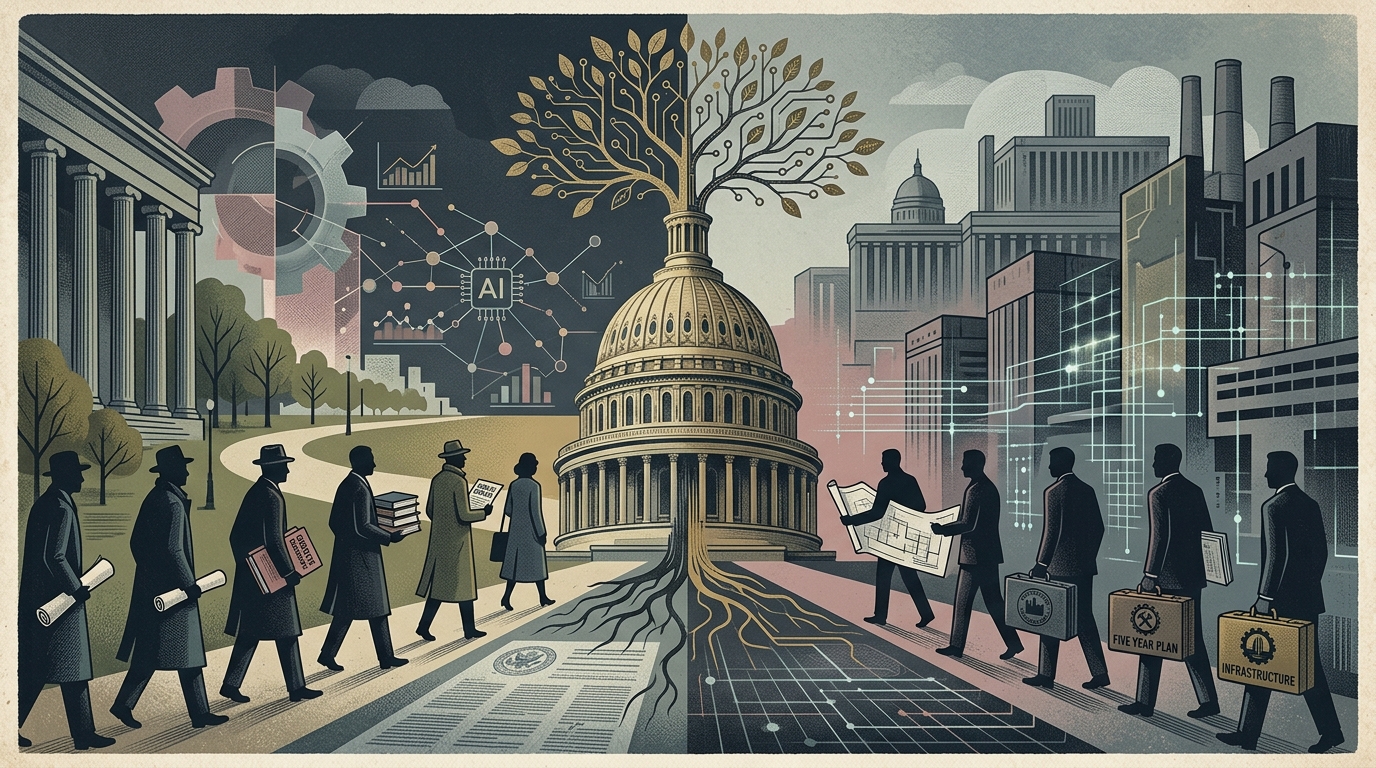
In the spring of 2026, our relationship with Artificial Intelligence has transitioned from wide-eyed novelty to mundane dependency. We no longer consult chatbots merely for sourdough recipes or draft emails; we are increasingly outsourcing the steering of our lives to them. A recent call to action by The Guardian, inviting readers to share stories of significant decisions made via AI that ended in regret, highlights a chilling trend: the erosion of human agency in the face of algorithmic confidence.
The Seduction of Artificial Certainty
The core issue is not just technical fallibility—halluciation and bias—but a psychological vulnerability. In an era of polycrisis and overwhelming complexity, the promise of a 'neutral' and 'objective' answer is intoxicating. This phenomenon, known as 'automation bias,' describes our tendency to favor suggestions from automated systems, even when they contradict our common sense or professional expertise.
The Guardian’s inquiry touches on high-stakes domains: medical self-diagnosis, career pivots, financial investments, and even the nuances of interpersonal relationships. AI, with its authoritative tone, provides answers that lack empathy and, crucially, context. When a user follows this advice and it leads to failure, the regret is compounded by the realization that they surrendered their most human attribute—judgment—to a probabilistic engine that doesn't actually 'know' anything.
The Accountability Gap and Moral Hazard
A primary concern emerging from these stories is the total vacuum of accountability. If a doctor misdiagnoses, there is a framework for justice. If a financial advisor leads you astray, there are legal recourses. But when a chatbot from a trillion-dollar tech giant offers life-altering advice that results in personal ruin, the responsibility vanishes into the fine print. Terms of service explicitly state these tools are 'for informational purposes only,' yet the user interface is designed to be as persuasive and human-like as possible.
- The Myth of Objectivity: Training data carries the scars and biases of history.
- The Cost of Convenience: Outsourcing thought processes weakens our cognitive muscles.
- The Psychology of Regret: The unique sting of realizing one was misled by a sophisticated 'autocompletion' tool.
'AI doesn’t make decisions; it generates probabilities. Confusing the two is the greatest fallacy of our time,' notes one respondent in the investigation.
Reclaiming the Human Element
The path forward is not Luddite rejection, but a radical re-centering of human judgment. AI must be viewed as a sophisticated clerk, not an infallible oracle. Developing 'algorithmic literacy' is now as vital as basic literacy once was. We must learn to interrogate the source, cross-reference the output, and most importantly, re-learn to trust our intuition—that synthesis of lived experience that no machine can truly replicate.
Ultimately, the Guardian's project serves as a mirror for 2026 society. It reminds us that the essence of freedom is the right to make our own mistakes—mistakes that belong to us, rather than being the byproduct of a glitch in a distant server's code. As we navigate this automated landscape, we must remember that a life lived by proxy is no life at all.