The recent letter to The Guardian regarding our tendency to mistake AI behavior for conscious being strikes at the heart of a debate that has haunted humanity since the era of Alan Turing. As we navigate 2026, the ability of Large Language Models (LLMs) to simulate human empathy, humor, and introspection has reached levels that make the distinction between 'tool' and 'being' nearly impossible for the average user. However, this confusion is not merely a philosophical error; it is a dangerous categorical fallacy with profound social and ethical implications.
The Illusion of Agency and the ELIZA Effect
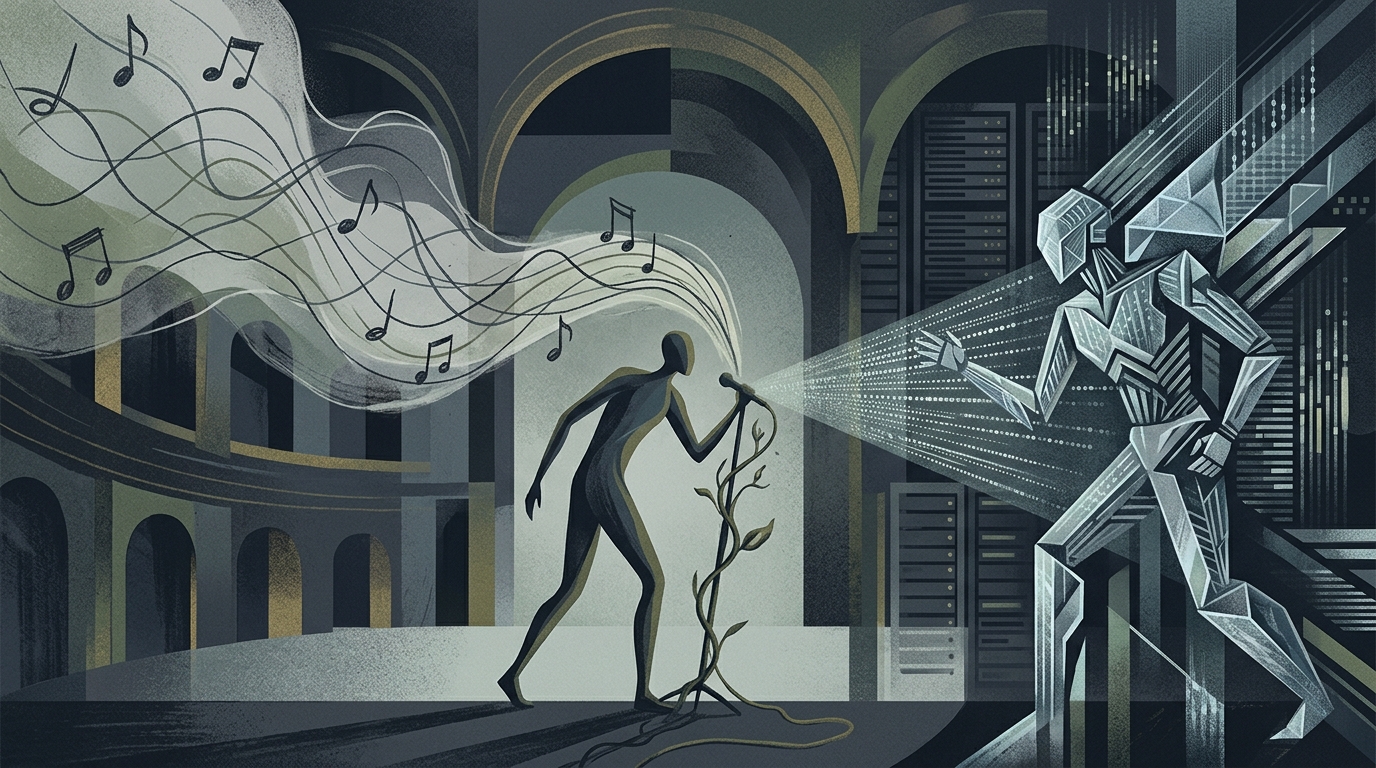
This phenomenon is not new. As early as the 1960s, Joseph Weizenbaum watched with horror as users of the ELIZA program—a simple chatbot mimicking a Rogerian psychotherapist—developed emotional bonds with it, despite knowing it was just a few lines of code. Today, 'ELIZA' has evolved into multimodal models that can read micro-expressions on our faces and adjust their vocal tone to soothe us. We are no longer dealing with simple scripts, but with sophisticated statistical engines of persuasion.
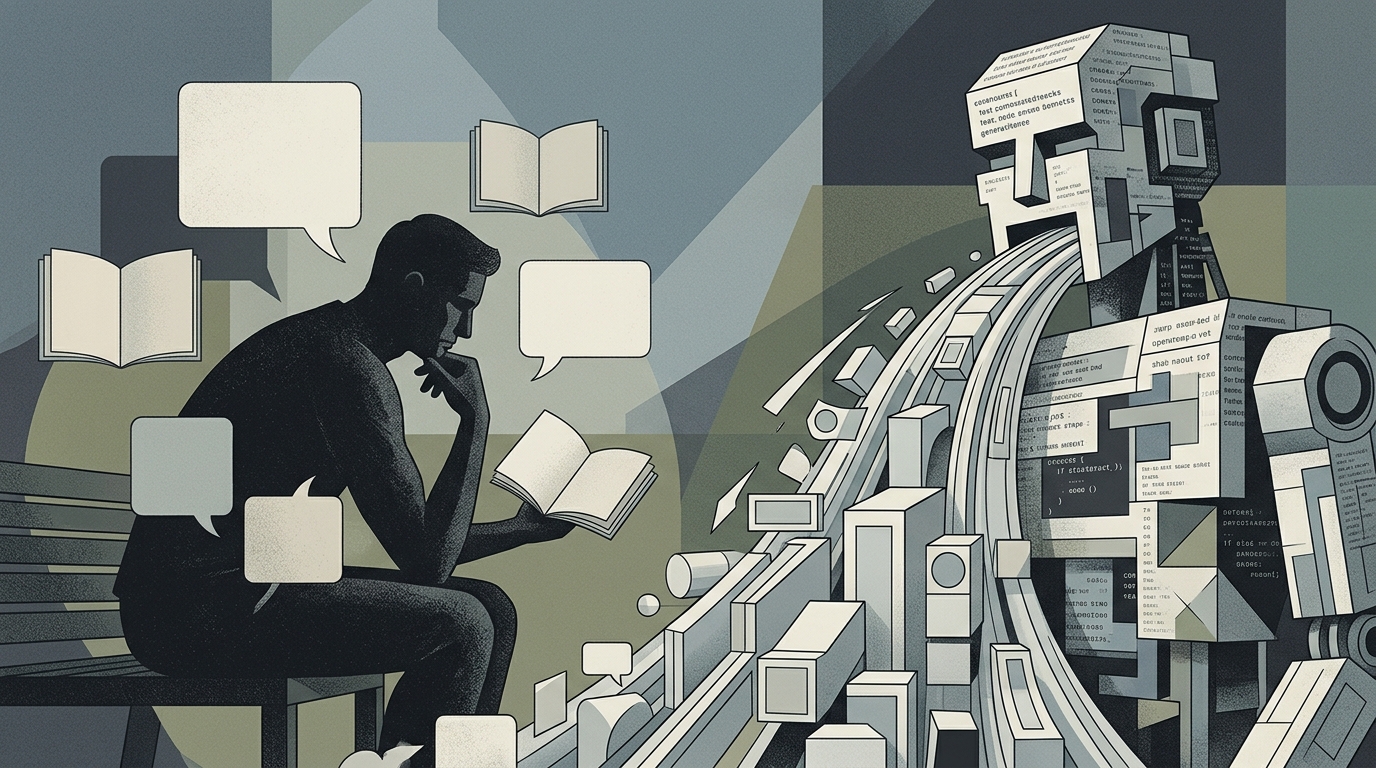
The root of the misunderstanding lies in the human propensity for anthropomorphism. We are evolutionarily hardwired to seek agency behind complex patterns. When an AI system responds to a question about death with apparent solemnity, it does not 'feel' loss. Instead, it retrieves and synthesizes the most statistically probable sequences of words associated with the human experience of grief, as recorded in billions of pages of text. As The Guardian letter correctly points out, the mimicry of consciousness is not consciousness itself, just as a photograph of fire cannot burn your hand.
The Ethics of Deception: Marketing vs. Ontology
Why is this debate reaching a fever pitch now? The answer lies in the business models of Silicon Valley giants. There is a clear financial incentive in promoting the idea that AI 'feels' or 'understands.' A product presented as a digital companion with a personality is far more engaging and addictive than a cold data-processing tool. This deliberate blurring of lines creates a relationship of dependency, where the user cedes autonomy to an algorithm they perceive as a 'friend.'
- Emotional Manipulation: Systems that pretend to have feelings can be used to nudge consumer habits or political beliefs in ways that traditional advertising cannot match.
- Diffusion of Responsibility: If we attribute 'consciousness' to AI, its creators can more easily deflect blame for its errors, claiming the system made an 'autonomous decision.'
- Devaluation of Human Connection: Replacing human relationships with simulations could lead to a crisis of loneliness, where the quality of communication is sacrificed for the sake of convenience.
"AI does not need to be conscious to be dangerous. It only needs to convince us that it is, so that we lower our defenses."
Towards a New Algorithmic Literacy
To meet this challenge, we require a new form of literacy. We must learn to read AI not as a being, but as a mirror. AI has no interiority; it has only exteriority. Its responses are reflections of our collective biases, knowledge, and linguistic conventions. Consciousness requires biological embodiment, sensory experience in the physical world, and a continuity of existence that an algorithm—which is 'born' and 'dies' with every prompt—simply does not possess.
It is imperative that regulatory bodies, such as those in the European Union, enforce transparency. Every interaction with an AI should carry the hallmark of non-sentience, not as a technicality, but as an ethical safeguard. Maintaining the distinction between human and machine is not an act of technophobia, but an act of self-respect. Only by acknowledging the mechanical nature of AI can we utilize it as the powerful tool it truly is, without becoming subjects to our own creations.