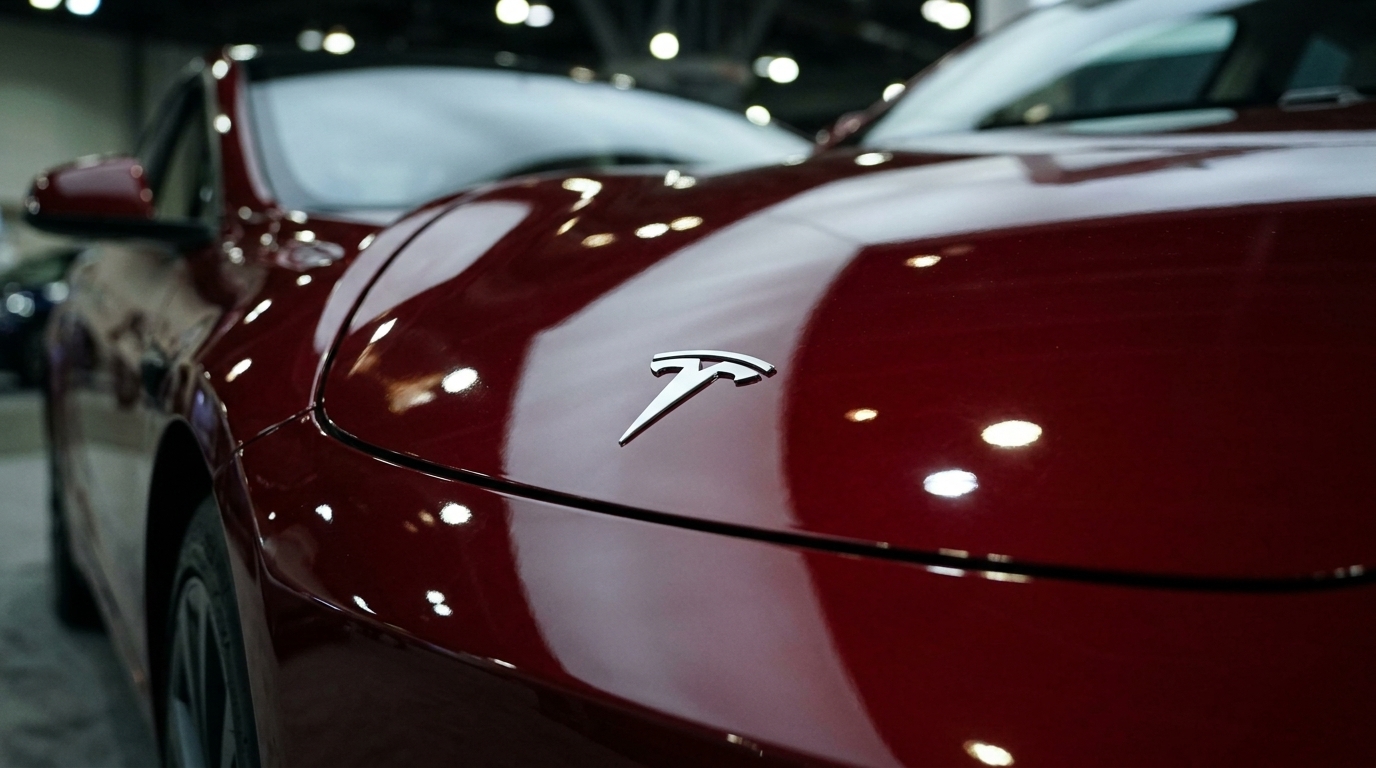
The arrest of 44-year-old Michael Butler in Katy, Texas, is more than just another traffic fatality report. It marks a pivotal moment in the unfolding legal and ethical battle surrounding autonomous driving. Butler faces manslaughter charges after his Tesla Model 3 veered off the road, crashed into a home, and killed a woman inside. The driver's claim that he was using Tesla’s Full Self-Driving (FSD) software at the time of the collision opens a Pandora’s box for automakers and regulators alike.
The Gap Between Marketing and Reality
For years, Tesla and Elon Musk have promoted FSD as a technology nearing total autonomy. However, in practice, the system remains a "Level 2" automation, requiring the driver to keep their hands on the wheel and eyes on the road at all times. The branding "Full Self-Driving" has been fiercely criticized by road safety experts for creating a false sense of security and encouraging automation bias—the tendency for humans to over-rely on automated systems even when they fail.
In Butler’s case, authorities must decide whether the blame rests solely with the human behind the wheel or if the system's design contributed to the tragedy. While Tesla explicitly states that the driver is responsible, legal pressure is mounting. Prosecutors argue that operating such a system in an urban environment at high speeds without proper oversight constitutes criminal negligence.
The 'Moral Crumple Zone'
Sociologist Madeleine Clare Elish coined the term "moral crumple zone" to describe how human operators often bear the full legal and moral weight for the failure of complex algorithmic systems. Just as a car’s crumple zone absorbs the energy of an impact to protect passengers, the driver acts as the legal buffer, shielding the company that built the software from accountability.
- The complexity of software code makes proving systemic failure in court exceptionally difficult.
- Tesla’s terms of service explicitly transfer all liability to the user.
- Regulatory bodies like the NHTSA have been slow to mandate strict standards for the naming and operational limits of these systems.
The Texas crash is particularly harrowing because the victim was not even on the road. The violation of a private sanctuary by a "smart" vehicle highlights the inherent risks of testing unfinished technologies in public spaces. This is no longer just about driver safety; it is about the safety of society at large.
Legal Precedent and Future Implications
This case is expected to set a major legal precedent. If Butler is convicted, it will reinforce the view that the driver remains the sole party accountable, regardless of how misleading a company's marketing might be. Conversely, if the defense successfully argues that FSD behaved in a way a reasonable human could not predict or correct in time, Tesla could face civil and potentially criminal liabilities that would reshape the future of the industry.
The need for data transparency is urgent. Authorities must have access to vehicle telemetry without relying solely on the manufacturer’s interpretation. Only then can justice be served in an age where the lines between human and machine agency are becoming increasingly blurred. As we move forward, the question remains: are we willing to accept these "experimental" risks on our public streets, or is it time for the law to catch up with the silicon?