The era when queues outside Apple Stores for the latest iPhone served as the ultimate symbol of technological status seems to be giving way to a new, more pragmatic reality. According to recent market data, there is an unprecedented surge in sales of used and refurbished devices, with Xbox consoles, iPhones, and MacBooks leading the trend. This is not merely a transient reaction to high prices, but a structural shift in how the modern consumer perceives the value of technology.
Economic Pressure and the Price Barrier
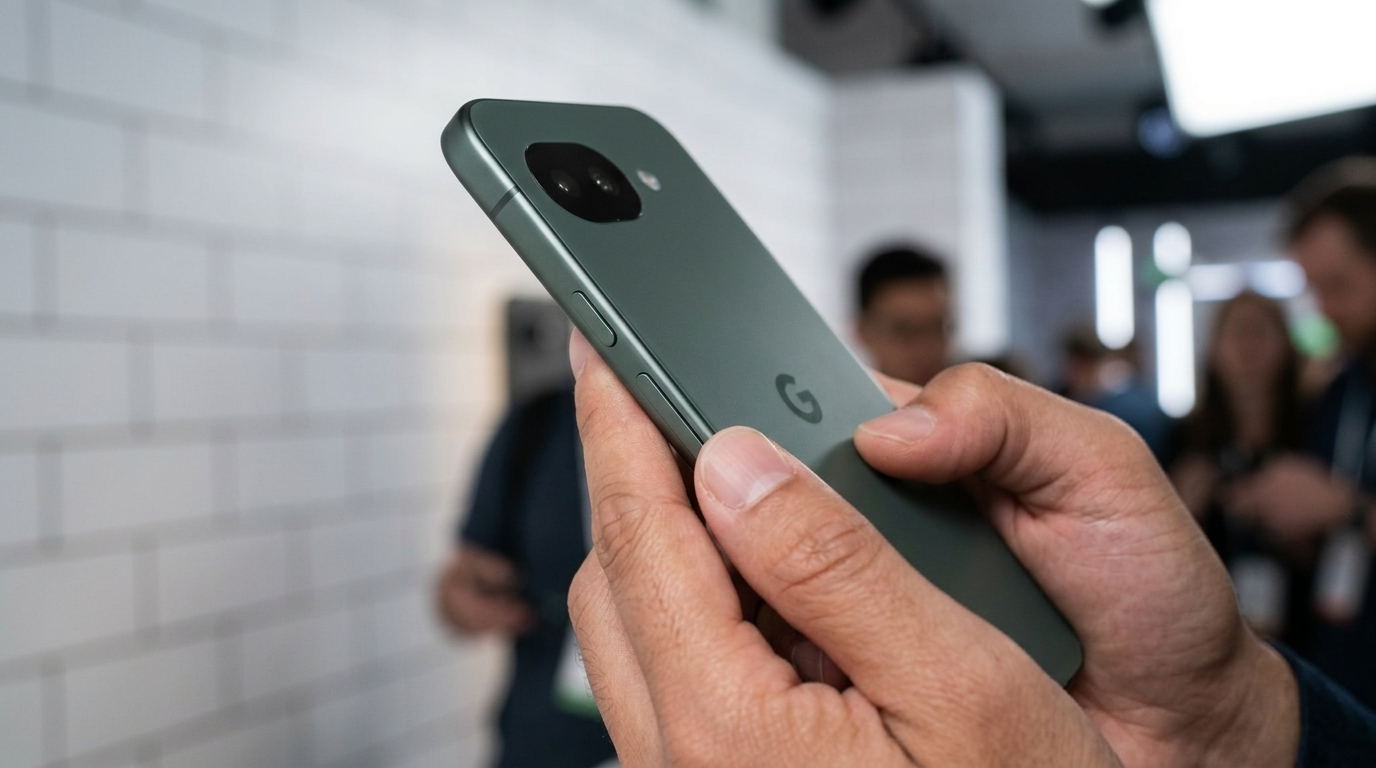
The primary driver of this shift is undoubtedly cost. With the prices of new flagship smartphones consistently exceeding the $1,200 mark and high-end laptops reaching stratospheric heights, a large portion of the middle class feels excluded from the "brand new" market. Inflationary pressures over recent years have eroded disposable income, making the purchase of a three-year-old device an extremely attractive alternative. An iPhone 13 or 14 remains an exceptionally powerful device in 2026, offering 90% of the experience of an iPhone 17 at half the cost.
Furthermore, the industry faces new supply chain challenges. Despite post-pandemic stabilization, the prices of memory chips (NAND and DRAM) have shown upward trends, driving up manufacturing costs. Manufacturers, attempting to maintain their profit margins, pass these costs onto the end consumer, inadvertently boosting the secondary market.
Skepticism Toward Artificial Intelligence
One of the most interesting factors highlighted by the Fortune report is consumer attitude toward new AI features. While Apple, Microsoft, and Google invest billions in promoting the "AI Phone" or "AI PC," the average user remains skeptical. Many consider current on-device AI applications to be more "marketing gimmicks" than essential tools that improve daily life.
"Why should I pay a premium price for a processor that runs AI models I don't use?" is the question many buyers are asking. This lack of a "killer app" requiring the latest hardware extends the lifespan of older devices. A MacBook Pro with an M1 or M2 chip remains overkill for 95% of office tasks and content creation, making the upgrade to an M4 or M5 less imperative.
The Rise of the Circular Economy and Gaming
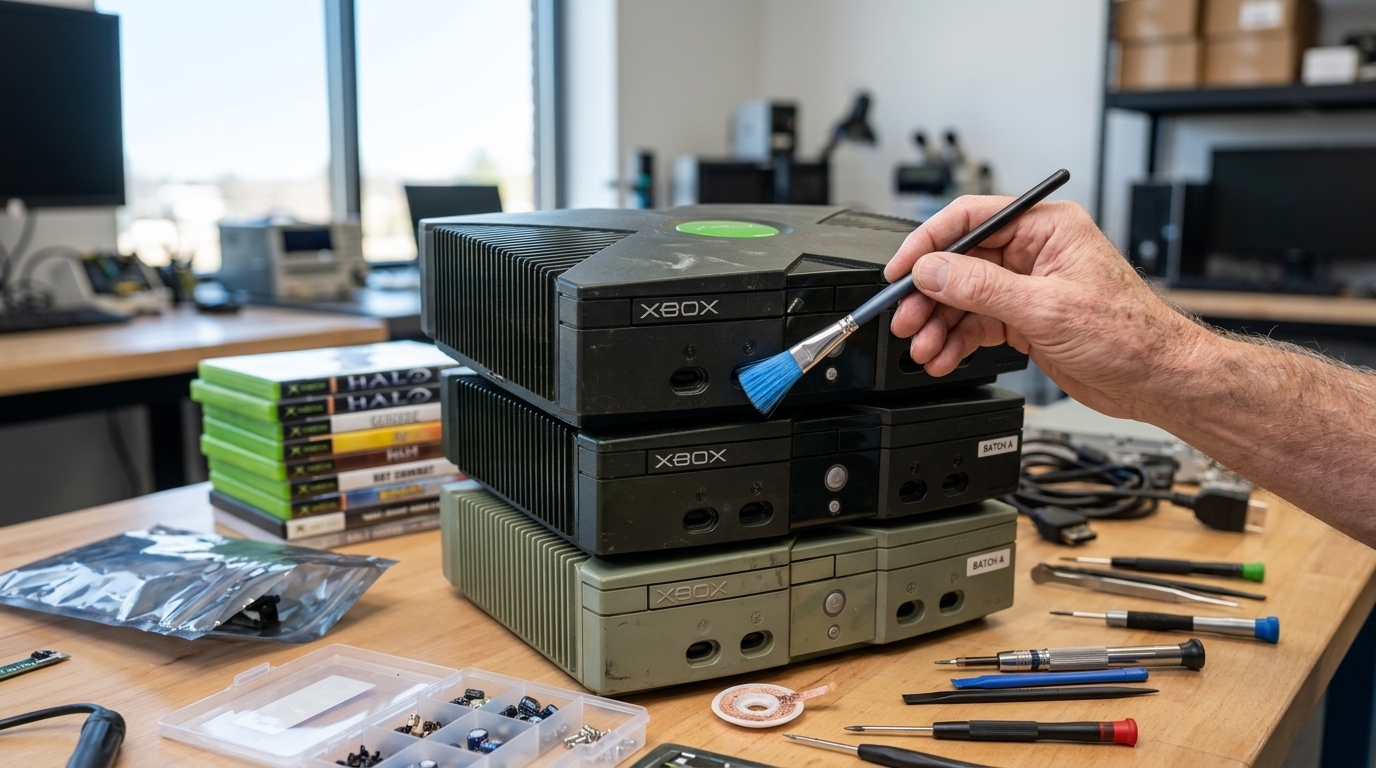
In the gaming sector, the Xbox Series S has emerged as the king of the used market. Microsoft's strategy with Game Pass allows players to access hundreds of titles without needing the most expensive hardware. A used Xbox combined with a subscription offers the best price-to-performance ratio in the history of entertainment. This has created an ecosystem where hardware becomes the vehicle rather than the destination.
At the same time, environmental consciousness (ESG) now plays a role in the decisions of younger generations. Gen Z and Millennials perceive buying used not as a sign of financial weakness, but as an ethical choice against electronic waste (e-waste). The boom of platforms like Back Market and Swappie, which offer warranties and certified inspections, has removed the risk traditionally associated with second-hand goods.
The Future: A Challenge for the Giants
This trend is forcing tech companies to redefine their revenue models. Apple, for instance, is increasingly focusing on Services (iCloud, Apple Music, App Store). A user who buys a refurbished iPhone remains a profitable customer for the services ecosystem. However, the decline in new unit sales could affect long-term innovation and R&D investment.
In conclusion, the explosion of the used market is not just an economic phenomenon. It is the maturation of a market where hardware has reached a plateau of sufficiency, where generational differences are marginal, and where the consumer is reclaiming the power of choice, refusing to follow the exhausting pace of the annual upgrade cycle.