The news struck the global automotive industry like a lightning bolt, but it hit hardest in the hearts of American consumers who believed in Polestar’s vision. The Swedish-branded electric vehicle (EV) maker, owned by Chinese giant Geely, has announced its complete withdrawal from the United States market. This decision was not voluntary but the result of a dead-end conflict with the U.S. federal government over stringent new rules banning Chinese-origin software in 'connected vehicles.' Consequently, thousands of Polestar owners now find themselves in a legal and financial gray zone, holding the keys to vehicles that risk becoming 'digital bricks.'
The Political Conflict Behind the Code
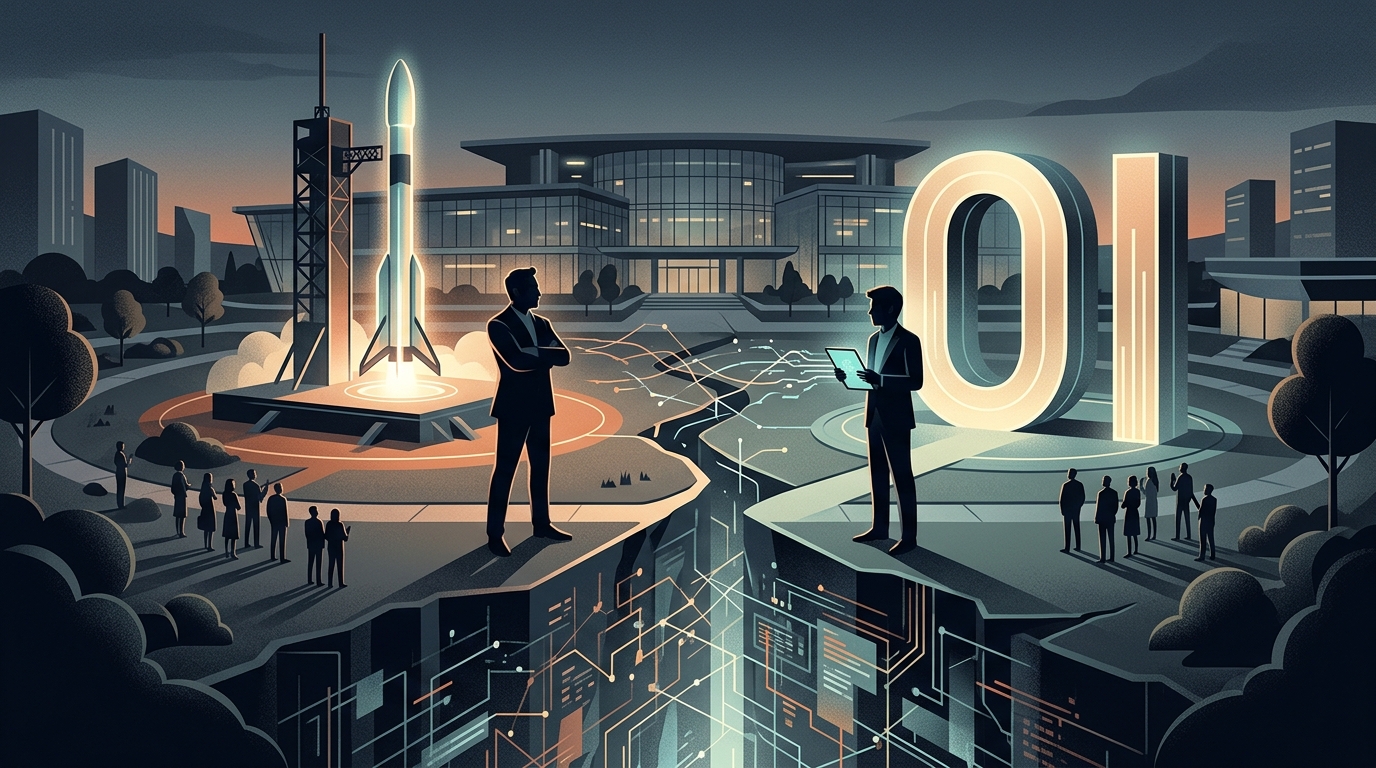
The root of the problem lies not in the engines or the aesthetics, but in the source code. The U.S. Department of Commerce, citing national security concerns, has imposed a sweeping ban on hardware and software originating from China and Russia used for vehicle connectivity. The administration argues that these systems could be exploited for espionage or even remote control of vehicles by foreign adversaries. For Polestar, which relies heavily on Geely’s technological infrastructure, adapting within the mandated timeframe proved impossible.
Despite the company’s efforts to shift production of the Polestar 3 to South Carolina, the car’s 'digital DNA' remained inextricably Chinese. When the company’s application for an exemption was denied, Polestar faced an insurmountable wall: it could no longer sell new cars, nor could it update the software of existing ones without violating federal law. Withdrawal became the only financially viable—though reputationally catastrophic—option.
Owners in Limbo: Warranties and Service at Risk
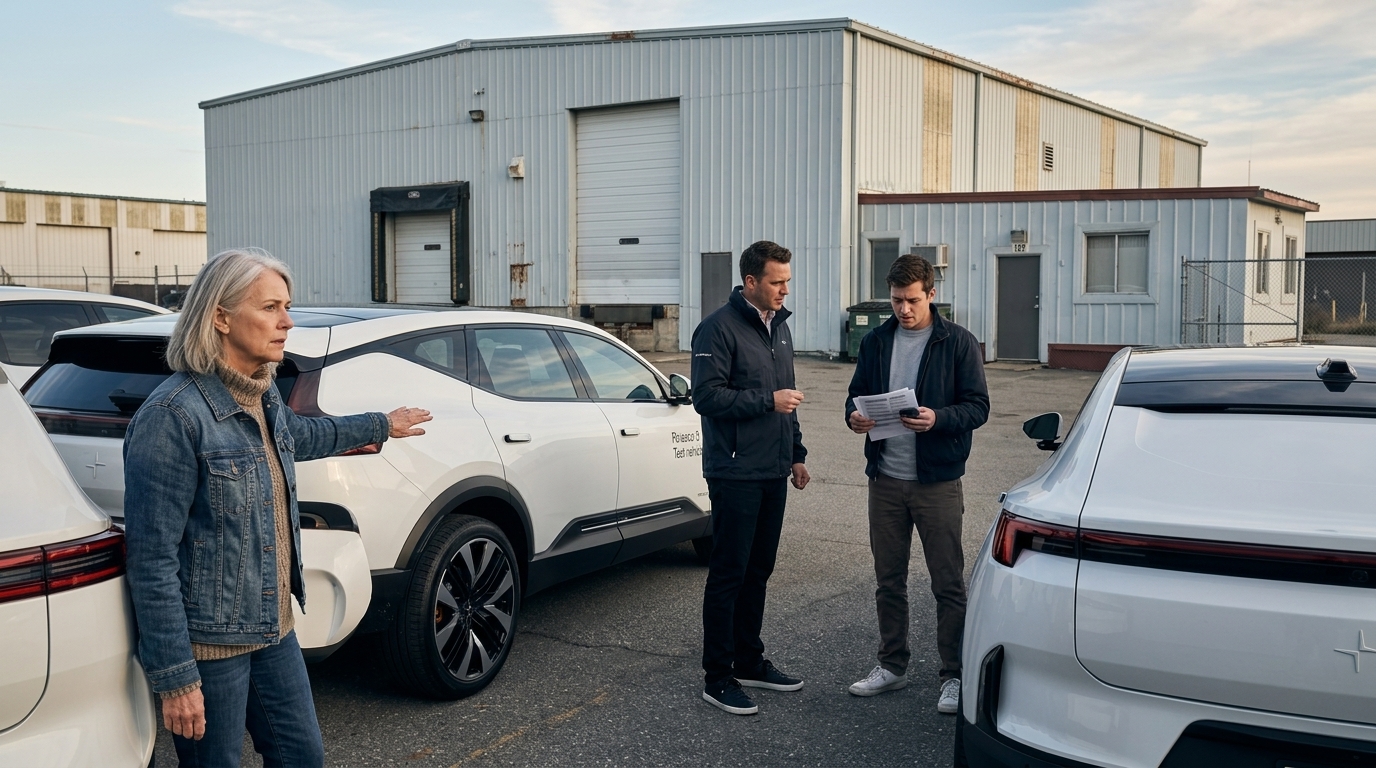
The real drama is unfolding in consumers' garages. One Polestar 2 owner, who purchased his vehicle just six months ago, describes the situation as a 'living nightmare.' With the closure of Polestar 'Spaces' (showrooms), access to specialized service is becoming nearly impossible. Although Polestar promises that warranties will be honored through Volvo’s partner networks, the reality is far more complex. Volvo technicians often lack the specific training or access to Polestar’s proprietary locked systems, particularly regarding software glitches.
- Resale values for used Polestars have plummeted by as much as 40% in just a few weeks.
- Insurance companies are re-evaluating premiums, fearing a total lack of replacement parts.
- Lease holders find themselves trapped in contracts for vehicles that the government officially labels a 'threat.'
This situation highlights a new form of consumer vulnerability in the era of the Software-Defined Vehicle (SDV). When a car depends on the cloud and over-the-air (OTA) updates to function correctly, the cessation of manufacturer support isn't just an inconvenience—it’s a functional death sentence for the machine.
The Broader Message for the EV Market
Polestar’s fall in the U.S. serves as a stark warning to the entire industry. It demonstrates that the globalization of the supply chain, once considered the ultimate competitive advantage, has morphed into a geopolitical trap. Consumers are no longer just buying a product; they are inadvertently betting on the political stability between the manufacturing nation and their own.
“What we are witnessing is the fragmentation of the automotive tech market. The concept of a 'global car' is dying,” says an industry analyst.
For Polestar, the stakes are now centered on survival in Europe and Asia. However, losing the American market deprives the company of critical revenue and forces a total rethink of its strategy as a 'premium Tesla alternative.' For American owners, the lesson is harsh: in the age of digital protectionism, your car is only as good as its manufacturer’s geopolitical standing.
Conclusion and the Road Ahead
Polestar has stated it will attempt to maintain a minimum level of support, but legal hurdles remain immense. If the software itself is deemed illegal, even critical safety updates might be blocked by federal firewalls. This raises a fundamental question: Who bears the responsibility? The company that failed to pivot, or the government that changed the rules of the game while the cars were already on the road? The answer will likely be settled in courtrooms, but for the drivers left 'holding the bag,' the damage is already irreparable.