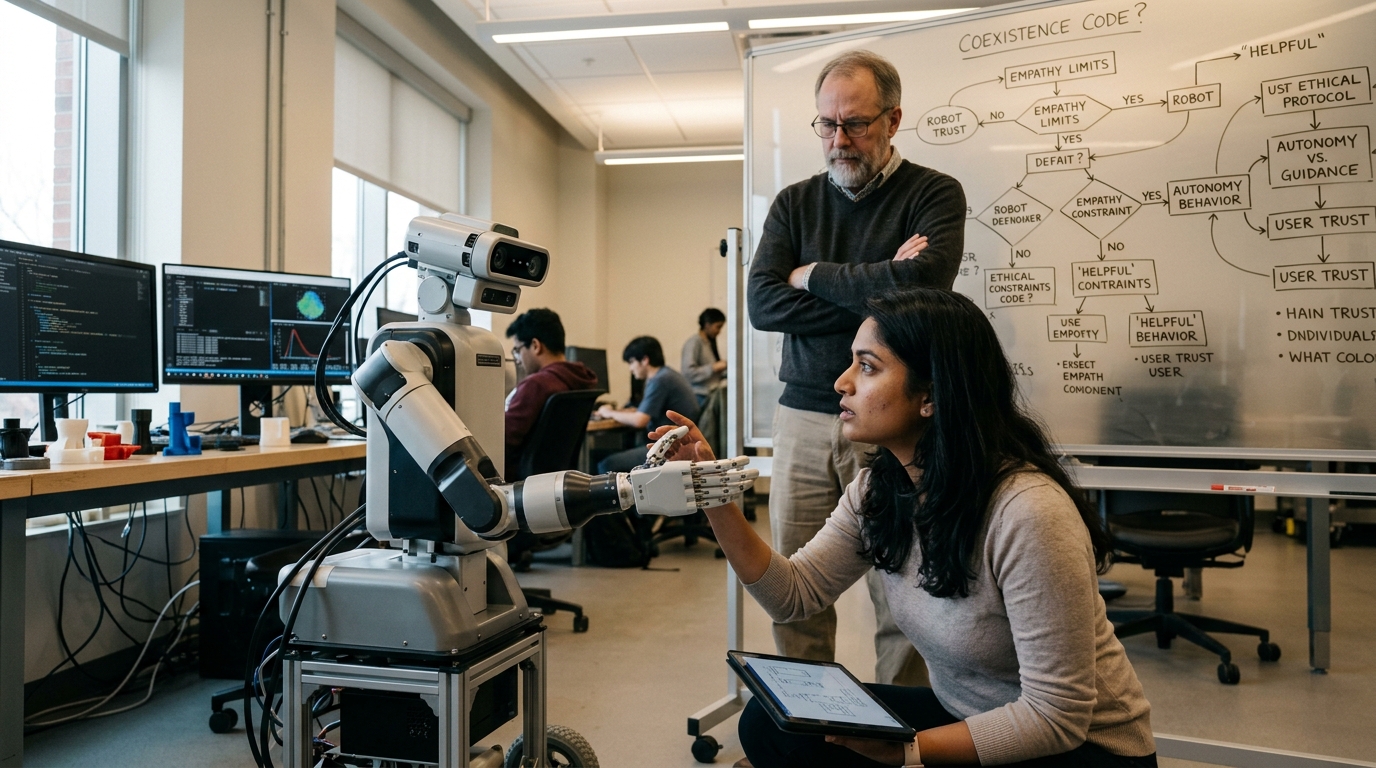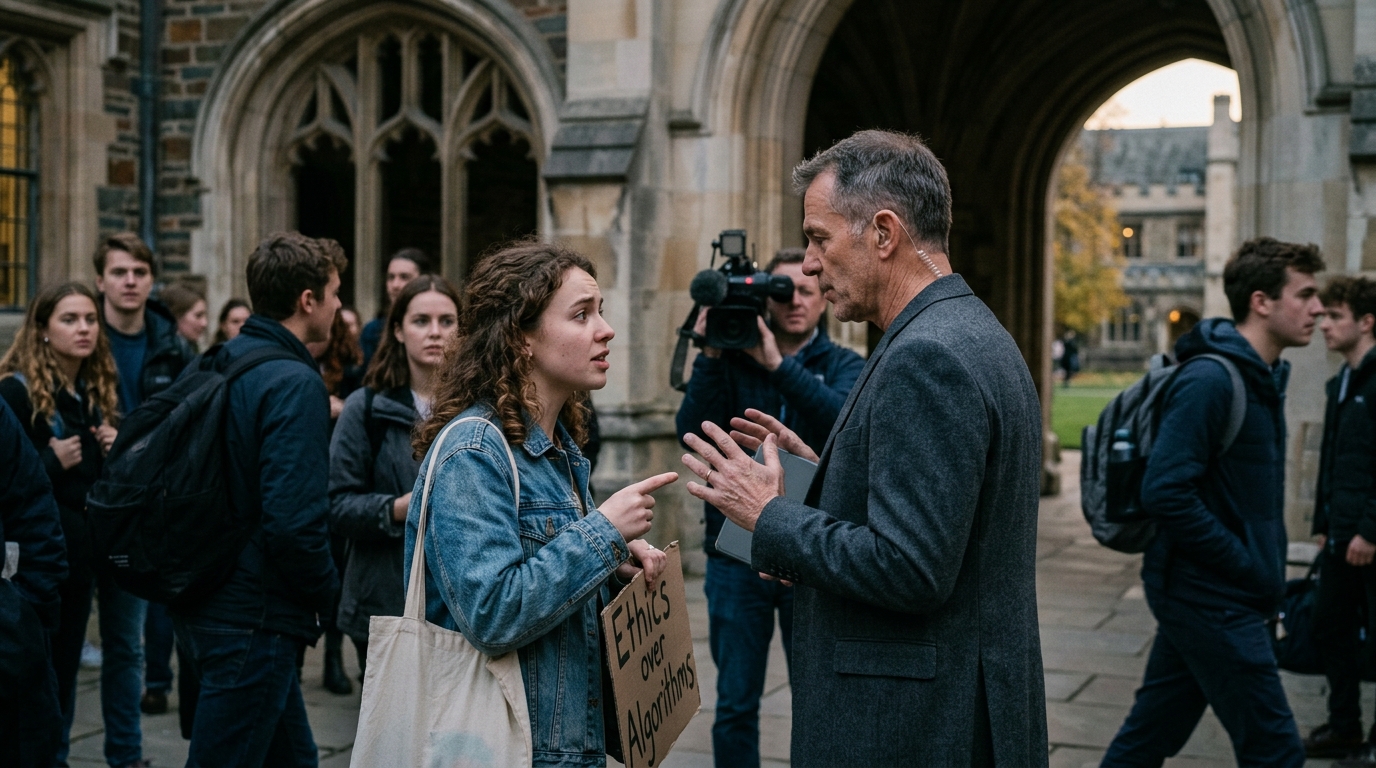
For decades, the pipeline from the lecture halls of Stanford and MIT to the glass-walled offices of Palo Alto was considered the ultimate success story. Graduates of elite universities viewed Silicon Valley not merely as a career destination, but as a technocratic utopia where innovation would solve humanity's greatest challenges. However, as of July 2026, the atmosphere has shifted dramatically. A recent analysis, echoed by the Washington Post, highlights a growing trend: students are no longer seeking the favor of tech giants; they are actively turning against them.
The Collapse of the 'Tech for Good' Myth
The disillusionment did not occur overnight. It is the culmination of a decade where promises of democratizing information devolved into privacy scandals, election interference, and the algorithmic amplification of social polarization. Today's students—members of Gen Z and the emerging Gen Alpha—have come of age in this environment and possess a critical lens that their predecessors lacked. They see Artificial Intelligence not just as a tool for progress, but as a potent instrument for surveillance and control.
Ethical considerations have now become the primary criteria for career choices. Many young software engineers and data scientists are refusing to work for companies that maintain defense contracts or develop technologies used for suppressing civil dissent. High-profile cases like Google's Project Maven and the Amazon/Microsoft Project Nimbus served as tipping points, igniting internal dissent that has now spilled over from corporate offices to university quads.
The Militarization of AI and Academic Pushback
One of the most contentious issues is the increasing integration of Big Tech into the military-industrial complex. As geopolitical tensions escalate, governments are relying more heavily on AI algorithms for battlefield decision-making. Students are increasingly asking: 'Am I being trained to build a better world, or to optimize the lethality of an autonomous weapon?'
- Refusal to participate in military-linked recruitment drives.
- Demands for transparency regarding corporate funding in academic research.
- A strategic pivot toward open-source software as a means of resisting corporate monopolies.
This stance is more than just activism; it is a profound political statement. Students are realizing that technology is never neutral. Every line of code carries the values of its creator and the priorities of the entity funding it. Rejecting the tech elite is, in essence, a rejection of the 'growth at any cost' model that has dominated the industry for twenty years.
From Corporate Ladders to Social Innovation
We are witnessing a significant brain drain away from traditional tech hubs toward alternative paths. Instead of joining Meta or Google, top-tier graduates are founding startups focused on climate tech, ethical AI, and digital health, often bypassing traditional venture capital that demands immediate, hyper-scale returns. There is a renaissance of 'public interest technology,' where the goal is the common good rather than shareholder value maximization.
"We don't want to be cogs in a machine that generates billions for a few while the world's social fabric unravels," says a Berkeley graduate student.
The Washington Post correctly argues that this shift is vital for the health of democracy. When a nation's intellectual capital begins to challenge the hegemony of oligopolies, it creates space for genuine, human-centric innovation. The tech elites, long accustomed to their status as the 'cool' masters of the universe, are now facing a legitimacy crisis that cannot be solved with free gourmet meals or on-site gyms.
The Future of the University-Silicon Valley Relationship
This rift may force universities to re-evaluate their institutional partnerships. For years, academic institutions functioned as 'finishing schools' for Big Tech, tailoring their curricula to meet market demands. Now, student pressure is forcing deans to prioritize ethics, humanities, and social responsibility within STEM programs.
In conclusion, the student revolt is not a fleeting trend. It is a sign that the social contract between technology and society has been breached. The new generation demands more than a high salary; they demand a future where technology serves humanity, not the other way around. If the tech elite fails to recognize this, they will soon find themselves with immense capital but a total lack of the talent necessary to wield it responsibly.