As we navigate mid-2026, the entertainment industry is grappling with a phenomenon that was once the province of speculative fiction: digital resurrection. Recent reports, including deep dives by NBC News, highlight a startling reality—dead celebrities are now worth more than ever before. Thanks to Generative AI, icons like Marilyn Monroe, Elvis Presley, and James Dean are not just memories; they are active, revenue-generating digital entities. This shift marks the rise of the 'necro-economy,' where a celebrity's passing is no longer the end of their career, but perhaps the beginning of its most profitable chapter.
The Rise of the Necro-Economy
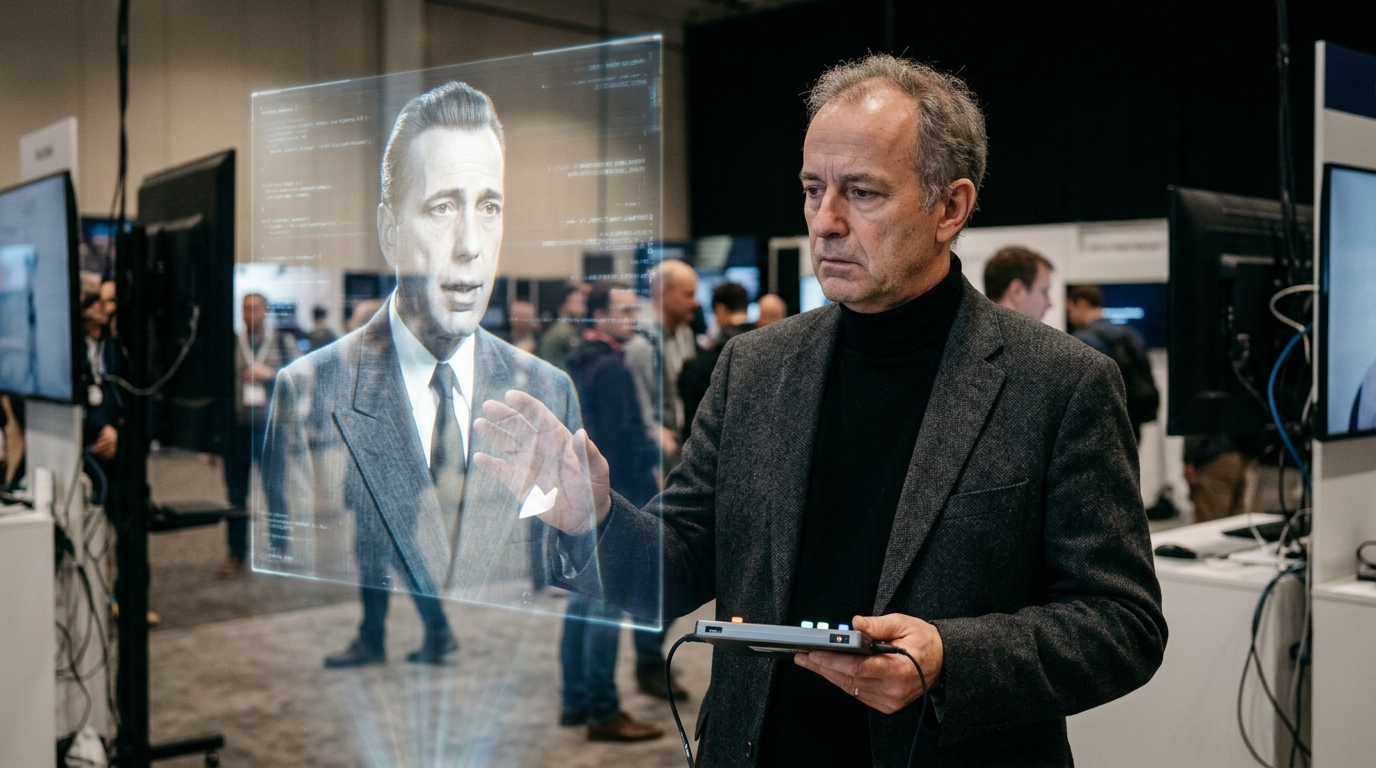
The financial valuation of deceased icons has reached unprecedented heights. Intellectual property firms are acquiring estates for billions, viewing them as perpetual assets. In the past, posthumous earnings were limited to royalties from existing works or static likenesses on merchandise. Today, AI allows for the creation of entirely new content. We are seeing AI-generated performances where a star who passed away decades ago can 'star' in a modern blockbuster or narrate an audiobook, with every vocal inflection and micro-expression reconstructed by neural networks.
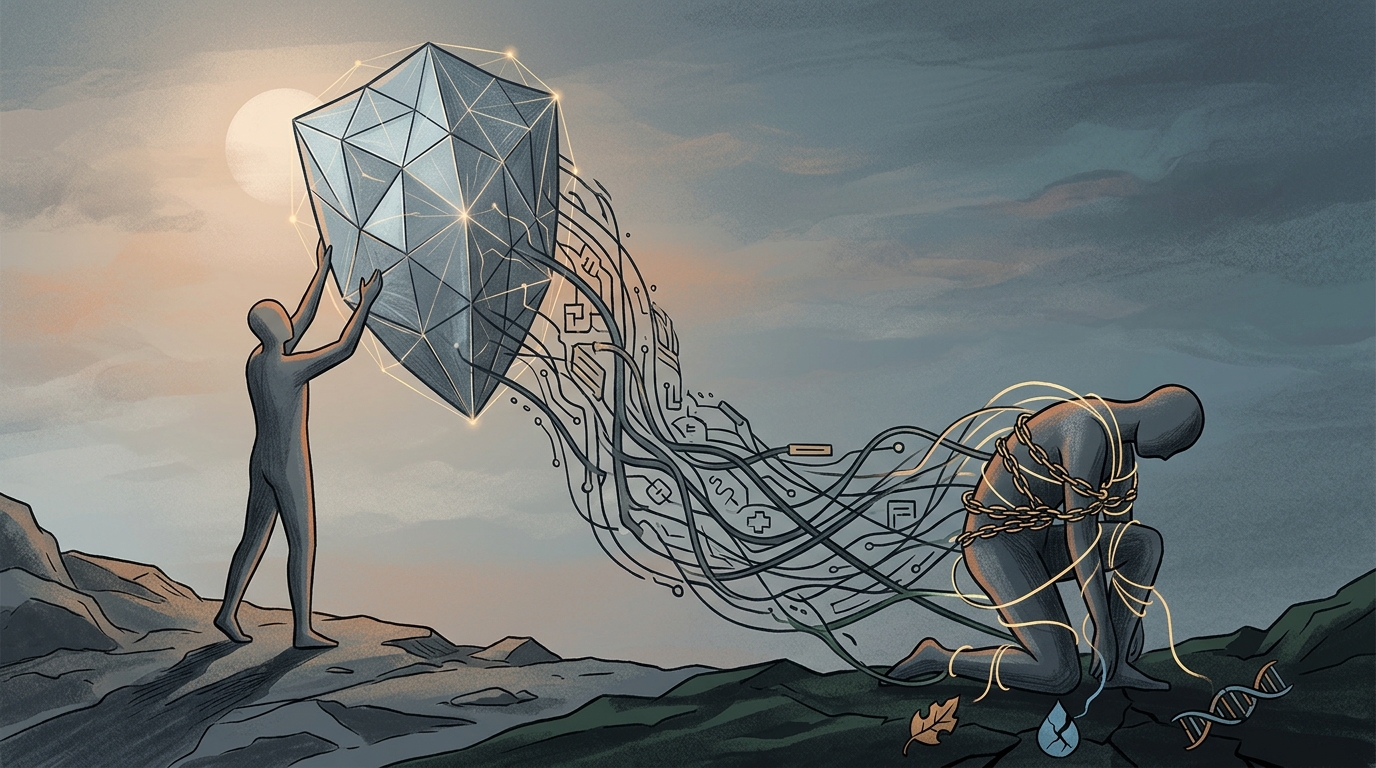
From a business perspective, the appeal is obvious. Dead stars are 'safe.' They don't age, they don't demand contract renegotiations, and they are immune to the scandals that often plague living influencers. For major brands, a digital Audrey Hepburn provides a level of curated perfection and nostalgic prestige that is hard to replicate with living talent. However, this convenience masks a deeper ethical crisis: the commodification of the human soul long after its owner has departed.
Legislation in the Age of Digital Replicas
The legal landscape is currently a battlefield. The proposed 'NO FAKES Act' in the United States represents a significant attempt to establish federal protections against unauthorized digital replicas. Yet, the law struggles with the concept of post-mortem rights. While some states like California have robust 'right of publicity' laws that extend after death, others offer little protection, leaving legacies vulnerable to exploitation.
"We are entering an era where your digital twin could be the most valuable thing you own, and you might not even be alive to manage it," says a leading intellectual property attorney.
The question of consent is paramount. Many stars of the golden age could never have envisioned a world where their likeness could be manipulated by algorithms. While some, like Robin Williams, took proactive legal steps to protect their image for a set period after death, most estates are left to make these ethical calls. The risk is that the financial incentives provided by AI tech companies will outweigh the artistic integrity or personal wishes of the deceased, leading to a future where our cultural icons are puppets of corporate interests.
Cultural Stagnation and the Displacement of the Living
Perhaps the most profound impact of this trend is on the future of creativity itself. If Hollywood can perpetually recast its most beloved (and now digital) legends, what happens to the next generation of actors? The industry's reliance on 'zombie stars' threatens to stifle new talent, creating a cultural loop where we are forever consuming the past. This 'synthetic nostalgia' might offer comfort, but it lacks the unpredictability and growth that define human art.
Furthermore, there is the 'uncanny valley' of the soul. Can an AI truly capture the essence of a performance, or are we just looking at a sophisticated mask? As we move further into 2026, the distinction between a living performance and a digital simulation will continue to blur. The challenge for society will be to decide if we value the convenience of eternal icons over the messy, evolving, and ultimately mortal nature of human creativity. The dead may be worth more than ever, but at what cost to the living?