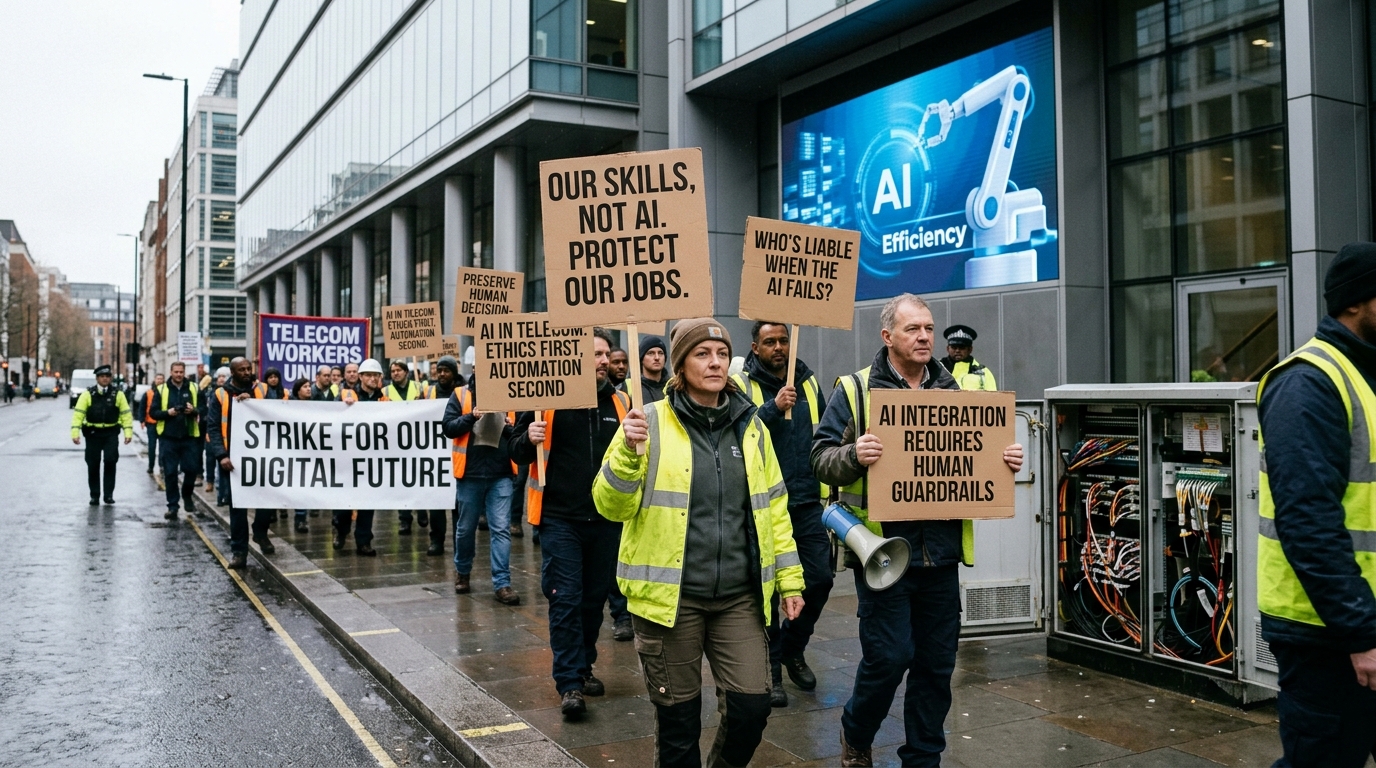
The rapid expansion of Artificial Intelligence (AI) is no longer a futuristic scenario; it is a daily reality fundamentally transforming the telecommunications sector. However, this technological "revolution" is not being met with universal enthusiasm. According to recent reports and the mobilization of unions like Unifor in Canada, telecom workers are raising their voices, urgently demanding restrictions and "guardrails" on the use of AI by major providers.
The Threat of Algorithmic Displacement
The primary argument of the workers is not a blind rejection of technology, but a fear of complete alienation and mass unemployment. AI is already being used to automate customer service through advanced chatbots, optimize networks, and predict maintenance issues. While for companies this translates to reduced operating costs and increased efficiency, for the average worker, it means their job security is under constant threat.
Workers argue that AI does not just replace tasks; it degrades the quality of the service provided. The "human touch," especially in critical technical support or complaint issues, is something no algorithm can fully replicate. The push for restrictions is about ensuring that AI functions as a supportive tool rather than a total replacement for human labor.
Transparency and the Ethics of Management
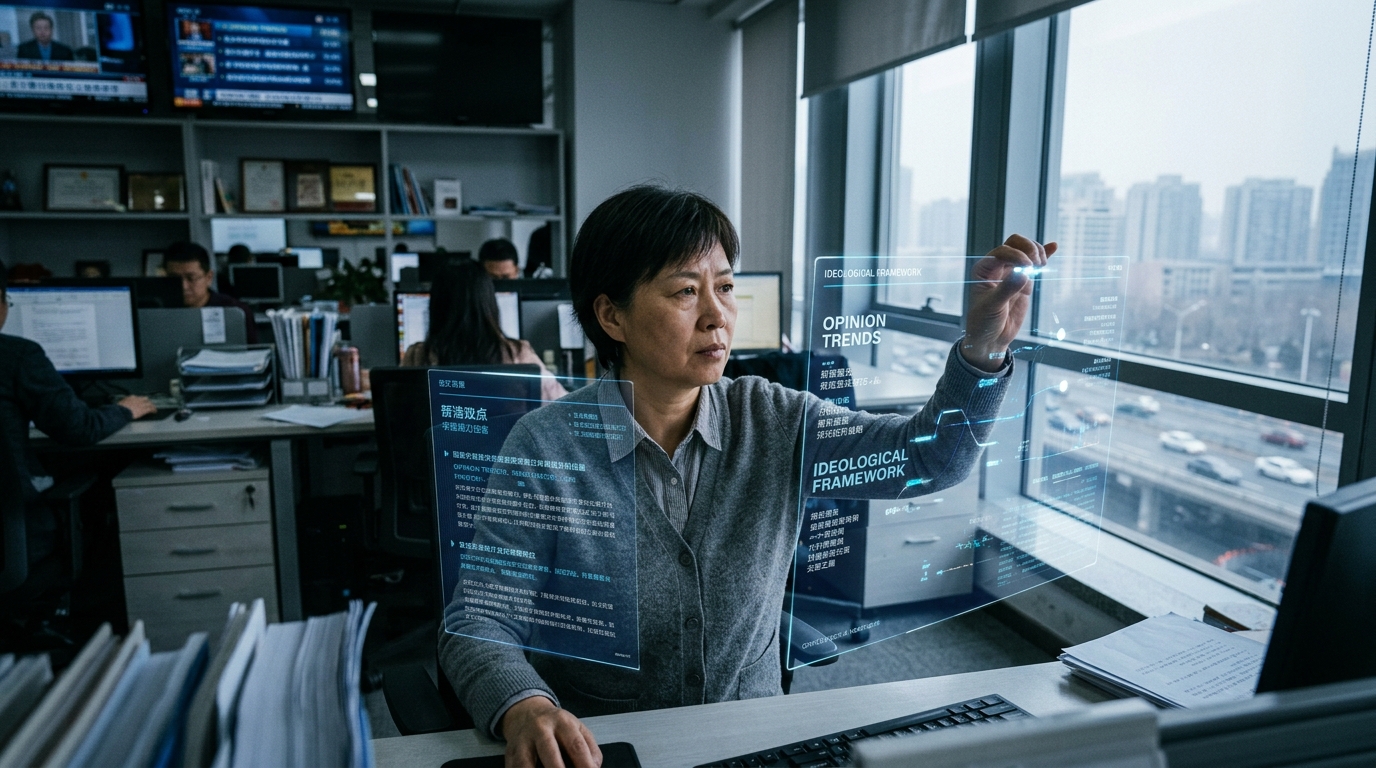
One of the most thorny issues raised by unions is "algorithmic management." This involves the use of AI systems to monitor worker performance in real-time, making decisions on shifts, evaluations, and even terminations without any human intervention. Telecom workers are demanding full transparency in how these algorithms are trained and insisting on the right to human oversight.
"We cannot allow a piece of code to decide the survival of our families without any accountability," worker representatives state.
Concerns also extend to personal data. Workers fear that constant surveillance via AI tools creates an environment of "digital panopticism," where every movement, every pause, and every conversation is analyzed by machines to identify "inefficiencies." This leads to heightened levels of stress and professional burnout.
The Political Dimension and the Future of Work
This conflict is not limited to the narrow confines of telecommunications. It is the precursor to a broader social upheaval that we will see across many industries. Governments are now being called upon to act as arbiters. In Canada, the debate over Bill C-27 (the Artificial Intelligence and Data Act) is at the forefront, with workers pushing for the inclusion of labor protections that are currently missing.
In Europe, the AI Act sets some foundations, but workers feel that regulations lag behind the speed at which corporations are adopting new technologies. The demand is clear: technological progress must be accompanied by social justice. If AI is to generate massive wealth for telecom companies, a portion of that wealth must be invested in retraining staff and ensuring decent working conditions.
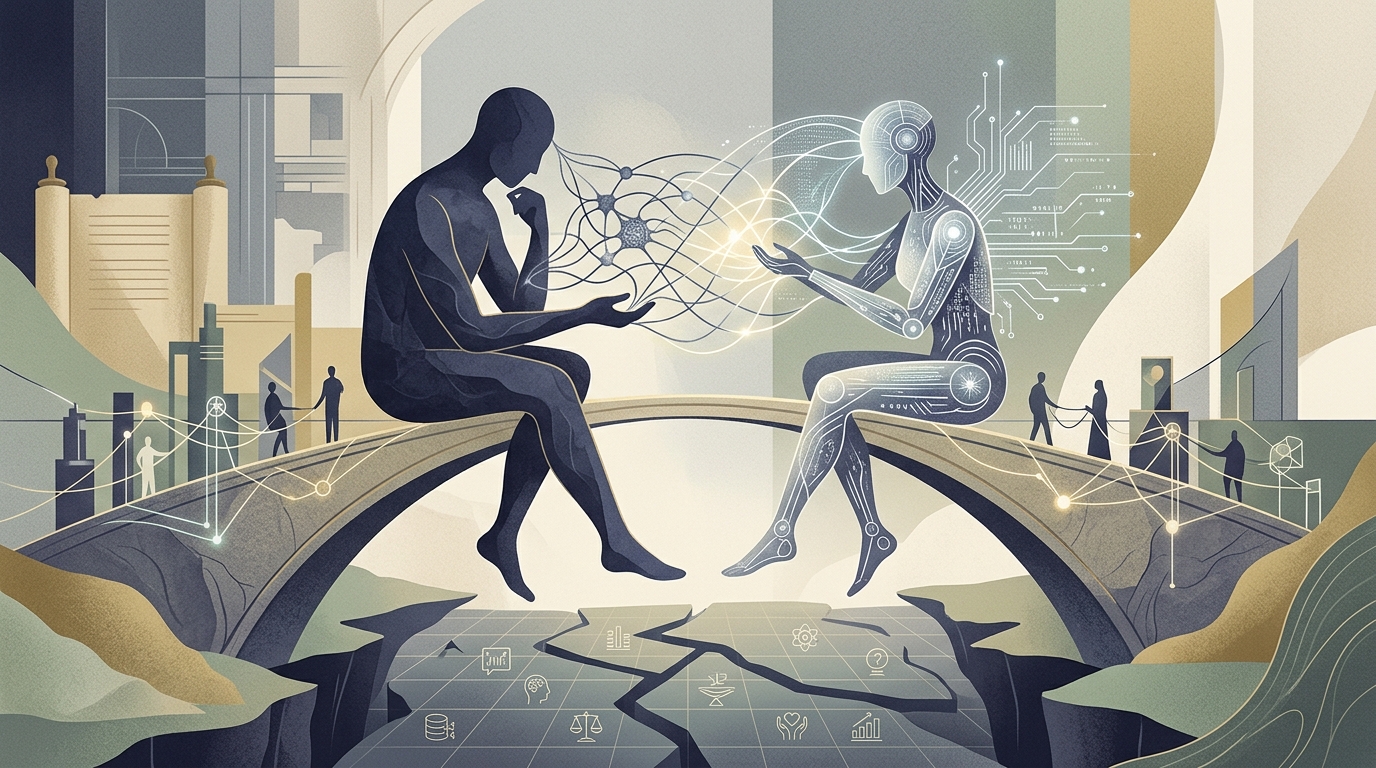
In conclusion, the struggle of telecom workers is a battle for the definition of work in the 21st century. It is not a battle against machines, but a battle over who controls the machines and for what purpose they are used. The outcome of this confrontation will determine whether AI will be a tool for liberation or a mechanism for further exploitation.