Taylor Swift is no longer just the world’s biggest pop star; she has become, against her will, the most potent weapon in the arsenal of digital scammers. According to a disturbing new report from AI detection firm Copyleaks, TikTok has been inundated with advertisements using artificial intelligence to clone the voices and likenesses of celebrities including Swift, Rihanna, and Drake, to promote dubious services and outright fraud.
This phenomenon is not entirely new, but its scale and sophistication have reached levels that threaten the fundamental trust users place in digital platforms. Scammers are repurposing footage from actual interviews, red carpet appearances, or podcasts, and using lip-syncing and voice-cloning tools to make stars appear as if they are endorsing free giveaways, investment schemes, or suspicious beauty products. The ease with which this content is now produced has created a scamming "industry" that moves far faster than TikTok’s moderation mechanisms.
The Anatomy of a Digital Trap
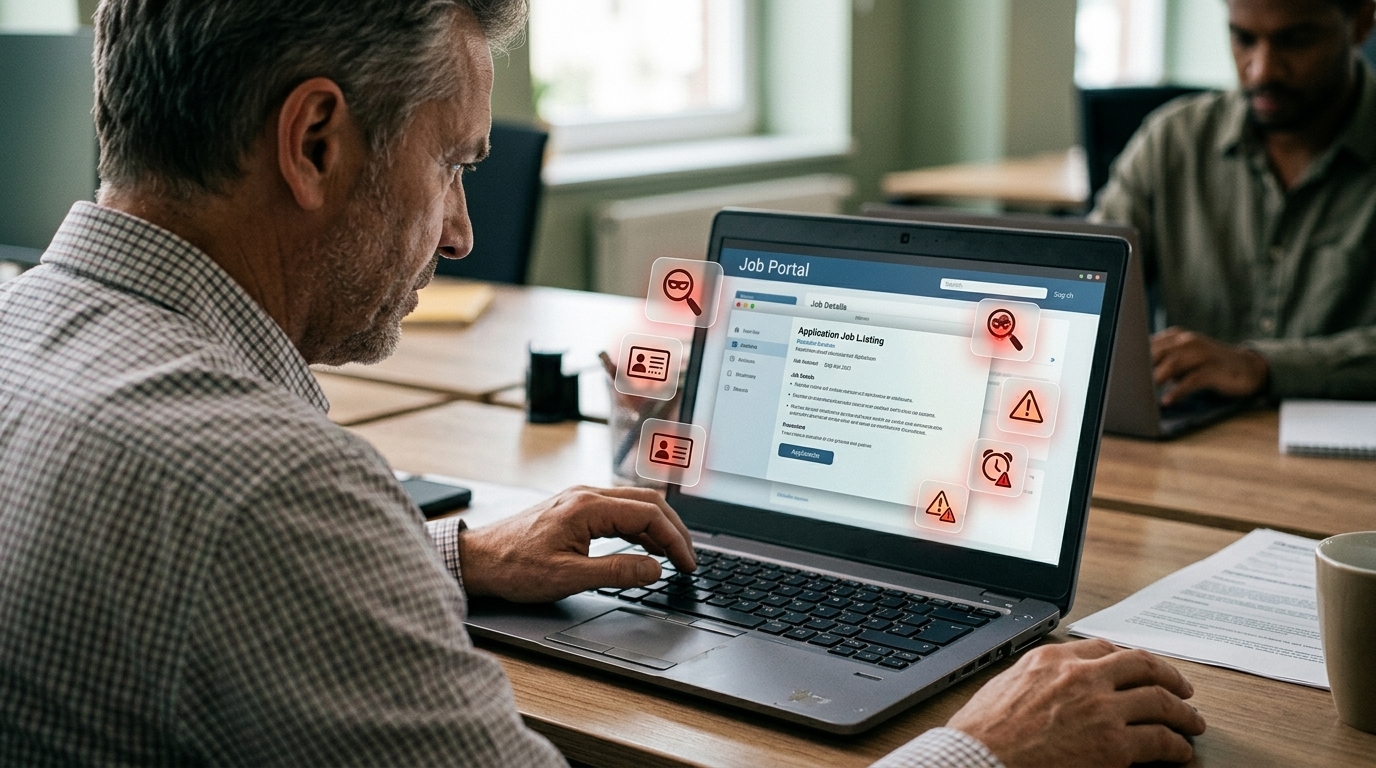
The Copyleaks study highlights that these ads are exceptionally convincing. In many cases, AI is used to alter only the lip movements and audio, keeping the rest of the celebrity’s body and environment authentic. This creates an illusion of truth that is difficult for the human eye to detect, especially during the rapid-fire scrolling typical of the app.
“We are seeing an explosion of content where celebrity acts as a Trojan horse,” researchers noted. Users, due to the parasocial relationships they have developed with their idols, tend to lower their defenses. When "Taylor Swift" tells you that you can win a Le Creuset cookware set just by paying shipping fees, the desire for the gift often overrides logical skepticism. The result is credit card theft and personal data harvesting on a massive scale.
The Oversight Deficit and Platform Responsibility
The central question arising from this crisis concerns TikTok’s role. Although the platform has policies prohibiting deceptive AI-generated content, the report shows that moderation algorithms are failing spectacularly. The fact that these scams appear as "sponsored ads" means that scammers are paying TikTok to promote their illicit content, and the platform is accepting this money without sufficient identity verification or content scrutiny.
Criticism of TikTok is intensifying as the company appears to prioritize ad revenue over user safety. While ByteDance, its parent company, claims to invest billions in safety, the reality on the ground—or rather, in the feed—paints a different picture. The use of watermarking for AI content remains largely voluntary and easily bypassed by those with malicious intent. The "whack-a-mole" approach to moderation is proving inadequate against the automated speed of AI generation.
The Dead Internet Theory and the Erosion of Truth
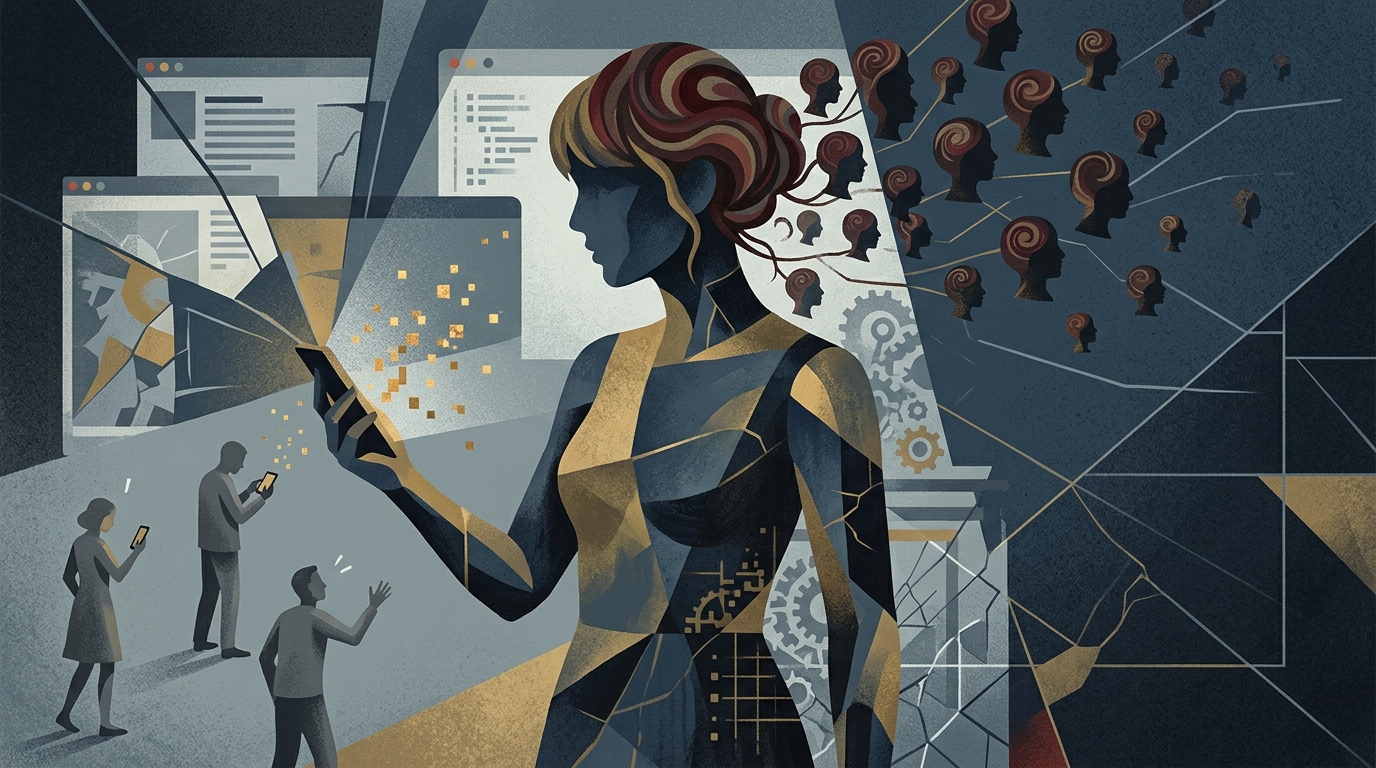
This development breathes new life into the "Dead Internet Theory," which posits that the majority of online content and interaction is now generated by bots and AI, drowning out human creativity. When users can no longer trust the image or voice of a public figure, the very concept of digital truth begins to erode. This isn't just about losing money to a scam; it's about the collapse of a shared reality.
Taylor Swift has become the flashpoint of this battle, not only because of her popularity but also due to her recent experience with non-consensual AI pornography that circulated in early 2024. The legal system's inability to protect a "digital persona" creates a dangerous vacuum. In the US, the proposed NO FAKES Act aims to criminalize the unauthorized use of a person's likeness and voice, but legislation is moving at a snail's pace compared to technological advancement.
Conclusions and Protection
For consumers, the message is clear: critical thinking is the only line of defense. If an offer seems too good to be true, even if endorsed by your favorite artist, it is almost certainly a scam. Digital authenticity is now a rare commodity. As we move deeper into the age of generative AI, the burden of proof is shifting from the creator to the viewer—a shift that requires a radical re-education in how we consume information.
TikTok and other tech giants must step up. Vague statements of intent are no longer enough; rigorous vetting of advertisers and immediate removal of content violating personality rights are required. Without decisive action, the internet risks becoming a vast hall of mirrors where nothing is as it seems, and deception is the rule, not the exception. The cost of inaction is not just financial—it is the death of digital trust itself.