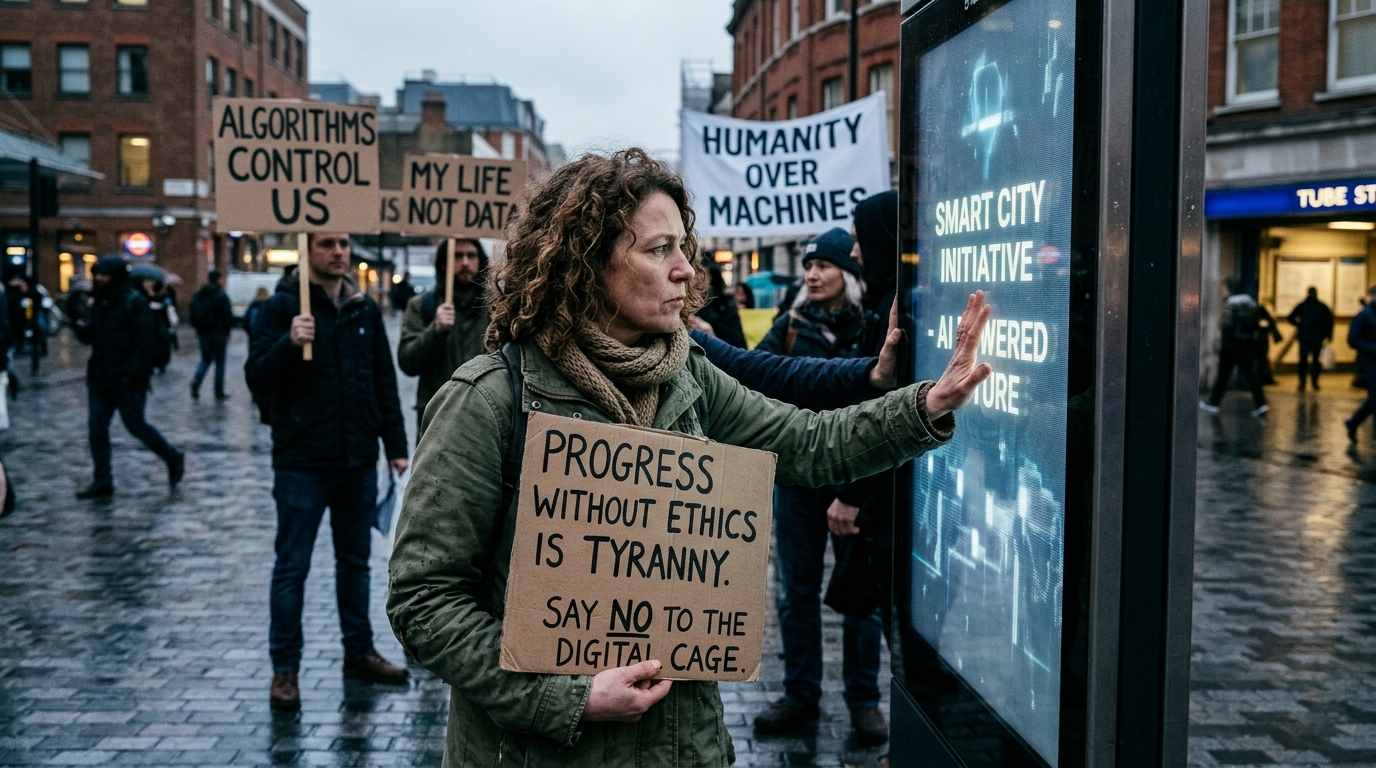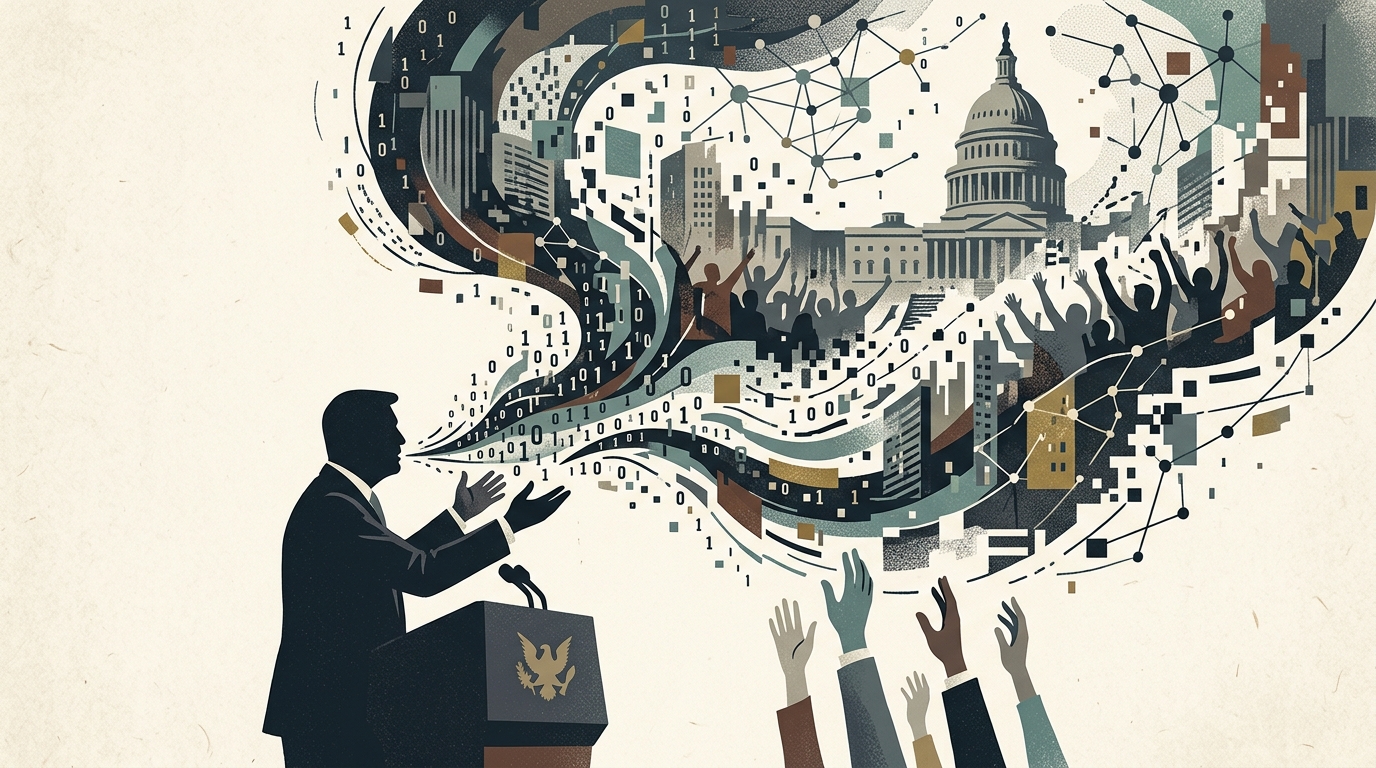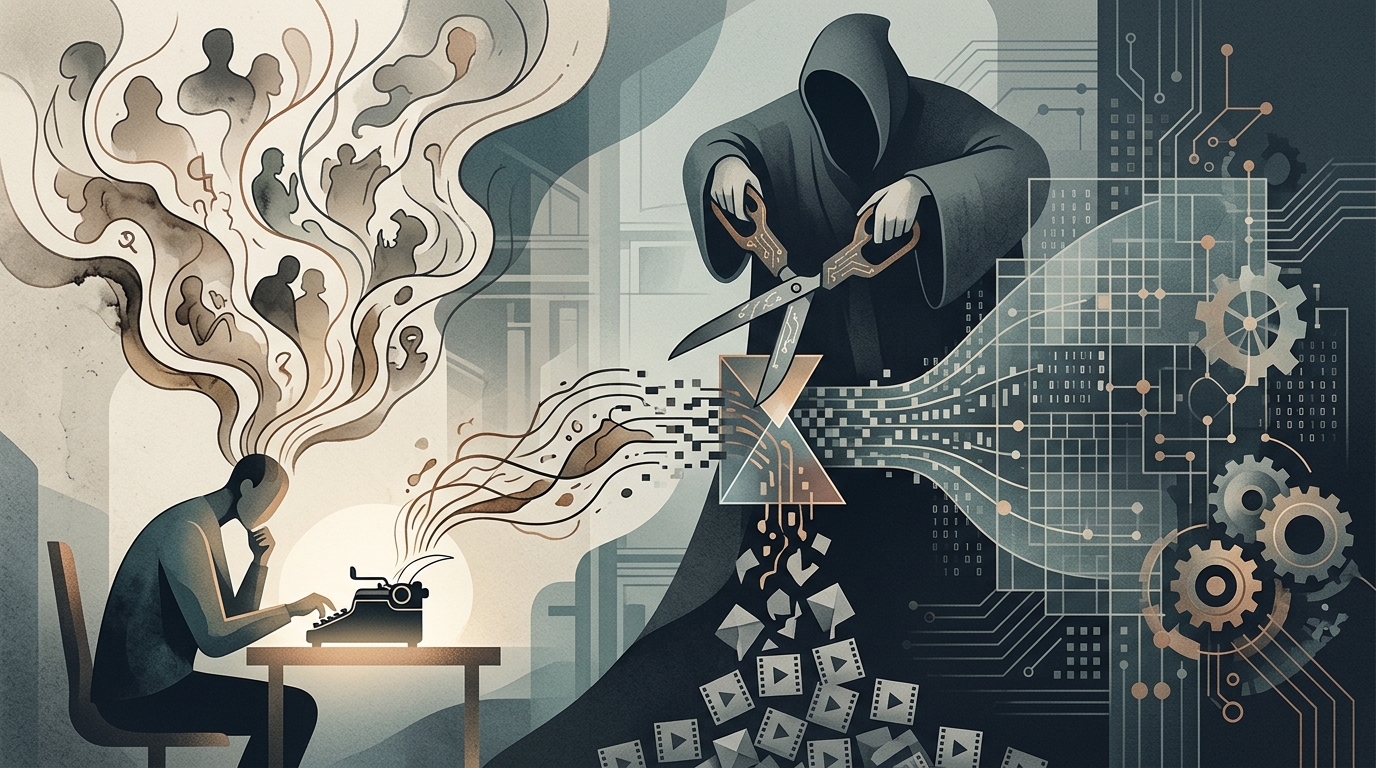
The conversation surrounding Artificial Intelligence (AI) in Hollywood has shifted from theoretical anxiety to a full-blown clash of values. Seth Rogen, one of the most influential creators in modern comedy, recently took a definitive and provocative stance: screenwriters who rely on AI to produce their work shouldn't just be criticized—they should change professions. This statement isn't merely the outburst of a 'technophobic' artist; it is a profound analysis of the ontology of creativity.
The 'Messiness' of Human Experience
According to Rogen, the essence of good writing doesn't lie in structure or correct syntax, but in what he calls 'human messiness.' AI, by its very nature, operates through statistical probabilities. It predicts the next word based on what has been written in the past. This, for Rogen, is the exact opposite of art. Art is the expression of a unique, often irrational, and deeply personal perspective that cannot emerge from an algorithm trained on the average of existing data.
'If you can be replaced by a bot, then perhaps what you're doing isn't art, but mere clerical work,' seems to be the underlying message. Rogen argues that audiences connect with films because they recognize another human's truth within them. When that truth is replaced by a 'mathematical approach' to what might please an audience, the result is sterile and devoid of meaning.
The Political Economy of Creativity
Rogen's intervention comes at a time when Hollywood is still trying to heal the wounds from the major strikes of writers (WGA) and actors (SAG-AFTRA) in 2023. A central demand was protection against AI. However, Rogen takes the argument a step further than labor rights; he focuses on the quality of the cultural product itself.
There is a fear that major studios, in their quest to cut costs and minimize risk, will turn to AI-generated scripts that are 'good enough.' This acceptance of mediocrity is what infuriates the creator of 'Superbad.' For Rogen, using AI in writing is a form of intellectual resignation. If a writer has nothing of their own to say and needs a machine to provide ideas, they have lost touch with the very essence of their craft.
The Trap of the 'Average'
One of the strongest arguments against generative AI in art is its tendency toward homogenization. Large Language Models (LLMs) are trained on billions of pages of text. The output they produce is, by definition, the statistical average of all human knowledge and expression. Art, however, historically progresses through divergence, quirkiness, and the subversion of the expected.
- AI cannot take emotional risks because it has no emotions.
- AI cannot be truly original, as it recycles existing patterns.
- AI lacks the 'context' of life—it doesn't know what it's like to fall in love, to grieve, or to fail.
Rogen warns that if we allow AI to take the reins of storytelling, we will end up in a world filled with content that feels familiar but is entirely lethargic. The challenge for the next generation of creators is to prove that the human signature remains irreplaceable—not through legislation, but through the quality and boldness of the work itself.
Conclusion: Art as an Act of Resistance
Seth Rogen's stance may seem harsh, but it reflects an existential concern for the future of cinema. In a world flooded with automated content, authenticity becomes the most expensive currency. His urge for writers to 'change jobs' if they use AI is a call to return to the roots of storytelling: personal exposure and the risk of failure. Because, ultimately, a film that doesn't risk being bad can never truly be great.