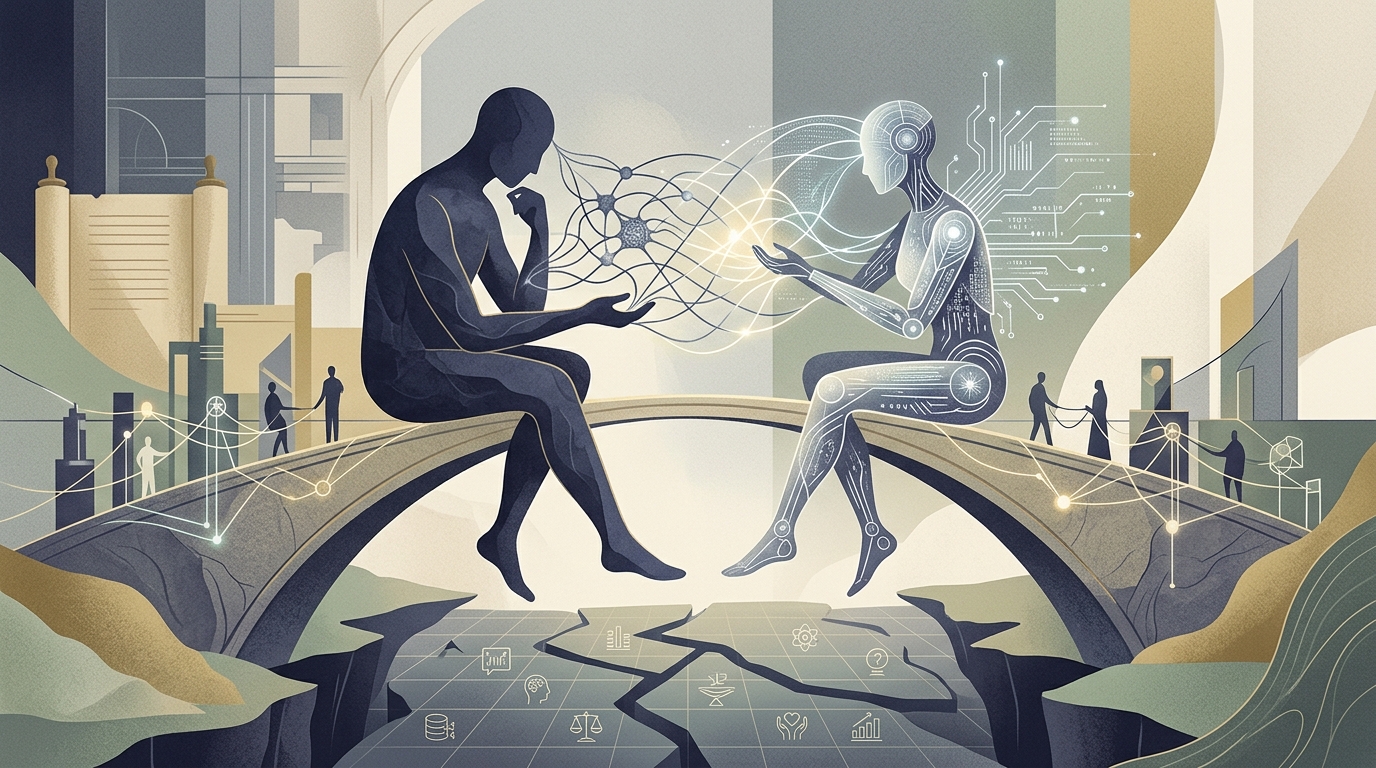
In an era where technology is often perceived as an impersonal force moving independently of societal imperatives, the 34th annual Pride Awards in Charlotte, North Carolina, offers a refreshing counter-narrative. This year’s gala, organized by Pride Magazine—an institution that has spent over three decades celebrating excellence and progress within the African American community—has chosen to honor one of the most distinguished academics in the field of Artificial Intelligence (AI) and cybersecurity: Dr. William "Bill" Chu of the University of North Carolina at Charlotte (UNC Charlotte).
This gesture is far more than a standard recognition of scientific merit; it is a profound political and social statement regarding the future of our digital coexistence. In a world where algorithms increasingly dictate everything from access to credit to job recruitment and policing, the presence of voices that understand the nuances of ethics and inclusion is more critical than ever.
The Legacy of Dr. Bill Chu and AI Ethics
Dr. Bill Chu is not your typical academic. As a professor in the College of Computing and Informatics at UNC Charlotte, he has dedicated his career to demystifying technology and fortifying system security. However, his recognition at the Pride Awards focuses on a broader horizon: the bridge between technical expertise and social empathy. Artificial Intelligence, despite its veneer of objectivity, frequently inherits the biases of its creators or the datasets upon which it is trained.
Dr. Chu has been a pioneer in highlighting these risks. His work emphasizes that if AI is not developed with diversity in mind, it risks becoming a tool for automated marginalization. His recognition by a publication like Pride, which historically focuses on minority empowerment, signals the necessity of a "democratic turn" in technological development. AI ethics is no longer a theoretical issue confined to lecture halls; it is a daily battle for civil rights in the 21st century.
The Importance of Representation in Digital Transformation
Why is it so significant to honor an AI professor at an event traditionally focused on community leadership and social justice? The answer lies in the fact that digital exclusion is the new form of inequality. Pride Magazine, through the 34th Pride Awards, acknowledges that the leaders of tomorrow must be fluent in the languages of code and machine learning models.
- Algorithmic Justice: The urgent need for systems that do not discriminate based on race or socioeconomic background.
- Educational Access: Creating pathways for youth from underrepresented communities into STEM fields.
- Cybersecurity as a Human Right: Protecting the personal data of the most vulnerable social groups.
Honoring Dr. Chu sends a powerful message to young students and professionals: technology is a space where their identity and values belong. It is not just about writing code; it is about shaping the very architecture of our society.
Toward an Inclusive Future
As we move deeper into 2026, the conversation surrounding AI is shifting from "what it can do" to "how it should do it." The Pride Awards ceremony serves as a reminder that innovation without an ethical compass is hollow. Dr. Bill Chu, through his work at UNC Charlotte, has demonstrated that academic excellence can and should go hand-in-hand with social contribution.
"Technology must serve humanity as a whole, not just those who have the luxury of understanding or controlling it," is the underlying message of this year's event.
In a city like Charlotte, which serves as a major financial and technological hub, connecting the academic community with local society through such institutions is exemplary. The Pride Awards do not just celebrate the past; they map the future, placing AI ethics at the very heart of human progress.