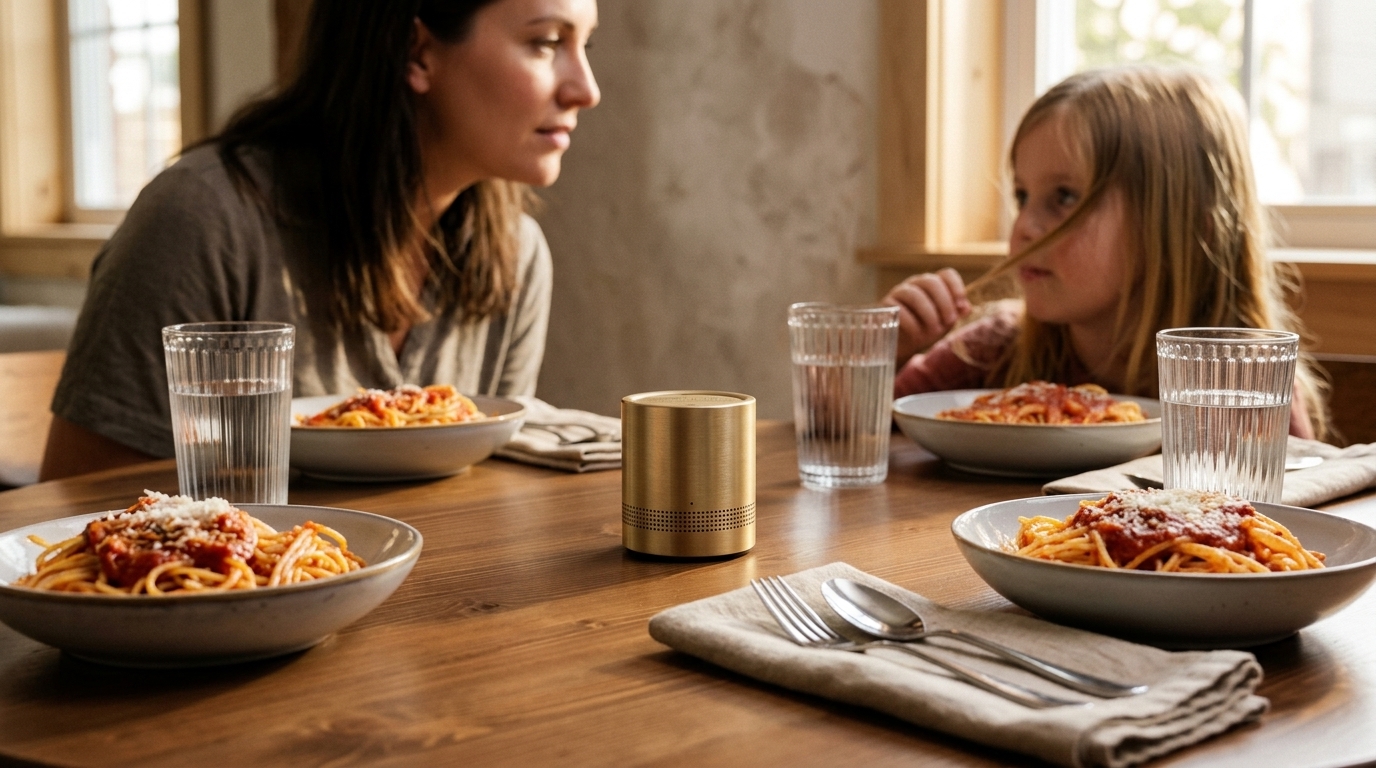
In the hierarchy of family rituals, the dinner table stands as a sovereign space. It is the locus of storytelling, the theater of debate, and the crucible where identity is forged over shared meals. Yet, a new collaboration between the pasta-sauce giant Prego and the nonprofit StoryCorps is introducing a third party to this intimate setting: a recording device designed to capture and archive family conversations. This initiative, part of Prego’s "Capisce" campaign, aims to turn the fleeting nature of dinner talk into a permanent digital legacy, but it also raises profound questions about the sanctity of the private sphere.
The Intersection of Nostalgia and Surveillance
The premise of the device is rooted in the mission of StoryCorps, an organization renowned for preserving the human experience through oral history. By providing a physical device—stylized to echo the iconic Prego jar—the partnership encourages families to record their anecdotes and wisdom for future generations. For StoryCorps, it is an expansion of their archival reach; for Prego, it is a sophisticated branding exercise designed to position the label at the very heart of family connectivity.
However, the introduction of a dedicated recording device into the home cannot be viewed in a vacuum. We live in an era defined by surveillance capitalism, where our voices and habits are increasingly treated as data points. While the Prego device is marketed as a tool for emotional preservation, it also serves as a cultural lubricant, normalizing the presence of microphones in spaces that were once considered off-limits. The question is no longer just "what are we recording?" but "why do we feel the need to record everything?"
The Ethical Quandary of the Recorded Table
The primary ethical concern revolves around the concept of the "observer effect." In physics and social sciences, the act of observing a phenomenon inevitably changes it. When a family knows a recording device is active, the natural flow of conversation is altered. The raw, unfiltered, and sometimes messy reality of family life may be replaced by a performative version of itself. The authenticity that Prego claims to celebrate is, ironically, endangered by the very tool meant to capture it.
Furthermore, there is the issue of data sovereignty and the commercialization of memory. Even with assurances that recordings are private and destined for the StoryCorps archive at the Library of Congress, the involvement of a major corporation like Campbell Soup Company creates an uneasy alliance. It transforms the family dinner from a private ritual into a co-branded event. In this new paradigm, our most personal stories become part of a corporate ecosystem, blurring the lines between genuine human connection and strategic marketing.
"Memory is a fragile, living thing. When we outsource its preservation to a corporate-sponsored device, we risk turning our heritage into a product," says a leading digital ethicist.
Sociological Implications: The End of Forgetting?
Sociologically, the Prego device represents a shift in how we handle the passage of time. Historically, oral traditions relied on the fallibility of human memory. Stories were told, forgotten, and retold, evolving with each generation. This process allowed families to curate their own myths. Digital permanence, however, eliminates this evolution. A recording of a dinner from 2024 will remain exactly the same in 2074, stripping away the interpretive layer that makes family lore so resonant.
There is also the matter of "intimacy mining." Brands are no longer content with selling us ingredients; they want to own the moments those ingredients facilitate. By inserting a recording device into the dinner ritual, Prego is attempting to achieve a level of brand loyalty that is nearly impossible to break. It’s not just about the sauce anymore; it’s about the fact that Prego "saved" your grandfather’s voice. This emotional leverage is a powerful, and potentially manipulative, tool in the modern marketing arsenal.
Conclusion: Preserving the Moment or Invading the Home?
The collaboration between Prego and StoryCorps is a fascinating case study in the modern condition. It taps into a deep-seated fear of loss—the loss of our loved ones' voices and the stories that define us. Yet, it offers a solution that requires us to sacrifice a piece of our privacy and the spontaneity of our private lives. As we move further into an age where every word can be recorded and every moment archived, we must ask ourselves if the cost of total recall is too high. Perhaps the beauty of a family dinner lies in its transience—the fact that it exists only for those present, in that specific moment, around that specific table, without the need for a digital witness.